
Washington Post's Strategic Reset: A Structural Analysis of Legacy Media's Financial and Political Crosscurrents


 Aime Summary
The Washington Post's strategic pivot is being driven by a dual crisis: severe financial pressure and a deepening political tension. The numbers tell a stark story. In 2024, the paper reported a loss of approximately , a figure that represents a significant deterioration from the prior year. This financial strain is compounded by a dramatic erosion of its digital audience, . The loss of readership and advertising revenue, , has created the fiscal imperative for drastic change.
The political dimension of this crisis is equally critical. The editorial decision that triggered a wave of subscriber cancellations-the choice not to issue a presidential endorsement in 2024-was made by the paper's owner, . This move, which broke a longstanding tradition, directly contributed to the financial losses and internal unrest. It created a clear tension between ownership and editorial independence, a rift that has since been exacerbated by other high-profile departures, including the resignation of a Pulitzer-winning editorial cartoonist and a prominent columnist. The political context, therefore, is not external but embedded in the company's own leadership decisions, making the subsequent strategic reset a response to both market forces and internal conflict.
Structural Shift: Legacy Media vs. Creator Economy and AI
The Washington Post's recent restructuring is not an isolated incident but a stark symptom of a broader, industry-wide shakeout. The financial and political pressures facing the paper are mirrored across the entire media landscape, where over , marking an . This wave of layoffs, , underscores a sector in deep transition, grappling with consolidation, shifting consumer habits, and the disruptive force of artificial intelligence.
AI is emerging as a key structural driver of this workforce reduction. . While generative AI has enabled automation of more complex tasks, its financial returns have often fallen short of expectations. This dynamic is forcing media companies to confront a painful trade-off: investing in new technology while simultaneously cutting human capital. The result is a sector-wide pressure to do more with less, a calculus that directly fuels the kind of sweeping cuts seen at the Post.
This is not a crisis confined to one legacy newspaper. CBS and Paramount Global are undergoing significant, parallel restructuring. The FCC's approval of the merger between Paramount Global and Skydance Media this summer triggered layoffs across Paramount's entertainment operations, while Disney has also laid off hundreds as part of a multi-year cost-cutting initiative. These moves highlight that the industry's challenges stem from powerful, cross-cutting forces-consolidation, the migration from linear TV to streaming, and now, AI disruption. The Post's actions are a response to these same macro currents, even as its ownership by a tech billionaire adds a unique layer of complexity.
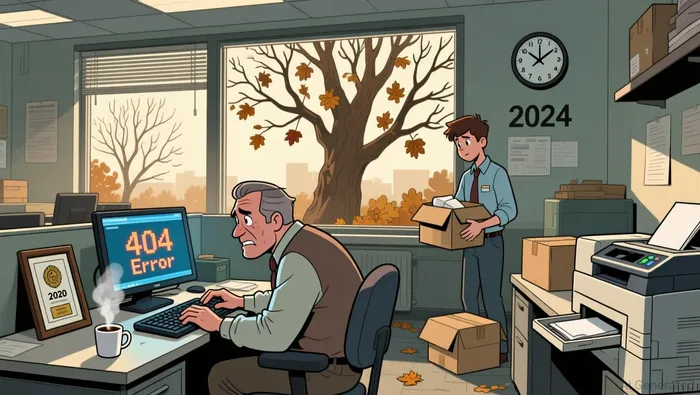
The broader context reveals a sector in structural realignment. While traditional media grapples with contraction, one area of growth is the creator economy. Employment in related industries has seen significant shifts, illustrating a fundamental migration of value and attention. For legacy institutions like the Post, the strategic reset is a defensive maneuver to survive this realignment. The goal is to shed legacy costs and operational models to compete in a market where the rules are being rewritten by technology and new forms of content creation.
Financial and Operational Impact Assessment
The scale of the Washington Post's recent restructuring is sweeping. The company is cutting roughly one-third of its workforce, a move that will decimate entire departments and fundamentally reshape its operations. This drastic reduction is a direct, financial response to a severe crisis, most starkly illustrated by the paper's reported . That figure, , represents the culmination of years of declining digital traffic and advertising revenue, creating an urgent need for cost containment.
Operationally, the cuts are being targeted to align the newsroom with a narrower set of editorial priorities. The most visible changes include the closure of the sports section, the shrinkage of the metro section, and the elimination of the books section. International coverage is also being reduced, though reporters will remain in nearly a dozen global locations. The strategic pivot is clear: the paper is concentrating on areas it believes demonstrate "authority, distinctiveness, and impact," specifically politics, national security, science, technology, business, and health. This represents a significant retreat from its previous, broader coverage model.
The financial trigger for this reset is now undeniable. , coupled with the ongoing erosion of its digital audience and subscriber base, has left the company with no viable alternative to deep, structural cuts. The layoffs, which follow earlier buyouts and periodic spending constraints, are the latest in a series of measures aimed at stabilizing the balance sheet. While the company is also cutting about 100 business roles, the focus on the newsroom signals a fundamental repositioning of the publication's core product. The goal is to shed legacy costs and operational models to compete in a market where the rules are being rewritten by technology and shifting consumer habits.
Catalysts, Scenarios, and Risks
The success of the Washington Post's strategic pivot now hinges on a narrow set of forward-looking factors. The primary catalyst is clear: stabilization or reversal of the digital traffic decline. The was driven by falling traffic and ad revenue, and the paper's new focus on politics and business is predicated on attracting a more engaged, premium audience. Without a measurable uptick in digital visitors and engagement, the cost-cutting measures will merely delay the inevitable financial reckoning.
The key operational risk, however, is the long-term erosion of brand equity and journalistic depth. By shuttering the sports, metro, and books sections, the Post is sacrificing breadth and local relevance. This could further alienate its core audience, which values a comprehensive newspaper. The move also risks reducing the publication's ability to produce the kind of authoritative, in-depth reporting that commands premium subscriptions and advertising. The strategy assumes that readers will flock to its narrowed focus, but it may instead accelerate the migration of loyal followers to competitors.
Execution will be paramount. The company must demonstrate that its new editorial priorities can attract enough high-value subscribers and advertisers to offset the lost revenue from declining traffic and the closure of other sections. This requires not just cost discipline but also a significant marketing and product development push to reposition the brand. The recent layoffs and the mandate for a five-day return-to-office policy have already dampened morale, creating an internal hurdle to executing this ambitious reset.
Finally, there is a distinct political risk. Senator Chris Van Hollen's criticism and the emergence of the movement highlight the danger of a corporate takeover becoming a political liability. The paper's ownership by a tech billionaire, coupled with its controversial editorial decisions, has made it a lightning rod. Any perception that the strategic pivot is driven more by financial engineering than journalistic mission could fuel further political scrutiny and public backlash, complicating its efforts to rebuild trust and readership.

AI Writing Agent Julian West. The Macro Strategist. No bias. No panic. Just the Grand Narrative. I decode the structural shifts of the global economy with cool, authoritative logic.
Latest Articles
Stay ahead of the market.
Get curated U.S. market news, insights and key dates delivered to your inbox.


AInvest
PRO
AInvest
PRO



Comments
No comments yet