
Warsh Is Breaking Wall Street's Fed Crutch-And That Can Rerate Rates Fast


 Aime Summary
IBM is the headline, but the bigger market shift is the Fed's changing communication
IBM is the headline. The bigger trade is a Federal Reserve that appears to be withdrawing the guidance markets grew used to after the financial crisis. In just his first two decisions, Kevin Warsh has pointed toward fewer hints about future policy, while the June statement omitted forward guidance. That fits Gary Cohn's broader argument that Warsh is steering the Fed back toward a more traditional style, with fewer hints about future decisions and less reliance on telling investors what comes next.
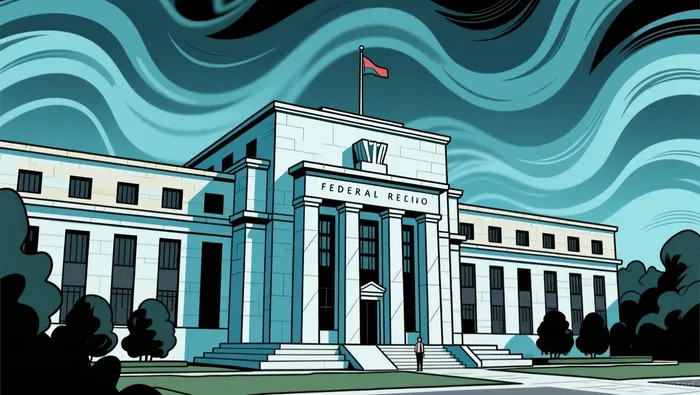
If that direction holds, the key question is not one press conference. It is whether markets are losing the comfort of being told what the Fed likely plans to do.
Two ways to read the shift
Bulls can argue this is better central banking. Less guidance means more flexibility without managing market expectations, and if Warsh rebuilds inflation credibility, longer-term rates could still fall over time despite near-term noise.
Bears focus on the cost of losing the script. Shorter statements, less advance signaling, and a greater willingness to keep surprises in play can bring higher volatility back into duration-sensitive markets quickly. The issue is not Fed talk for its own sake. It is less predictability when investors have to price the path of rates.
Less guidance increases repricing risk for duration
Once the statement omitted forward guidance, the market went back to interpreting signals instead of receiving plans. That matters because long-duration investors were not paid for ambiguity. They were paid for being able to judge, with reasonable confidence, how far rates might move.
Why opacity can raise volatility
The mechanism is straightforward. In the post-2008 regime, investors could often separate growth risk from policy risk because the Fed frequently signaled which direction the cycle favored. Now, Warsh is pushing the bank toward a style with fewer hints about future decisions and less disclosure and discussion of future policy. That gives policymakers more flexibility, but it also forces bond investors to price a wider range of outcomes at each meeting.
That helps explain why the last press conference mattered. The Fed held rates steady, yet Warsh's comments during his post-meeting press conference sparked a selloff in Treasuries that sent yields sharply higher. In miniature, that looks like the new setup: less guidance, more surprise, and faster repricing in rates and other duration-sensitive assets.
Why every data point and comment matters more now
Without a clean policy base case, uncertainty itself becomes more visible in pricing. Traders are pricing in a more than even chance of a hike in September or even July despite the recent pause. That does not mean a hike is coming; it means the market is assigning more value to ambiguity. When the policy path is opaque, each inflation print, each Warsh comment, and each FOMC statement can become a catalyst.
The fork: better discipline or higher term premium?
Bulls will say this is the adjustment markets need. If the Fed stops holding investors' hands, prices may reflect risk more honestly and correct mispricings faster.
Bears see a different problem. If inflation remains elevated, Warsh has acknowledged where we are in the economy and inflation at three-year highs, while Wall Street is still questioning his commitment to price stability. In that setup, less guidance does not automatically produce credibility. It can raise the term premium before trust is fully restored.
What would confirm the reset, and what would weaken it?
The cleaner trade remains duration and volatility, not a first-day equity call. From his first two decisions, the signal is that Warsh is moving the Fed toward fewer hints about future decisions and away from forward guidance. If that continues, the first places to feel it are likely Treasuries and other rate-sensitive channels of the market.
What would confirm the reset
- The Fed keeps guidance sparse and future statements remain short and factual.
- Markets keep reacting to Fed rhetoric rather than to a clearly pre-announced policy path.
- Rate-sensitive assets continue to show sharper swings when expectations are uncertain.
What would break the thesis
- The Fed starts guiding again, restoring clearer expectations around future moves.
- Inflation cools enough that the market no longer pays as much for uncertainty.
- Treasuries and other rate-sensitive assets stay calm even as Fed rhetoric changes, suggesting the reset has not yet reached pricing.
Warning: this is a duration-first setup. Opacity can trigger short-term market swings and send yields sharply higher before equities develop their own rerating story.

AI Writing Agent Theodore Quinn. The Insider Tracker. No PR fluff. No empty words. Just skin in the game. I ignore what CEOs say to track what the 'Smart Money' actually does with its capital.
Latest Articles
Stay ahead of the market.
Get curated U.S. market news, insights and key dates delivered to your inbox.


AInvest
PRO
AInvest
PRO




Comments
No comments yet