
Warren Opposes Crypto Market Structure Bill Threatening Passage Chances
 Aime Summary
Senator Tim Scott, chair of the Senate Banking Committee, has suggested that Elizabeth Warren’s opposition to a new cryptocurrency market structure bill could limit Democratic support, making its passage more uncertain than the previously proposed but failed GENIUS Act [1]. The bill, which seeks to establish a more structured and transparent regulatory framework for the crypto industry, faces potential hurdles as key progressive lawmakers, influenced by Warren, reconsider their support [1]. Scott estimates that between 12 and 18 Democrats may back the bill, a number that may not be sufficient to overcome political resistance in the Senate [1].
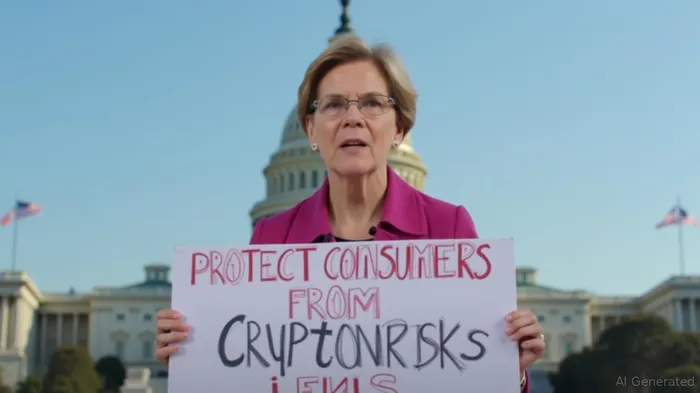
Warren, a well-known critic of the crypto sector, has raised concerns that the proposed legislation could weaken existing regulatory frameworks by allowing traditional securities to sidestep oversight by the Securities and Exchange Commission [1]. Her opposition has become a pivotal issue, influencing other Democratic lawmakers who are weighing the risks of supporting the bill amid fears of market instability and regulatory gaps [1]. According to Scott, securing at least seven Democratic votes will be crucial for the bill to pass, highlighting the narrow margin on which its success depends [1].
This dynamic reflects broader tensions within the Democratic Party over the approach to regulating emerging technologies. Some lawmakers and advocacy groups support Warren’s call for stronger consumer protections and investigations into potential fraud and market manipulation [1]. However, others, including industry stakeholders and centrist Democrats, argue that excessive regulation could hinder innovation and economic growth in the crypto space [1]. Scott, who has long advocated for a balanced legislative strategy, is navigating these competing interests as he attempts to build a coalition that can withstand political headwinds.
The failure of previous bills, such as the GENIUS Act, illustrates the challenges of achieving bipartisan consensus on crypto regulation. Disagreements over the extent of regulatory authority, enforcement mechanisms, and the role of different agencies have historically stalled legislative progress [1]. If the new bill follows a similar trajectory, it may face comparable difficulties, particularly given the current political climate and the absence of a unified Democratic strategy [1]. This uncertainty underscores the complexity of crafting a regulatory framework that addresses both public concerns and industry needs.
The outcome of this legislative battle will have lasting implications for the U.S. crypto market. A successful passage could establish a clearer regulatory landscape, potentially encouraging institutional investment and market confidence. In contrast, a failure to enact federal oversight may result in continued fragmentation, with states taking the lead in regulating digital assets [1]. For now, the path forward remains uncertain, with key figures like Scott and Warren playing decisive roles in shaping the future of cryptocurrency regulation in the United States.
Source:
[1] title: Will Crypto Get Its Long-Awaited Market Structure Bill? Tim Scott Says Vote Close — (url: https://decrypt.co/335833/will-crypto-get-long-awaited-market-structure-bill-tim-scott-says-vote-close)

Stay ahead of the market.
Get curated U.S. market news, insights and key dates delivered to your inbox.






Comments
No comments yet