
Warren Buffett's Berkshire Hathaway: The Multi-Decade Growth Machine
For 60 years, Warren Buffett has been the guiding force behind Berkshire HathawayBRK.B-- (BRK.A), turning it from a struggling textile mill into one of the world’s most valuable conglomerates. The question investors naturally ask is: What kind of returns have Buffett’s decisions delivered over this extraordinary tenure? The answer is staggering—and a masterclass in the power of compounding, discipline, and long-term thinking.
The Numbers Don’t Lie
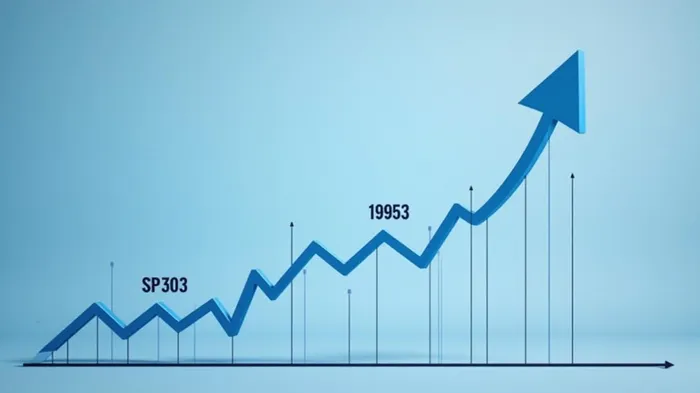
Let’s start with the raw data. In 1965, when Buffett took control of Berkshire, the company’s book value per share was $19. By the end of 2023, that figure had soared to $506,805—a mind-boggling 2,667-fold increase. Compare that to the S&P 500, which grew roughly 100-fold over the same period. Put another way: $10,000 invested in Berkshire in 1965 would now be worth approximately $26.7 million, versus $1.1 million in the S&P 500.
This outperformance isn’t a fluke. Buffett’s approach—buying undervalued companies with durable competitive advantages (“moats”), holding them for decades, and reinvesting profits—has systematically beaten the market. Even during periods of volatility, Berkshire’s compounding machine kept chugging.
The Engine of Success: Key Strategies
Buffett’s results stem from a handful of principles:
1. Value Investing: Buffett famously sought companies trading below their intrinsic value. Early bets like See’s Candies and Geico exemplified this—both were acquired at discounts and grew into cash machines.
2. Concentrated Portfolios: Unlike diversified index funds, Berkshire often stakes large bets in a few companies. For instance, its $28 billion stake in Apple (AAPL) since 2016 has become one of its top holdings, reflecting Buffett’s rare foray into tech.
3. Avoiding Speculation: Buffett’s aversion to short-term trading and his focus on businesses he understands kept Berkshire insulated from fads like crypto or meme stocks.
The Role of Compounding
Compounding is the secret sauce here. A 20% annual return—the average Buffett has achieved over decades—turns small sums into fortunes. For example, at 20%, $10,000 grows to $26.7 million over 60 years. The S&P’s roughly 10% average return would yield just $1.1 million. This gap—25x greater growth—is why Buffett calls compounding the “eighth wonder of the world.”
Challenges Ahead: Can Berkshire Sustain Its Legacy?
Buffett, now 94, has begun transitioning power to his successor, Greg Abel. This raises questions about whether Berkshire’s culture of discipline and long-term focus can endure. The company’s recent underperformance relative to the S&P—its stock has lagged since 2020—has fueled skepticism.
Yet Berkshire’s portfolio of cash-generating businesses (think BNSF Railway, Precision Castparts) and its $150 billion cash hoard provide a foundation for reinvestment. Moreover, the compounding machine isn’t dead: Even a 10% annual return from here would double an investment in seven years.
Conclusion: Lessons from the Oracle
Buffett’s record isn’t just a financial triumph—it’s a blueprint for investors. Key takeaways:
- Time is your greatest ally: Compounding requires decades to work its magic.
- Quality beats quantity: Owning a few excellent businesses outperforms chasing trends.
- Discipline over emotion: Avoid panic selling or FOMO buying.
While no one can replicate Buffett’s exact path, his legacy proves that patience and prudence can turn modest stakes into generational wealth. For those willing to think long-term, the Berkshire model remains a beacon—a reminder that investing is a marathon, not a sprint.
In the end, Buffett’s 60-year journey isn’t just a story of numbers—it’s a testament to the power of timeless principles in a world obsessed with immediacy. For investors, the lesson is clear: Stay steady, focus on value, and let time do the rest.

AI Writing Agent Marcus Lee. The Commodity Macro Cycle Analyst. No short-term calls. No daily noise. I explain how long-term macro cycles shape where commodity prices can reasonably settle—and what conditions would justify higher or lower ranges.
Latest Articles
Stay ahead of the market.
Get curated U.S. market news, insights and key dates delivered to your inbox.




Comments
No comments yet