
Warren Buffett's 60-Year Investment Journey: $100 Billion Gains, $100 Billion Missed
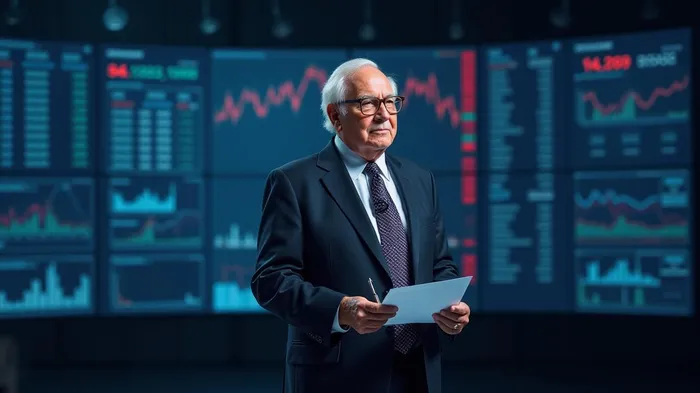
Warren Buffett, the legendary investor and CEO of Berkshire HathawayBRK.B--, has had a remarkable 60-year investment career marked by both extraordinary successes and significant failures. His journey offers valuable insights into the world of investing, showcasing his ability to identify undervalued assets and turn them into profitable ventures.
One of Buffett's earliest and most successful investments was in the insurance sector. In 1967, he acquired National Indemnity and National Fire & Marine, which provided the foundation for Berkshire Hathaway's insurance business. The float generated from these insurance companies—funds held by insurers that are not yet paid out in claims—has been a critical source of capital for Berkshire's other investments. This strategy has allowed Berkshire to grow into a diversified conglomerate, including subsidiaries like Geico and General Reinsurance.
Buffett's investment in American ExpressAXP--, Coca-ColaKO--, and Bank of America during times of market distress or corporate scandal has also proven to be highly lucrative. These investments, made when the companies were undervalued, have yielded returns exceeding $100 billion, not including dividends received over the years. His long-term approach to investing has allowed him to capitalize on market inefficiencies and turn them into substantial gains.
In 2016, Buffett began investing in Apple, a company he had previously avoided due to his lack of understanding of the tech sector. However, he saw Apple as a consumer products company with a loyal customer base. His investment in Apple, valued at over $310 billion, grew to over $1740 billion before he started selling some of his shares. This investment underscores Buffett's ability to adapt his strategies and identify value in unexpected places.
Another notable success was his investment in BYD, a Chinese electric vehicle manufacturer. On the advice of his late partner Charlie Munger, Buffett invested $232 million in BYD in 2008. Before he started selling, the value of his stake had surged to over $90 billion. Berkshire still holds a significant portion of BYD, valued at around $18 billion, highlighting the potential for long-term growth in emerging markets.
Buffett's acquisition of See's Candy in 1972 was a turning point in his career. Munger convinced him that buying a great business at a fair price was a wise move. This acquisition, made for $25 million, generated $16.5 billion in pre-tax profits by 2011, demonstrating the power of investing in companies with durable competitive advantages.
Berkshire Hathaway Energy, acquired in 2000, has been a stable source of earnings for the company. The acquisition of MidAmerican Energy, later renamed and expanded through several acquisitions, has contributed over $37 billion to Berkshire's profits in 2024. However, Buffett has noted that the value of these utilities has decreased due to liabilities related to wildfires.
Despite his many successes, Buffett has also made notable mistakes. His investment in the textile business of Berkshire Hathaway, which he acquired in 1965, was a significant failure. The company continued to lose money until it was finally shut down in 1985. However, even this failed investment provided the capital for some of his early acquisitions.
Buffett's acquisition of Dexter Shoe in 1993 for $433 million was another misstep. He used Berkshire's stock to complete the deal, effectively giving away 1.6% of the company's shares for a business that ultimately had no value. This experience underscored the importance of thorough due diligence and the risks of overpaying for acquisitions.
Buffett has also acknowledged missing out on significant opportunities. He regrets not investing in tech giants like Amazon, Google, and Microsoft earlier in their growth phases. These missed opportunities could have added tens of billions of dollars to Berkshire's portfolio. Additionally, he missed the chance to acquire 100 million shares of Walmart, which are now worth nearly $100 billion.
In the lead-up to the COVID-19 pandemic, Buffett began selling off his holdings in several banks, including Wells Fargo and JP Morgan. He sold Wells Fargo shares at around $30 per share and JP Morgan shares at less than $100 per share. Both stocks have since more than doubled in value, highlighting the potential risks of prematurely exiting profitable investments.
Buffett's acquisition of Blue Chip Stamps in 1970 was another mixed result. The company's sales declined from $126 million to just $25,920 by 2006 as the popularity of gift stamps waned. However, the float generated from Blue Chip Stamps was used to acquire other successful businesses like See's Candy and Wesco Financial, contributing to Berkshire's overall growth.
As Buffett prepares to step down from his role as CEO of Berkshire Hathaway, his legacy as one of the most successful investors in history is secure. His investment philosophy, which emphasizes patience, discipline, and a long-term perspective, continues to inspire investors worldwide. His ability to learn from both successes and failures has made him a role model for generations of investors.

Stay ahead of the market.
Get curated U.S. market news, insights and key dates delivered to your inbox.
AInvest
PRO
AInvest
PRO



Comments
No comments yet