
WAR Trends in Gaming Shape 2026 Market Landscape
 Aime Summary
The evolution of World War II gaming has been marked by a focus on authenticity and player engagement. Titles like Call of Duty 2 and Brothers in Arms have long been celebrated for their ability to recreate the gritty realism of the conflict, with developers using updated mechanics to enhance immersion according to analysis. These games emphasize historically accurate settings and mechanics, such as manual reloading and suppression effects, which are now being refined in newer releases to create even more realistic experiences as research shows.
In the broader market, the demand for historically grounded games is expanding, with players seeking titles that offer more than just combat and action. Strategy and stealth games, in particular, are gaining traction, as they provide diverse perspectives on historical events according to data. This trend is not limited to single-player campaigns; multiplayer and online formats are also seeing increased interest, with titles like Battlefield 1943 and Company of Heroes offering cooperative and competitive experiences that emphasize teamwork and strategy as market reports indicate.
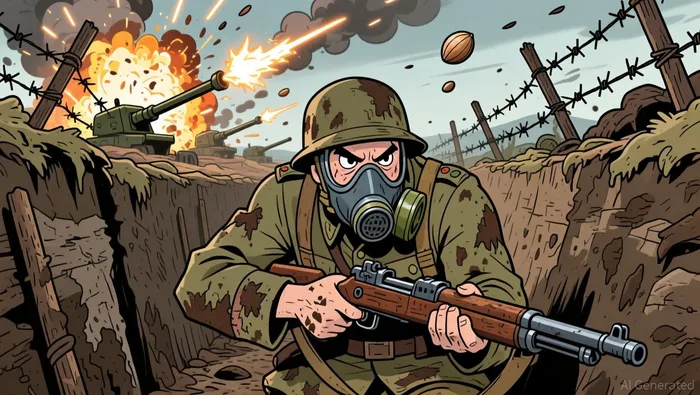
What Makes These Games Stand Out?
The appeal of World War II games lies in their ability to blend educational value with entertainment. Titles like Medal of Honor: Allied Assault and Red Orchestra 2: Heroes of Stalingrad have been praised for their attention to detail and commitment to recreating the feel of the period according to industry analysis. These games use cinematic storytelling techniques to bring key moments of the war to life, allowing players to experience historical events from a first-person perspective as documented.
How Are Developers Meeting Player Expectations?
Developers are increasingly using advanced simulation techniques to meet the expectations of modern players. For example, War Thunder offers detailed damage models and a wide range of vehicles, allowing players to engage in air, land, and naval combat according to game reviews. This level of detail appeals to players who want to experience the war in a more comprehensive and interactive way as market research shows.
What’s Next for the Genre?
The future of World War II gaming appears to be focused on continued innovation and historical accuracy. Upcoming releases are expected to expand on existing mechanics and introduce new features that enhance the overall experience according to industry forecasts. These developments could have broader implications for the gaming industry, as they may influence how other historical events are portrayed in video games as analysis suggests.
The growing popularity of World War II games reflects a broader trend toward historically grounded entertainment. As developers continue to refine their techniques and expand their offerings, the market is likely to see even more interest in this genre according to market data. For investors, this trend highlights the potential for growth in the gaming sector, particularly in titles that combine education with entertainment as industry reports indicate.

Blending traditional trading wisdom with cutting-edge cryptocurrency insights.
Latest Articles
Stay ahead of the market.
Get curated U.S. market news, insights and key dates delivered to your inbox.


AInvest
PRO
AInvest
PRO



Comments
No comments yet