
War Pushes June Deadline for Ukraine and Russia Peace Talks
 Aime Summary
The U.S. has set a June deadline for Ukraine and Russia to reach a peace agreement, according to Ukrainian President Volodymyr Zelenskyy. This timeline is part of ongoing U.S.-mediated negotiations, with the next round of trilateral talks expected in Miami. Despite progress on prisoner exchanges, key challenges persist, including Russia's demand for territorial concessions in eastern Ukraine, which Kyiv has rejected.
Ukrainian President Zelenskyy confirmed that the U.S. has proposed a June deadline for a peace agreement between Ukraine and Russia. This timeline marks the start of a trilateral negotiation process, with the next talks likely to be held in Miami. The U.S. is pushing for a resolution by the start of summer and has indicated potential pressure on both sides to meet the timeline. Despite these efforts, negotiations have yet to produce a breakthrough, as both sides continue to hold opposing positions on key issues.
Russia is demanding that Ukraine withdraw from the Donbas region, a condition Kyiv refuses to accept. Recent Russian strikes on energy infrastructure have forced nuclear power plants to reduce output, increasing the country's power deficit and causing extended outages. Ukraine is prepared to observe a ceasefire on energy infrastructure if Russia complies, but Zelenskyy noted that a previous U.S.-proposed pause was violated after four days.
The latest deadline follows U.S.-mediated talks in Abu Dhabi, which did not produce a resolution. Zelenskyy reiterated that the most difficult issues remain unresolved, including the status of the Zaporizhzhia nuclear plant and the Donbas region according to reporting. The U.S. has reaffirmed its role in monitoring any ceasefire arrangements, but no action has been specified if the June deadline is missed.
What is the significance of the U.S. setting a June deadline for peace talks?
The U.S. has emphasized the importance of a clear timeline for all events and has proposed holding the next round of trilateral talks in Miami. This approach aims to provide structure to the peace process, which has previously yielded limited progress. By setting a specific deadline, the U.S. hopes to create urgency and encourage compromise.
However, significant work remains, particularly regarding Russia's demands for territorial concessions in eastern Ukraine, which Kyiv has rejected due to constitutional restrictions. The U.S. is also applying pressure on both parties to adhere to the timeline, with the potential for diplomatic consequences if the deadline is not met.
What are the main obstacles to reaching a peace agreement?
One of the main obstacles is the continued Russian strikes on Ukraine's energy infrastructure. These attacks not only cause widespread power outages but also undermine the credibility of peace negotiations, especially during the winter months when energy supply is critical.
Additionally, Russia has proposed a $12 trillion economic plan, which Zelenskyy described as the 'Dmitriev package.' While the U.S. has not specified any concrete action it would take if the June deadline is missed, it has emphasized the importance of sustained diplomatic engagement to achieve tangible results.
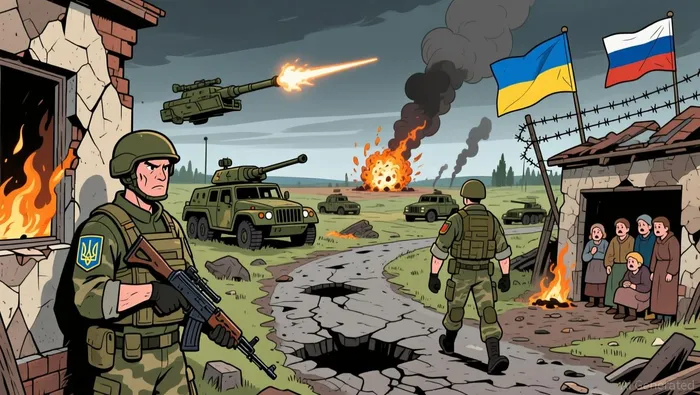
The U.S. special envoy, Steve Witkoff, highlighted that while significant work remains, the prisoner swaps demonstrate that sustained diplomatic efforts are yielding results and advancing efforts to end the war in Ukraine. Despite these efforts, the most difficult issues, including the Zaporizhzhia nuclear plant and the Donbas region, remain unresolved.
What role is the U.S. playing in monitoring peace efforts?
The U.S. has reaffirmed its role in monitoring any potential ceasefire arrangements between Ukraine and Russia. This includes overseeing a ceasefire on energy infrastructure, which Ukraine is prepared to observe if Russia complies. However, Zelenskyy pointed out that a previous U.S.-proposed pause was violated after only four days, raising concerns about Moscow's commitment to peace efforts.
The U.S. has not specified what action it would take if the June deadline is missed, but it has emphasized the importance of sustained diplomatic engagement to achieve tangible results. This indicates that the U.S. is likely to continue facilitating negotiations and applying pressure on both sides to reach an agreement.
Despite the progress on prisoner exchanges, the most difficult issues remain unresolved. These include the status of the Zaporizhzhia nuclear plant and the Donbas region, which continue to be major sticking points in the negotiations. The U.S. is expected to play a key role in ensuring that any peace agreement is approved by Ukraine through a referendum, which could take several months to finalize.

Blending traditional trading wisdom with cutting-edge cryptocurrency insights.
Latest Articles
Stay ahead of the market.
Get curated U.S. market news, insights and key dates delivered to your inbox.






Comments
No comments yet