
Wang: US-China ties are stable overall
Wang: US-China ties are stable overall
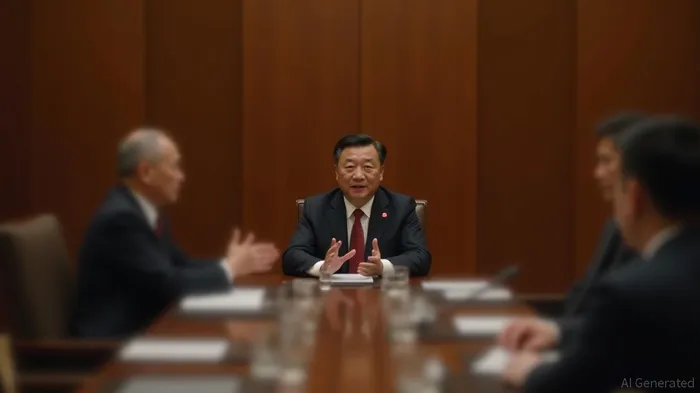
Chinese Foreign Minister Wang Yi has emphasized that U.S.-China relations remain stable overall, though challenges persist due to geopolitical tensions and differing strategic priorities. Speaking at the Munich Security Conference, Wang reiterated that China seeks a cooperative path with the United States through dialogue and mutual respect, stating, “whether we can achieve that goal ultimately depends on the United States”. He highlighted the importance of avoiding conflict, particularly on issues like Taiwan, where U.S. support for Taiwan's de facto autonomy risks crossing China's red lines.
Wang outlined a framework for stability rooted in three principles: “no conflict or confrontation,” “mutual respect,” and “win-win cooperation”. Economic ties, including $500 billion in bilateral trade and $80 billion in mutual investment, have historically served as a stabilizing force, with both nations benefiting from expanded cooperation in energy, technology, and infrastructure. However, Wang noted that U.S. policies—such as export controls on high-tech goods and arms sales to Taiwan—could undermine trust.
On global governance, Wang called for reforming multilateral institutions like the UN to ensure equitable representation, stressing that “every country, regardless of size or wealth, has a voice”. He also underscored the need for joint efforts on transnational challenges, including climate change and cybersecurity, where collaboration aligns with shared interests.
While acknowledging progress, Wang cautioned that “some in the U.S. are trying to split Taiwan from China,” warning that such actions risk destabilizing relations. For now, both nations appear committed to managing differences through structured dialogue, though long-term stability will depend on balancing core interests with pragmatic cooperation.
Stay ahead of the market.
Get curated U.S. market news, insights and key dates delivered to your inbox.


AInvest
PRO
AInvest
PRO



Comments
No comments yet