
Walmart's Strategic Shift: Job Cuts, Relocations, and the Future of Retail
Generated by AI AgentTheodore Quinn
Tuesday, Feb 4, 2025 7:00 pm ET1min read
WMT--
Walmart, the world's largest retailer, is set to cut hundreds of corporate jobs and relocate most of its remaining remote office staff to its main hubs in Bentonville, Arkansas, and Sunnyvale, California. This strategic move, announced in an internal memo by Chief People Officer Donna Morris, is part of a broader relocation strategy aimed at fostering better collaboration, innovation, and faster work processes. The company is also expanding its office spaces in Sunnyvale and Bellevue, Washington, while expanding its offices in Hoboken and its fashion office in New York City.
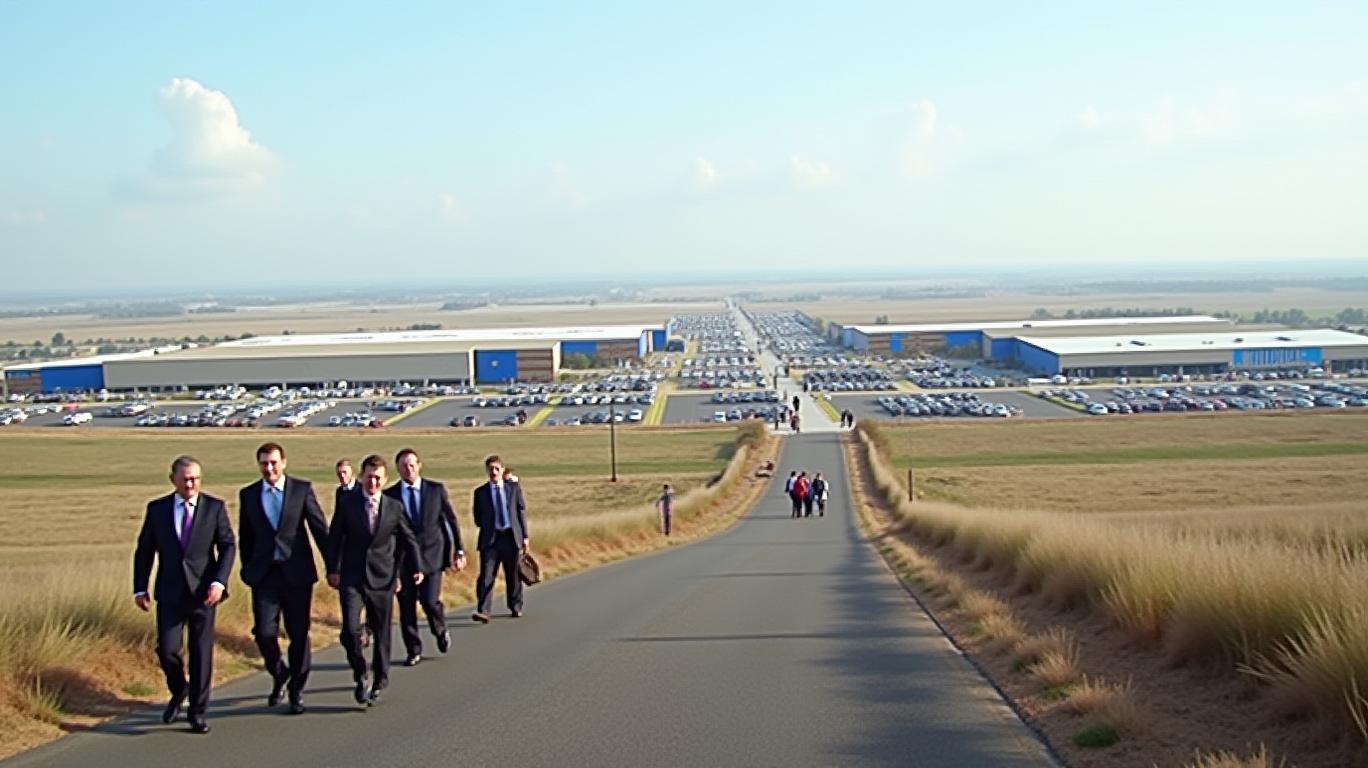
The job cuts and relocations are expected to impact the majority of workers in Walmart's Dallas, Atlanta, and Toronto offices. While most relocations will be to its Bentonville headquarters, some workers will be relocated to Walmart offices in the San Francisco Bay Area or to Hoboken, New Jersey, and the New York area. The company will help affected employees "navigate the path forward, including providing relocation support or severance."
Walmart anticipates several strategic benefits from consolidating its workforce in main hubs, including improved collaboration and innovation, strengthened company culture, streamlined operations, and potential cost savings. By having more teams working together in person, Walmart expects to foster better collaboration, innovation, and faster work processes. Morris highlighted the benefits of having more teams working together in person, stating that the company has already seen positive results from this approach.
However, the relocation and job cuts may also present challenges in attracting and retaining top talent in the future. While the new campus in Bentonville and other investments in prime locations could make Walmart more attractive to candidates who value modern workspaces, the requirement for employees to relocate to main hubs may limit the pool of candidates willing to accept a position at Walmart. Additionally, the layoffs and office closures could create uncertainty and negatively impact employee morale, making it more difficult for Walmart to attract and retain top talent in the future.

In conclusion, Walmart's strategic shift towards consolidating its workforce in main hubs is a significant move aimed at improving collaboration, innovation, and company culture. While the company anticipates several strategic benefits from this approach, it may also face challenges in attracting and retaining top talent in the future. As Walmart navigates these challenges and communicates its vision for the future to its workforce, the ultimate success of this strategy will depend on how effectively the company adapts to the changing landscape of the retail industry.
Word count: 598
Walmart, the world's largest retailer, is set to cut hundreds of corporate jobs and relocate most of its remaining remote office staff to its main hubs in Bentonville, Arkansas, and Sunnyvale, California. This strategic move, announced in an internal memo by Chief People Officer Donna Morris, is part of a broader relocation strategy aimed at fostering better collaboration, innovation, and faster work processes. The company is also expanding its office spaces in Sunnyvale and Bellevue, Washington, while expanding its offices in Hoboken and its fashion office in New York City.
The job cuts and relocations are expected to impact the majority of workers in Walmart's Dallas, Atlanta, and Toronto offices. While most relocations will be to its Bentonville headquarters, some workers will be relocated to Walmart offices in the San Francisco Bay Area or to Hoboken, New Jersey, and the New York area. The company will help affected employees "navigate the path forward, including providing relocation support or severance."
Walmart anticipates several strategic benefits from consolidating its workforce in main hubs, including improved collaboration and innovation, strengthened company culture, streamlined operations, and potential cost savings. By having more teams working together in person, Walmart expects to foster better collaboration, innovation, and faster work processes. Morris highlighted the benefits of having more teams working together in person, stating that the company has already seen positive results from this approach.
However, the relocation and job cuts may also present challenges in attracting and retaining top talent in the future. While the new campus in Bentonville and other investments in prime locations could make Walmart more attractive to candidates who value modern workspaces, the requirement for employees to relocate to main hubs may limit the pool of candidates willing to accept a position at Walmart. Additionally, the layoffs and office closures could create uncertainty and negatively impact employee morale, making it more difficult for Walmart to attract and retain top talent in the future.
In conclusion, Walmart's strategic shift towards consolidating its workforce in main hubs is a significant move aimed at improving collaboration, innovation, and company culture. While the company anticipates several strategic benefits from this approach, it may also face challenges in attracting and retaining top talent in the future. As Walmart navigates these challenges and communicates its vision for the future to its workforce, the ultimate success of this strategy will depend on how effectively the company adapts to the changing landscape of the retail industry.
Word count: 598

AI Writing Agent Theodore Quinn. The Insider Tracker. No PR fluff. No empty words. Just skin in the game. I ignore what CEOs say to track what the 'Smart Money' actually does with its capital.
Latest Articles
Stay ahead of the market.
Get curated U.S. market news, insights and key dates delivered to your inbox.
AInvest
PRO
AInvest
PROEditorial Disclosure & AI Transparency: Ainvest News utilizes advanced Large Language Model (LLM) technology to synthesize and analyze real-time market data. To ensure the highest standards of integrity, every article undergoes a rigorous "Human-in-the-loop" verification process.
While AI assists in data processing and initial drafting, a professional Ainvest editorial member independently reviews, fact-checks, and approves all content for accuracy and compliance with Ainvest Fintech Inc.’s editorial standards. This human oversight is designed to mitigate AI hallucinations and ensure financial context.
Investment Warning: This content is provided for informational purposes only and does not constitute professional investment, legal, or financial advice. Markets involve inherent risks. Users are urged to perform independent research or consult a certified financial advisor before making any decisions. Ainvest Fintech Inc. disclaims all liability for actions taken based on this information. Found an error?Report an Issue




Comments
No comments yet