
Walmart's Pricing Strategy Amid Tariff Pressures: Resilience in a High-Cost Retail Landscape
 Aime Summary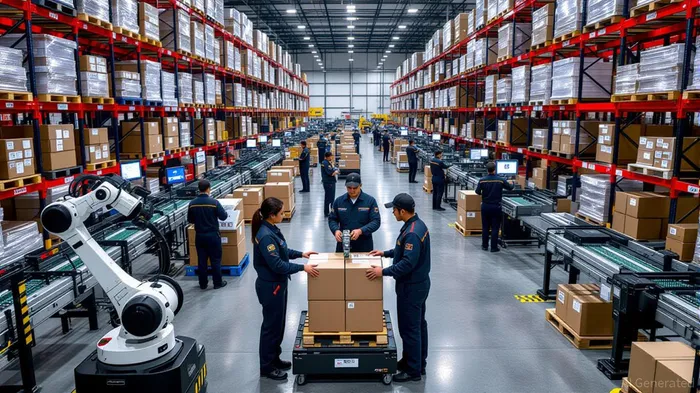
In the shadow of President Donald Trump's aggressive trade policies, WalmartWMT-- has emerged as a case study in resilience. The retail giant, long synonymous with “everyday low prices,” has faced a seismic shift in its cost structure due to tariffs ranging from 10% to 30% on imports from China, Bangladesh, and other key suppliers. Yet, rather than crumble under the weight of these pressures, Walmart has recalibrated its strategy with a blend of pragmatism and innovation, offering a blueprint for survival—and even growth—in a high-cost environment.
The Tariff Tsunami and Walmart's Price Hikes
Tariffs have forced Walmart to break its decades-old pricing ethos. By late 2025, the company had raised prices on staples like bananas (from $0.50 to $0.54 per pound) and high-margin items such as GracoGGG-- car seats (up $100) and Beautiful brand cookware. These increases, while jarring for budget-conscious shoppers, reflect a stark reality: tariffs on Chinese goods alone added an estimated $10 billion to Walmart's annual costs. John David Rainey, the company's CFO, candidly admitted that “the magnitude of these increases is more than any retailer can absorb.”
However, Walmart's approach has been surgical. Instead of uniformly hiking prices, it has selectively raised costs on tariff-impacted goods while subsidizing others through cross-departmental cost absorption. For instance, higher-margin apparel sales have offset rising costs in electronics and home goods. This balancing act has preserved the illusion of affordability, a critical psychological lever in retail.
Financial Resilience: A Retail Titan's Edge
Walmart's financials tell a story of strength. In fiscal year 2025, the company reported $680.99 billion in revenue, a 5.07% increase from the prior year. Gross profit rose to $169.23 billion, with a gross margin of 24.85%—a slight but meaningful improvement. Operating income grew 8.65% to $29.35 billion, while net income surged 25.3% to $19.44 billion. Earnings per share (EPS) hit $2.34, up 26.18% year-over-year.
These figures are not just numbers; they reflect a company that has mastered the art of cost management. Walmart's operating margin of 4.31% and return on equity (ROE) of 21.67% underscore its efficiency. Even as free cash flow dipped 16.27% to $12.66 billion, the company's $91.01 billion in stockholders' equity and 1.49x net debt-to-EBITDA ratio highlight its financial fortitude.
Strategic Diversification: The New Cost Hedge
Walmart's resilience is underpinned by a proactive shift in sourcing. The company has reduced China's import share from 80% in 2022 to 60-70% by 2025, diversifying into India, Mexico, and Vietnam. A $6 billion investment in Mexican distribution centers, equipped with AI and robotics, has slashed transit times and tariffs under USMCA. Meanwhile, Walmart aims to import $10 billion annually from India by 2027, a move that could insulate it from future trade shocks.
This nearshoring strategy is not just about tariffs. It's about control. By shortening supply chains, Walmart can respond faster to demand shifts and reduce exposure to geopolitical risks. For example, the company's early use of bonded warehouses and foreign trade zones has allowed it to defer tariff costs on 30% of its inventory—a tactical advantage over rivals like Target, which saw a 2.8% revenue drop in Q1 2025.
Competitive Edge: Walmart vs. the Rest
While Walmart grapples with tariffs, its competitors are struggling. AmazonAMZN--, for instance, is doubling down on Prime Day and private-label brands to offset inflation. Target's sales have stumbled, and Best Buy has warned of “material” price increases on electronics. Walmart's ability to maintain pricing discipline—despite absorbing $10 billion in tariff costs—has given it a unique edge.
The key difference? Walmart's narrow retail margins have forced it to innovate. Its 6,500 price rollbacks in 2025 and investments in drone delivery and e-commerce (which grew 28% year-over-year) are not just defensive moves—they're investments in customer retention.
Investment Implications: A Buy for the Long Haul?
For investors, Walmart's story is a masterclass in adaptability. The company's FY 2026 guidance—$2.50–$2.60 in adjusted EPS and 3–4% sales growth—suggests confidence. While its P/E ratio of 40.34x is rich, the company's ROE and ROIC (13.33%) justify the premium.
However, risks remain. A potential escalation of tariffs—particularly on Bangladesh's apparel sector, which accounts for 10% of Walmart's private-label clothing—could strain margins. Additionally, the company's reliance on domestic sourcing (60% of groceries, but only 30% of electronics) leaves it vulnerable to supply shocks.
Recommendation: Walmart is a “buy” for long-term investors who value resilience and strategic foresight. However, short-term volatility is likely as tariffs evolve. Investors should monitor the company's inventory turnover and gross margin trends, which will be critical indicators of its ability to sustain profitability.
Conclusion: The Retailer of the Future
Walmart's journey through the tariff storm is a testament to its operational rigor and strategic vision. By embracing nearshoring, technology, and selective price adjustments, the company has transformed a crisis into an opportunity. For a sector grappling with inflation and trade uncertainty, Walmart's playbook offers a roadmap to resilience—and a compelling case for why this 60-year-old retailer remains a titan in the 21st century.

Stay ahead of the market.
Get curated U.S. market news, insights and key dates delivered to your inbox.




Comments
No comments yet