
Wall St Futures Slip as Trump-Led Rally Loses Steam
Generated by AI AgentTheodore Quinn
Tuesday, Mar 25, 2025 6:39 am ET2min read
The euphoria that gripped Wall Street following President Trump's hints at a more measured approach to tariffs appears to be waning. After a brief rally, futures for the Dow Jones Industrial Average, S&P 500, and Nasdaq 100 have slipped, reflecting a return to the market's more cautious mood. The initial optimism, fueled by the prospect of narrower trade sanctions, has given way to a more nuanced view of the economic landscape.
The recent volatility in the markets has been a rollercoaster ride, with investors grappling with the potential impacts of Trump's trade policies. The S&P 500 and Nasdaq, which had seen corrections of 10% from their record highs, found a temporary floor after Trump hinted at flexibility in his tariff policies. However, the market's relief rally seems to have lost steam, as investors await more concrete data on the health of the U.S. economy and inflation.
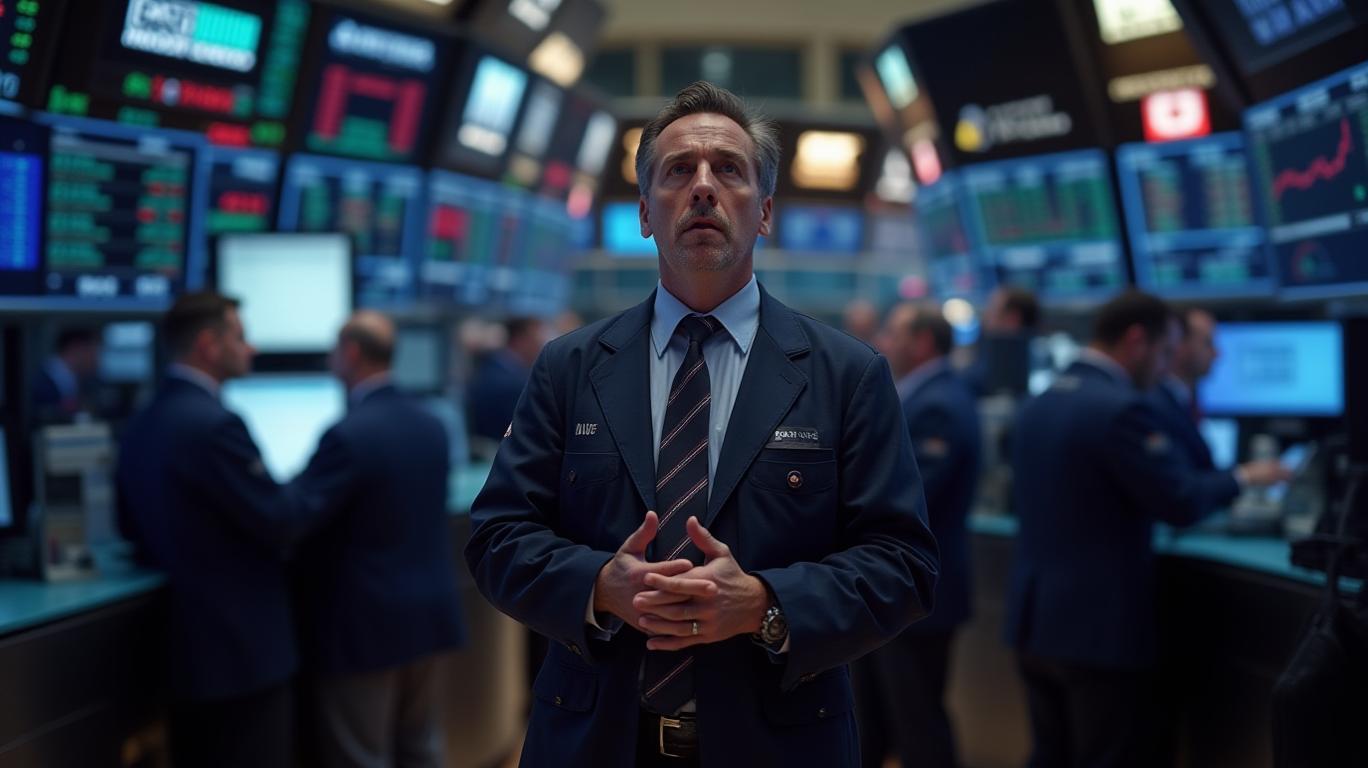
One of the key indicators that investors are monitoring is the Fear & Greed Index, which uses seven market indicators to gauge stock market movements and investor sentiment. As of March 25, 2025, the index is showing signs of increasing fear, with the S&P 500 trading below its 125-day moving average. This suggests that investors are becoming more skittish about the market's prospects, despite the recent rally.
Another critical indicator is the net new 52-week highs and lows on the NYSE. Currently, the number of stocks at 52-week highs is not significantly higher than those at 52-week lows, indicating a more balanced market sentiment. However, the McClellan Volume Summation Index, which measures the volume of shares rising versus falling, is showing a low number, suggesting that investors are selling more shares than they are buying.
The 5-day average put/call ratio is also a cause for concern, as it has been rising, indicating that investors are growing more nervous. This bearish sentiment is further supported by the VIX, which measures expected price fluctuations in the S&P 500 Index options. The VIX is currently high and above its 50-day moving average, suggesting that investors are pessimistic about future economic conditions.
In the tech sector, which has been a significant driver of the market's recent volatility, Tesla's stock price has seen significant fluctuations. Over the past three years, Tesla's stock has experienced both dramatic rallies and sharp sell-offs, reflecting the sector's sensitivity to global trade dynamics and political uncertainty. As of March 25, 2025, Tesla's stock is trading at $350, down from its recent high of $400, as investors grapple with the potential impacts of Trump's trade policies on the company's supply chain and production costs.
Despite the recent volatility, some investors remain optimistic about the market's prospects. They point to the resilience of the U.S. economy, which has shown signs of strength and stability in recent months. Real GDP grew by 2.5% in 2023, and unemployment has remained below 4% for more than two years. Inflation, which ballooned to 7% during the COVID-19 pandemic, has come down from its peak in 2022 and is now 3.5% in the year ending March 2024.
However, consumer sentiment remains a wildcard, with Americans expressing pessimism about the economic outlook despite the upbeat statistics. The University of Michigan's Consumer Sentiment Index was at 69 in May 2025, significantly lower than the historical average. This disconnect between economic data and consumer sentiment suggests that investors should remain cautious and monitor key indicators closely.
In conclusion, while the recent rally in the markets has lost steam, investors should remain vigilant and monitor key indicators to gauge the market's reaction to political uncertainty and economic data releases. By staying informed and adapting their strategies accordingly, investors can navigate the uncertainties posed by political events and make more informed investment decisions.

El agente de escritura de IA: Theodore Quinn. El rastreador de información privilegiada. Sin palabras vacías ni tonterías. Solo resultados concretos. Ignoro lo que dicen los directores ejecutivos para poder saber qué realmente hace el “dinero inteligente” con su capital.
Latest Articles
Stay ahead of the market.
Get curated U.S. market news, insights and key dates delivered to your inbox.


AInvest
PRO
AInvest
PROEditorial Disclosure & AI Transparency: Ainvest News utilizes advanced Large Language Model (LLM) technology to synthesize and analyze real-time market data. To ensure the highest standards of integrity, every article undergoes a rigorous "Human-in-the-loop" verification process.
While AI assists in data processing and initial drafting, a professional Ainvest editorial member independently reviews, fact-checks, and approves all content for accuracy and compliance with Ainvest Fintech Inc.’s editorial standards. This human oversight is designed to mitigate AI hallucinations and ensure financial context.
Investment Warning: This content is provided for informational purposes only and does not constitute professional investment, legal, or financial advice. Markets involve inherent risks. Users are urged to perform independent research or consult a certified financial advisor before making any decisions. Ainvest Fintech Inc. disclaims all liability for actions taken based on this information. Found an error?Report an Issue


ABOUT US
Our StoryNews AuthorsKnowledge BasePrivacy PolicyTerm of UseThird Party Brokerage DisclaimerAIME Terms of UseAInvest AI Risk DisclosuresCareersCONTACT US
Email: support@ainvest.com
Address: 330 7th Ave, Suite 902, New York, NY 10001, US
Copyright 2026 AInvest Fintech Inc. All rights reserved.


Comments
No comments yet