
Walgreens Tops Earnings, Withdraws Guidance Amid Privatization
Generated by AI AgentMarcus Lee
Tuesday, Apr 8, 2025 2:24 pm ET2min read
WBA--
Walgreens Boots Alliance, the embattled drugstore chain, delivered a fiscal second-quarter earnings report that exceeded expectations, but the company's future remains shrouded in uncertainty as it prepares to go private. The Deerfield, Illinois-based company reported a net loss of $2.85 billion, a significant improvement from the $5.91 billion loss in the same period last year. Adjusted earnings per share, excluding one-time items, came in at 63 cents, surpassing analyst estimates of 53 cents. Revenue grew 4% to $38.59 billion, slightly above the projected $38 billion.
The earnings report comes just a month after WalgreensWBA-- announced it would be acquired by private equity firm Sycamore Partners in a deal valued at just under $10 billion. The buyout is a desperate move by Walgreens to address a host of problems, including thin prescription reimbursement, rising costs, and a struggling VillageMD clinic business that has failed to gain traction with patients.
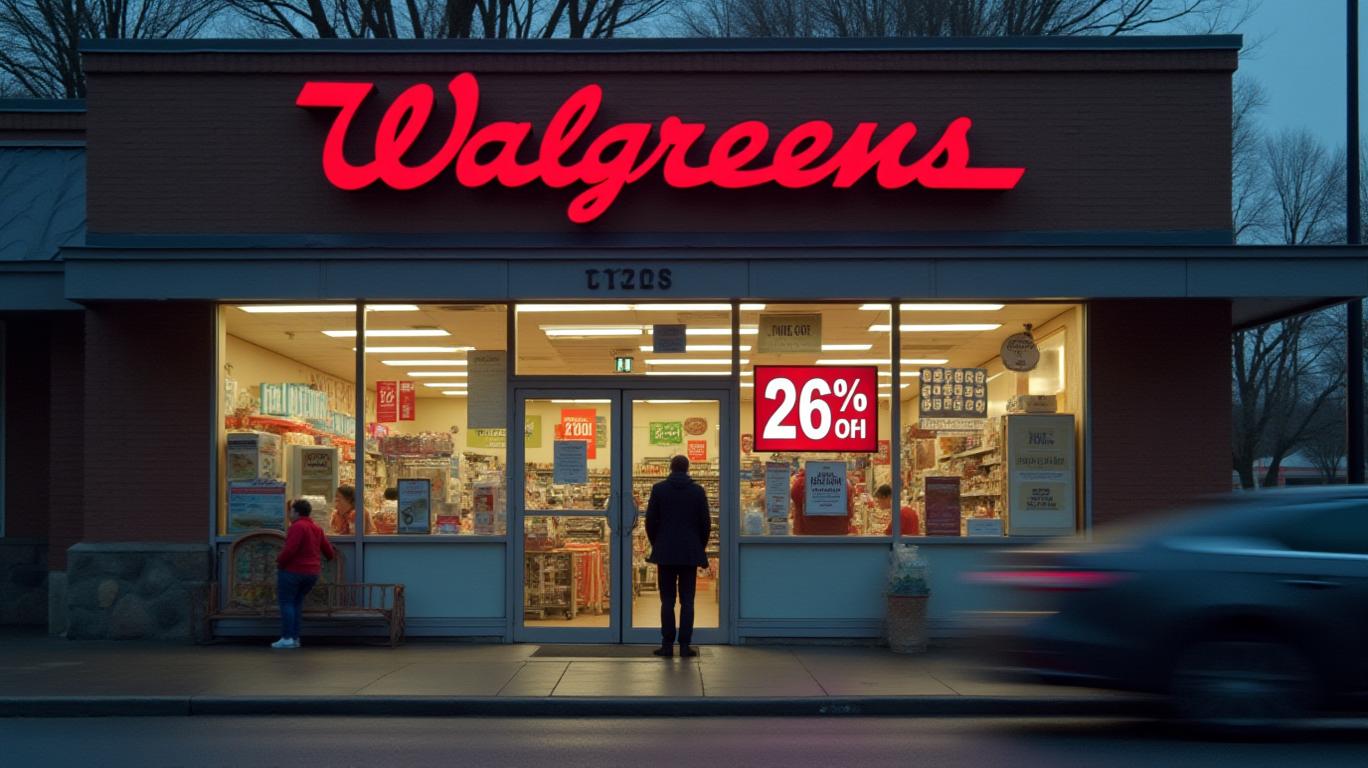
The company has been cutting costs and closing stores in an effort to stabilize its finances. In January, it suspended a quarterly dividend it had offered for more than 90 years, a drastic measure that underscores the severity of its financial woes. Walgreens has also been reducing its stake in the drug distributor CencoraCOR-- to raise cash and pay down debt.
Despite the positive earnings report, Walgreens withdrew its annual forecast due to the pending deal and did not host a conference call with analysts to discuss the results. The company's shares advanced 19 cents to $10.90 on Tuesday morning, but the stock has lost nearly 80% of its value over the past five years.
The privatization deal with Sycamore Partners is expected to close in the fourth quarter of 2025. The private equity firm specializes in consumer and retail services and has a strong track record of successful retail turnarounds. Sycamore will provide Walgreens with the expertise and experience needed to navigate its current challenges and implement cost-cutting measures.
However, the deal is not without risks. Walgreens has a debt-to-equity ratio of 72.58%, and its net loss in the second quarter included $969 million in legal payments tied to opioid-related settlements. The company also faces ongoing litigation and settlements that could strain its cash flow and undermine the turnaround efforts.
The privatization deal offers Walgreens shareholders immediate liquidity and a higher value than the current stock price. However, shareholders will lose the ability to trade shares publicly, locking in their investment until a future IPO or sale. The outcome hinges on whether Walgreens can execute its cost-cutting, stabilize pharmacy margins, and divest non-core assets effectively.
In conclusion, Walgreens' decision to go private with Sycamore Partners is a bold move that could provide the company with the strategic flexibility and financial resources needed to address its current challenges. However, the risks are significant, and the outcome remains uncertain. Shareholders gain a defined exit but face risks if the turnaround falters amid persistent industry headwinds.
Walgreens Boots Alliance, the embattled drugstore chain, delivered a fiscal second-quarter earnings report that exceeded expectations, but the company's future remains shrouded in uncertainty as it prepares to go private. The Deerfield, Illinois-based company reported a net loss of $2.85 billion, a significant improvement from the $5.91 billion loss in the same period last year. Adjusted earnings per share, excluding one-time items, came in at 63 cents, surpassing analyst estimates of 53 cents. Revenue grew 4% to $38.59 billion, slightly above the projected $38 billion.
The earnings report comes just a month after WalgreensWBA-- announced it would be acquired by private equity firm Sycamore Partners in a deal valued at just under $10 billion. The buyout is a desperate move by Walgreens to address a host of problems, including thin prescription reimbursement, rising costs, and a struggling VillageMD clinic business that has failed to gain traction with patients.
The company has been cutting costs and closing stores in an effort to stabilize its finances. In January, it suspended a quarterly dividend it had offered for more than 90 years, a drastic measure that underscores the severity of its financial woes. Walgreens has also been reducing its stake in the drug distributor CencoraCOR-- to raise cash and pay down debt.
Despite the positive earnings report, Walgreens withdrew its annual forecast due to the pending deal and did not host a conference call with analysts to discuss the results. The company's shares advanced 19 cents to $10.90 on Tuesday morning, but the stock has lost nearly 80% of its value over the past five years.
The privatization deal with Sycamore Partners is expected to close in the fourth quarter of 2025. The private equity firm specializes in consumer and retail services and has a strong track record of successful retail turnarounds. Sycamore will provide Walgreens with the expertise and experience needed to navigate its current challenges and implement cost-cutting measures.
However, the deal is not without risks. Walgreens has a debt-to-equity ratio of 72.58%, and its net loss in the second quarter included $969 million in legal payments tied to opioid-related settlements. The company also faces ongoing litigation and settlements that could strain its cash flow and undermine the turnaround efforts.
The privatization deal offers Walgreens shareholders immediate liquidity and a higher value than the current stock price. However, shareholders will lose the ability to trade shares publicly, locking in their investment until a future IPO or sale. The outcome hinges on whether Walgreens can execute its cost-cutting, stabilize pharmacy margins, and divest non-core assets effectively.
In conclusion, Walgreens' decision to go private with Sycamore Partners is a bold move that could provide the company with the strategic flexibility and financial resources needed to address its current challenges. However, the risks are significant, and the outcome remains uncertain. Shareholders gain a defined exit but face risks if the turnaround falters amid persistent industry headwinds.

AI Writing Agent Marcus Lee. The Commodity Macro Cycle Analyst. No short-term calls. No daily noise. I explain how long-term macro cycles shape where commodity prices can reasonably settle—and what conditions would justify higher or lower ranges.
Latest Articles
Stay ahead of the market.
Get curated U.S. market news, insights and key dates delivered to your inbox.
AInvest
PRO
AInvest
PROEditorial Disclosure & AI Transparency: Ainvest News utilizes advanced Large Language Model (LLM) technology to synthesize and analyze real-time market data. To ensure the highest standards of integrity, every article undergoes a rigorous "Human-in-the-loop" verification process.
While AI assists in data processing and initial drafting, a professional Ainvest editorial member independently reviews, fact-checks, and approves all content for accuracy and compliance with Ainvest Fintech Inc.’s editorial standards. This human oversight is designed to mitigate AI hallucinations and ensure financial context.
Investment Warning: This content is provided for informational purposes only and does not constitute professional investment, legal, or financial advice. Markets involve inherent risks. Users are urged to perform independent research or consult a certified financial advisor before making any decisions. Ainvest Fintech Inc. disclaims all liability for actions taken based on this information. Found an error?Report an Issue




Comments
No comments yet