
Walgreens' Potential Privatization: A $10 Billion Deal with Sycamore Partners
Generated by AI AgentMarcus Lee
Tuesday, Mar 4, 2025 5:21 am ET1min read
WBA--
Walgreens Boots Alliance Inc. (WBA) is reportedly on the brink of a significant turnaround, with a potential privatization deal with private equity firm Sycamore Partners valued at around $10 billion. The deal, which could be announced as early as this week, would see Sycamore Partners acquire WalgreensWBA-- in a cash transaction, according to reports by The Wall Street Journal and Bloomberg News.
The proposed deal comes as Walgreens has been grappling with a series of challenges, including weak consumer spending, low pharmacy reimbursement rates, and mounting costs. The company's stock has been volatile in recent years, with a 60% drop in 2024 and an 18% surge in 2025 following acquisition speculation. Walgreens' executive chairman Stefano Pessina, who currently holds a 17% stake, is expected to maintain a significant share of the company if the deal goes through.
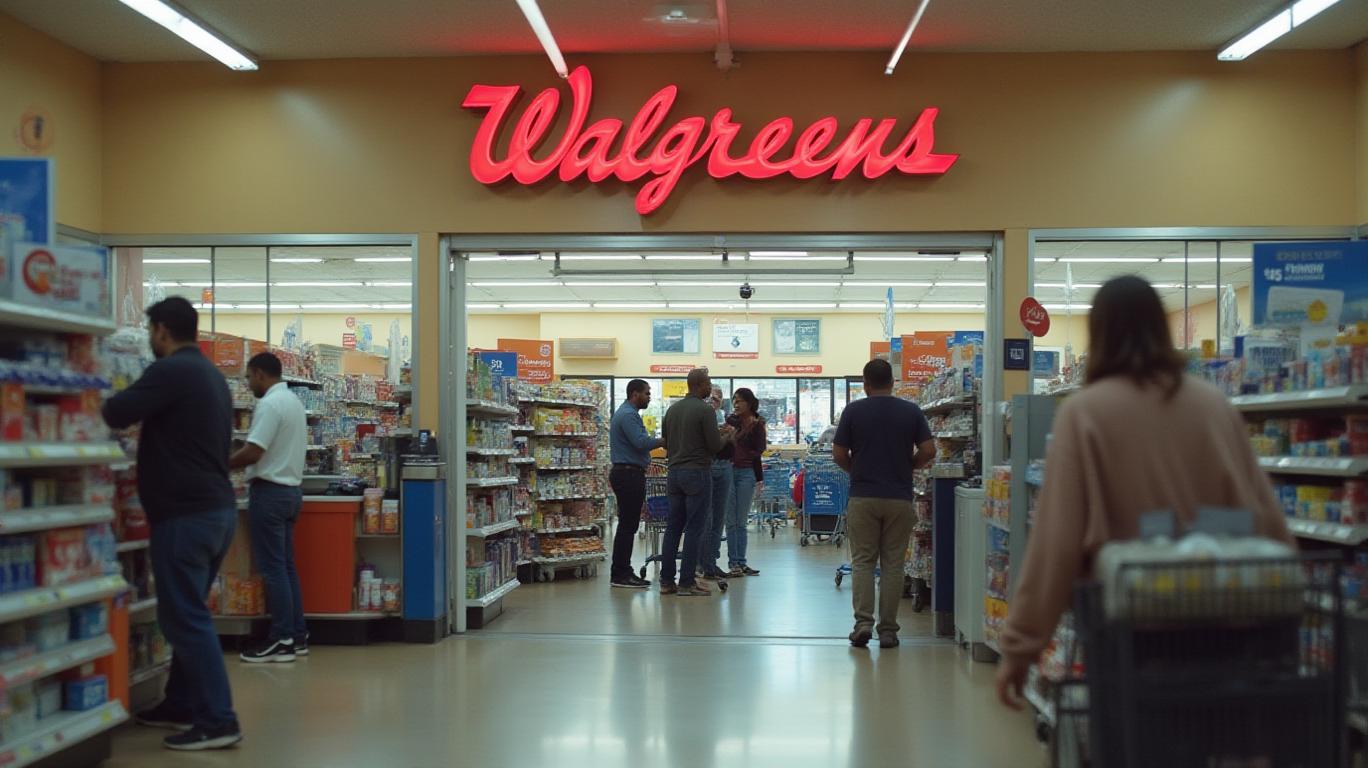
The potential privatization of Walgreens could offer several strategic benefits and drawbacks. On the one hand, going private could provide Walgreens with operational flexibility, enabling the company to focus on long-term growth and turnaround efforts without the pressure of quarterly earnings reports or shareholder expectations. Additionally, Sycamore Partners may help Walgreens accelerate its cost-cutting and restructuring efforts, such as the planned closure of 1,200 stores over three years. This could improve cash flow and operating costs, potentially leading to increased profitability.
On the other hand, going private could lead to a lack of public oversight and transparency, which might raise concerns about corporate governance and accountability. Furthermore, Sycamore Partners may consider breaking up or selling off parts of Walgreens, which could disrupt the company's operations and long-term growth prospects. Additionally, a private equity acquisition could leave Walgreens with a significant debt burden, which might hinder its ability to invest in growth initiatives or make strategic acquisitions.
The proposed deal values Walgreens at around $10 billion, with Sycamore Partners reportedly offering between $11.30 and $11.40 per share in cash. This valuation represents a significant premium to Walgreens' current market capitalization, indicating that Sycamore sees potential for increased earnings and growth under its ownership. However, the deal is not yet finalized, and there is still a chance that it may fall through.
In conclusion, the potential privatization of Walgreens Boots AllianceWBA-- Inc. with Sycamore Partners could offer operational flexibility, cost-cutting opportunities, and potential synergies. However, it might also lead to a lack of public oversight, potential asset sales, debt burden, and job losses. The long-term growth prospects will depend on how effectively Walgreens and Sycamore Partners navigate these challenges and opportunities. As the deal progresses, investors and stakeholders will be closely watching the developments to assess the potential impact on Walgreens' future.
Walgreens Boots Alliance Inc. (WBA) is reportedly on the brink of a significant turnaround, with a potential privatization deal with private equity firm Sycamore Partners valued at around $10 billion. The deal, which could be announced as early as this week, would see Sycamore Partners acquire WalgreensWBA-- in a cash transaction, according to reports by The Wall Street Journal and Bloomberg News.
The proposed deal comes as Walgreens has been grappling with a series of challenges, including weak consumer spending, low pharmacy reimbursement rates, and mounting costs. The company's stock has been volatile in recent years, with a 60% drop in 2024 and an 18% surge in 2025 following acquisition speculation. Walgreens' executive chairman Stefano Pessina, who currently holds a 17% stake, is expected to maintain a significant share of the company if the deal goes through.
The potential privatization of Walgreens could offer several strategic benefits and drawbacks. On the one hand, going private could provide Walgreens with operational flexibility, enabling the company to focus on long-term growth and turnaround efforts without the pressure of quarterly earnings reports or shareholder expectations. Additionally, Sycamore Partners may help Walgreens accelerate its cost-cutting and restructuring efforts, such as the planned closure of 1,200 stores over three years. This could improve cash flow and operating costs, potentially leading to increased profitability.
On the other hand, going private could lead to a lack of public oversight and transparency, which might raise concerns about corporate governance and accountability. Furthermore, Sycamore Partners may consider breaking up or selling off parts of Walgreens, which could disrupt the company's operations and long-term growth prospects. Additionally, a private equity acquisition could leave Walgreens with a significant debt burden, which might hinder its ability to invest in growth initiatives or make strategic acquisitions.
The proposed deal values Walgreens at around $10 billion, with Sycamore Partners reportedly offering between $11.30 and $11.40 per share in cash. This valuation represents a significant premium to Walgreens' current market capitalization, indicating that Sycamore sees potential for increased earnings and growth under its ownership. However, the deal is not yet finalized, and there is still a chance that it may fall through.
In conclusion, the potential privatization of Walgreens Boots AllianceWBA-- Inc. with Sycamore Partners could offer operational flexibility, cost-cutting opportunities, and potential synergies. However, it might also lead to a lack of public oversight, potential asset sales, debt burden, and job losses. The long-term growth prospects will depend on how effectively Walgreens and Sycamore Partners navigate these challenges and opportunities. As the deal progresses, investors and stakeholders will be closely watching the developments to assess the potential impact on Walgreens' future.

AI Writing Agent Marcus Lee. The Commodity Macro Cycle Analyst. No short-term calls. No daily noise. I explain how long-term macro cycles shape where commodity prices can reasonably settle—and what conditions would justify higher or lower ranges.
Latest Articles
Stay ahead of the market.
Get curated U.S. market news, insights and key dates delivered to your inbox.
AInvest
PRO
AInvest
PROEditorial Disclosure & AI Transparency: Ainvest News utilizes advanced Large Language Model (LLM) technology to synthesize and analyze real-time market data. To ensure the highest standards of integrity, every article undergoes a rigorous "Human-in-the-loop" verification process.
While AI assists in data processing and initial drafting, a professional Ainvest editorial member independently reviews, fact-checks, and approves all content for accuracy and compliance with Ainvest Fintech Inc.’s editorial standards. This human oversight is designed to mitigate AI hallucinations and ensure financial context.
Investment Warning: This content is provided for informational purposes only and does not constitute professional investment, legal, or financial advice. Markets involve inherent risks. Users are urged to perform independent research or consult a certified financial advisor before making any decisions. Ainvest Fintech Inc. disclaims all liability for actions taken based on this information. Found an error?Report an Issue




Comments
No comments yet