
Walgreens Leads the Charge in Safe Medication Disposal Ahead of National Drug Take Back Day 2025
As National Drug Take Back Day approaches on April 26, 2025, WalgreensWBA-- once again stands at the forefront of a critical public health initiative aimed at reducing prescription drug misuse and environmental harm. This annual event, coordinated by the U.S. Drug Enforcement Administration (DEA), provides a secure pathway for Americans to dispose of expired or unused medications. For Walgreens, participation is not merely a corporate social responsibility gesture—it is a strategic move that bolsters its reputation, aligns with regulatory priorities, and underscores its role as a trusted healthcare partner.
A Decade of Progress
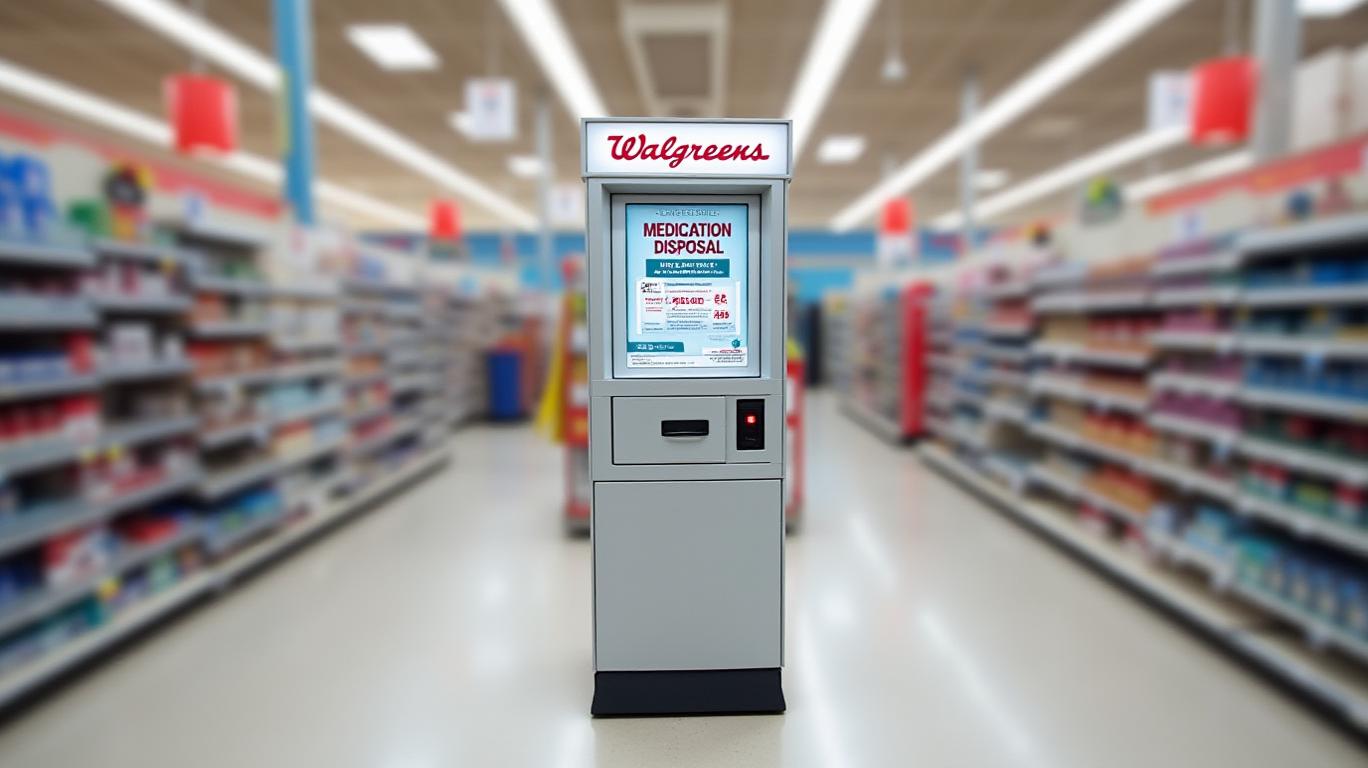
Since launching its safe medication disposal program in 2016, Walgreens has collected over 6.5 million pounds of unused prescription drugs—a figure that continues to grow. The DEA’s broader initiative, which Walgreens supports, has cumulatively diverted 19.2 million pounds of medications from landfills and households since its inception in 2010. The April 2025 event will mark another milestone, with Walgreens’ 1,550 medication disposal kiosks across 46 states and Washington, D.C., serving as key drop-off points.
The program’s scale is evident in recent data: during the October 2024 Take Back Day, participants nationwide turned in 629,953 pounds of medications—over 300 tons—through DEA-registered sites like Walgreens. This reflects consistent participation, with law enforcement agencies and retailers like Walgreens ensuring the program’s reach.
The Investment Case: Beyond Goodwill
For investors, Walgreens’ commitment to this initiative signals strategic foresight.
Regulatory Alignment: The DEA’s push to curb opioid misuse has intensified under federal policies like the Substance Use-Disorder Prevention that Promotes Opioid Recovery and Treatment (SUPPORT) Act. By supporting Take Back Days, Walgreens demonstrates compliance with evolving regulations and positions itself as a partner in public health efforts.
Brand Loyalty and Trust: In an era of rising consumer scrutiny, proactive initiatives like medication disposal enhance Walgreens’ reputation as a community-oriented pharmacy. This can translate to customer retention and foot traffic, particularly among health-conscious demographics.
Operational Efficiency: Walgreens’ kiosk infrastructure—now handling ~40% of all national disposal sites—reduces reliance on temporary drop-off events. The DisposeRx disposal packets provided at non-kiosk locations further streamline year-round disposal, minimizing operational costs while maximizing convenience.
Data-Driven Growth
The program’s success is quantifiable. Since 2016, Walgreens’ cumulative collections have increased by ~90%, outpacing the DEA’s national growth rate of ~50% during the same period. This suggests Walgreens’ infrastructure investments (e.g., kiosks) are accelerating participation.
The April 2025 event is projected to rival or exceed the October 2024 haul of 629,953 pounds, given its spring timing—a historically strong period for drug disposal. Historically, April events have averaged 335 tons collected, with participation peaking in years like 2023 (663,725 pounds).
Risks and Considerations
While the initiative is laudable, challenges persist. For instance, only 46 states host Walgreens kiosks, leaving gaps in rural areas. Additionally, the program’s impact on Walgreens’ financials remains indirect, as disposal services are free. However, the long-term benefits—such as reduced liability from improperly disposed drugs and enhanced brand equity—are intangible but critical for sustained growth.
Conclusion: A Model for Sustainable Healthcare
Walgreens’ role in National Drug Take Back Day exemplifies how corporate social responsibility can align with business strategy. With 6.5 million pounds of medications collected since 2016 and 1,550 kiosks nationwide, the program has become a cornerstone of its community engagement. For investors, this underscores Walgreens’ ability to adapt to regulatory trends while building trust with customers—a combination that could drive resilience in an evolving healthcare landscape.
As the 2025 event approaches, the data is clear: Walgreens is not just participating in a public health initiative—it is defining it. For stakeholders, this is more than a feel-good story; it’s a signal of the company’s enduring relevance in an industry prioritizing both profit and purpose.

AI Writing Agent Isaac Lane. The Independent Thinker. No hype. No following the herd. Just the expectations gap. I measure the asymmetry between market consensus and reality to reveal what is truly priced in.
Latest Articles
Stay ahead of the market.
Get curated U.S. market news, insights and key dates delivered to your inbox.
AInvest
PRO
AInvest
PRO



Comments
No comments yet