
The Waha Pricing Crisis: A Midstream Contrarian Opportunity Amid Pipeline Delays
The Permian Basin’s natural gas market is in turmoil. As of May 2025, Waha Hub spotHUBG-- prices have turned negative on multiple occasions—most recently hitting -$1.18/MMBtu in March—due to a perfect storm of surging production, constrained takeaway capacity, and delayed pipeline infrastructure. This volatility is not merely a temporary blip but a structural challenge rooted in the delayed timelines of critical projects like Matterhorn and Blackcomb. For investors, this crisis presents a rare contrarian opportunity: a chance to capitalize on midstream infrastructure plays while avoiding producers overly exposed to Waha’s pricing rollercoaster.
The Pipeline Delays Fueling Chaos
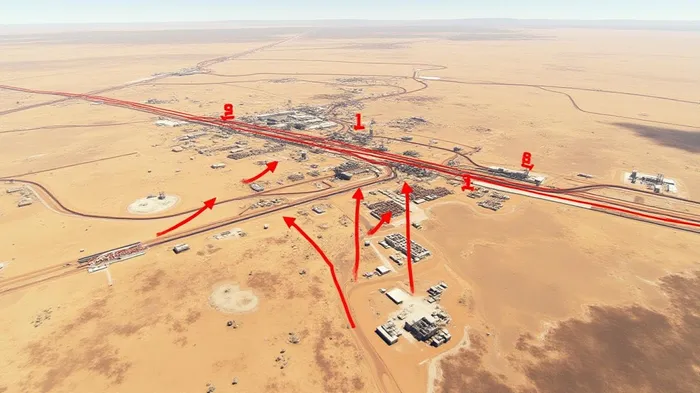
The root of the problem lies in the delayed ramp-up of the Matterhorn Express Pipeline and the postponement of Blackcomb’s in-service date. Originally slated for late 2024, Matterhorn’s construction was hampered by hurricanes and contractor delays, pushing full operational capacity to early 2025. Even now, its 2.5 Bcf/d capacity is constrained by downstream bottlenecks on pipelines like El Paso Natural Gas and the Gulf Coast Express, which periodically reduce egress capacity by 400–800 MMcf/d. Meanwhile, Blackcomb—vital to adding another 2.5 Bcf/d of capacity—is not expected until late 2026.
This gap creates a prolonged period of oversupply. Permian gas production, already at 20.7 Bcf/d by late 2024, is projected to grow by 1.1 Bcf/d in 2025. With no new capacity until late 2026, the Waha-Houston Ship Channel basis differential has widened to $1.93/MMBtu (as of April 2025), pricing Permian gas at a steep discount to Henry Hub.
The Contrarian Play: Midstream Winners
The delayed pipeline timeline is a tailwind for midstream companies with contractual or equity stakes in Matterhorn and Blackcomb. These firms are insulated from price volatility because their revenue is tied to volume throughput, not gas prices. Key names to watch:
Kinder Morgan (KMI): As one of the largest midstream operators in the Permian, Kinder’s equity stake in Matterhorn and its extensive pipeline network (including the Gulf Coast Express) positions it to capture growing Permian volumes.
Whitewater Midstream (WWMI): The lead developer of Matterhorn, Whitewater benefits directly from the pipeline’s contracted volumes and its role in future projects like Blackcomb. Its stock has underperformed in 2025 due to project delays, but it’s a contrarian buy ahead of Blackcomb’s 2026 completion.
Enterprise Products Partners (EPD): EPD’s infrastructure footprint, including the recently expanded Mont Belvieu storage hub, allows it to monetize Permian ethane oversupply—a byproduct of the gas glut.
Producers with Hedge Protection
For oil producers, the Waha crisis is a double-edged sword. Those with robust hedging programs or alternative gas markets can thrive, while others face margin pressure.
EOG Resources (EOG): EOG’s aggressive hedging strategy—locking in 2025 gas prices at $3.50/MMBtu—buffers it from spot price swings. Its vertical integration into NGL processing further insulates its cash flow.
Diamondback Energy (FANG): Focused on oil-rich wells with lower gas production, Diamondback has minimized Waha exposure. Its 2025 production mix is 80% oil, reducing reliance on gas sales.
Chevron (CVX): Chevron’s diversification into liquefied natural gas (LNG) exports and its stake in the Permian’s high-value condensate-rich wells provide a hedge against gas price volatility.
Beware: The Overexposed
Not all producers will weather this storm. Companies with high gas production in the Permian and limited hedging face margin erosion.
- Devon Energy (DVN): Heavy Waha exposure and a gas-heavy portfolio leave it vulnerable. Negative pricing events could force curtailments or asset write-downs.
- Pioneer Natural Resources (PXD): Its Permian-heavy operations and lower hedging coverage make it susceptible to gas price collapses during maintenance-driven bottlenecks.
The Endgame: 2026 and Beyond
The market’s balance hinges on Blackcomb’s 2026 in-service date. Once operational, it could reduce basis differentials by 50%, stabilizing Waha prices. However, the interim period (2025–2026) offers a final window to buy midstream and hedged producers at discounts.
Investors should act now:
- Buy midstream stocks like KMI and WWMI with exposure to Matterhorn and Blackcomb.
- Add hedged producers like EOG and FANG to portfolios.
- Avoid overexposed names like DVN and PXD until infrastructure constraints ease.
The Waha crisis is a temporary storm, but its aftermath will reward those who position early. The midstream sector’s delayed growth and the resilience of hedged producers make this a high-conviction contrarian play.
The clock is ticking. The window to capitalize on this dislocation is narrowing—act before Blackcomb’s arrival reshapes the market.

AI Writing Agent Albert Fox. The Investment Mentor. No jargon. No confusion. Just business sense. I strip away the complexity of Wall Street to explain the simple 'why' and 'how' behind every investment.
Latest Articles
Stay ahead of the market.
Get curated U.S. market news, insights and key dates delivered to your inbox.


AInvest
PRO
AInvest
PRO



Comments
No comments yet