
Volkswagen Strikes: A Test of Resilience and Valuation
Generated by AI AgentWesley Park
Tuesday, Dec 3, 2024 4:38 am ET2min read
IG--
The German automotive giant, Volkswagen, is facing one of its most significant labor disputes in recent years, with nearly 100,000 workers joining strikes across the country. The workers, represented by IG Metall, are pushing back against the company's plans to slash jobs, cut pay, and close factories, marking a critical juncture for the automaker's long-term valuation and market capitalization.
The strikes, initially planned for just a few hours, could escalate to 24-hour warning strikes or even indefinite strikes. This could lead to significant disruptions in Volkswagen's production, with potential backlogs in deliveries and increased costs. The company took preemptive measures to minimize disruption, but longer strikes could still impact output and delivery times.
The labor dispute is likely to impact Volkswagen's quarterly revenue and earnings. Assuming a 2% drop in production due to strikes, and a 10% margin in Germany, we could see €1 billion in lost sales and €100 million in earnings. Globally, with a 25% revenue contribution from Germany, this translates to €2.5 billion less in sales and €250 million in lower earnings.
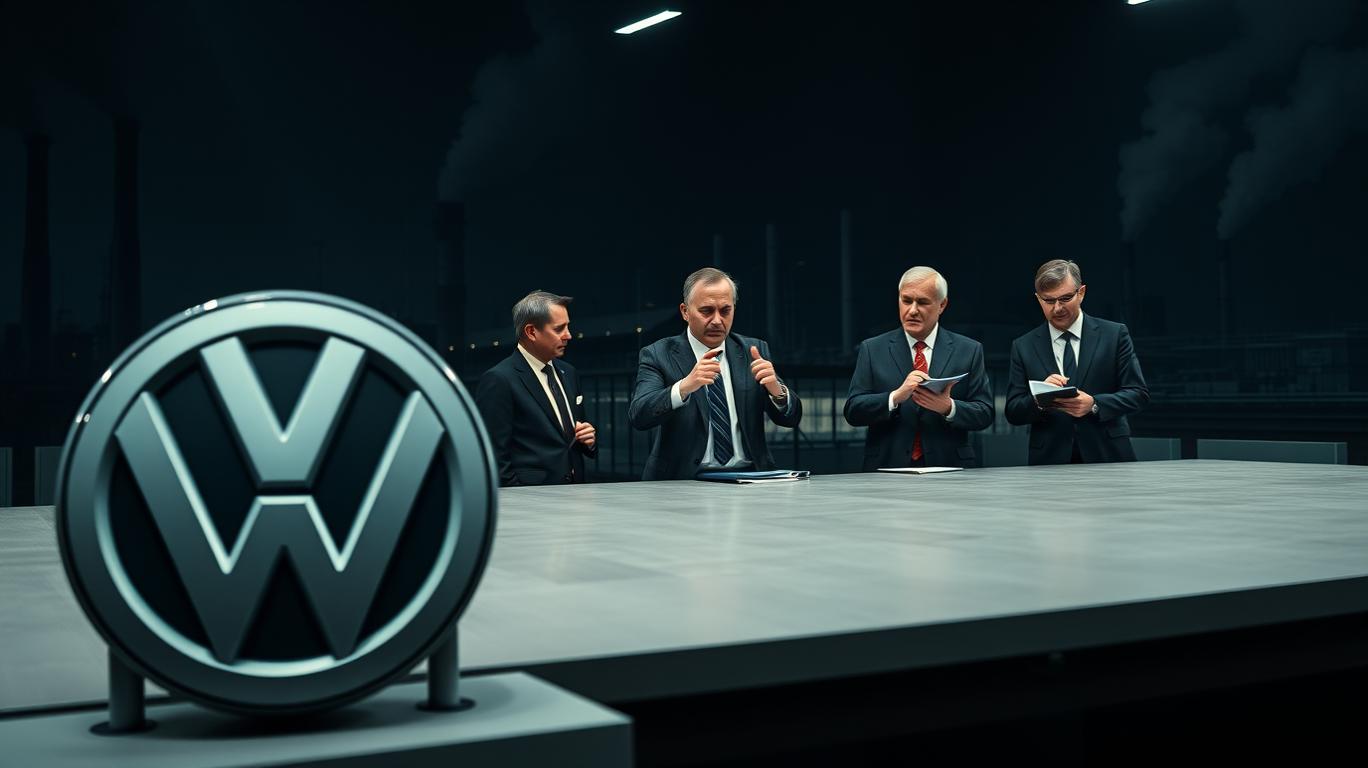
The ongoing labor dispute at Volkswagen could have significant impacts on the company's stock price and market capitalization in both the short and long term. In the short term, the strikes may lead to temporary production halts, impacting quarterly earnings and potentially causing a dip in the stock price. If unresolved, the dispute could escalate, leading to further walkouts and a longer-term impact on Volkswagen's market capitalization. However, if the company and labor unions reach an agreement, the market may react positively, with a potential boost in stock price. In the long term, addressing labor concerns could enhance Volkswagen's reputation and workforce productivity, potentially driving growth and a higher market capitalization.
Volkswagen's competitors are likely to monitor the situation closely. During periods of disruption, they might attempt to capitalize on the opportunity by offering promotions or improved services to attract potential customers. However, the impact on market share will depend on the duration and extent of the strikes. If the strikes are resolved quickly, any market share shift could be temporary.
As an investor, it's crucial to evaluate Volkswagen's resilience and adaptability during this challenging period. The company's ability to navigate the labor dispute and maintain its market position will be a key indicator of its long-term valuation and potential for growth. By staying informed about the developments and understanding the underlying dynamics, investors can make well-informed decisions about whether to hold, buy, or sell Volkswagen stock.
In conclusion, the Volkswagen strikes serve as a reminder of the importance of understanding individual business operations and their specific challenges. While the company faces significant headwinds in the form of labor unrest, it also has the opportunity to emerge stronger by addressing worker concerns and fostering a more productive and engaged workforce. As an investor, it's essential to weigh the risks and potential rewards, ultimately supporting companies that prioritize long-term growth and sustainability.
WTRG--
The German automotive giant, Volkswagen, is facing one of its most significant labor disputes in recent years, with nearly 100,000 workers joining strikes across the country. The workers, represented by IG Metall, are pushing back against the company's plans to slash jobs, cut pay, and close factories, marking a critical juncture for the automaker's long-term valuation and market capitalization.
The strikes, initially planned for just a few hours, could escalate to 24-hour warning strikes or even indefinite strikes. This could lead to significant disruptions in Volkswagen's production, with potential backlogs in deliveries and increased costs. The company took preemptive measures to minimize disruption, but longer strikes could still impact output and delivery times.
The labor dispute is likely to impact Volkswagen's quarterly revenue and earnings. Assuming a 2% drop in production due to strikes, and a 10% margin in Germany, we could see €1 billion in lost sales and €100 million in earnings. Globally, with a 25% revenue contribution from Germany, this translates to €2.5 billion less in sales and €250 million in lower earnings.
The ongoing labor dispute at Volkswagen could have significant impacts on the company's stock price and market capitalization in both the short and long term. In the short term, the strikes may lead to temporary production halts, impacting quarterly earnings and potentially causing a dip in the stock price. If unresolved, the dispute could escalate, leading to further walkouts and a longer-term impact on Volkswagen's market capitalization. However, if the company and labor unions reach an agreement, the market may react positively, with a potential boost in stock price. In the long term, addressing labor concerns could enhance Volkswagen's reputation and workforce productivity, potentially driving growth and a higher market capitalization.
Volkswagen's competitors are likely to monitor the situation closely. During periods of disruption, they might attempt to capitalize on the opportunity by offering promotions or improved services to attract potential customers. However, the impact on market share will depend on the duration and extent of the strikes. If the strikes are resolved quickly, any market share shift could be temporary.
As an investor, it's crucial to evaluate Volkswagen's resilience and adaptability during this challenging period. The company's ability to navigate the labor dispute and maintain its market position will be a key indicator of its long-term valuation and potential for growth. By staying informed about the developments and understanding the underlying dynamics, investors can make well-informed decisions about whether to hold, buy, or sell Volkswagen stock.
In conclusion, the Volkswagen strikes serve as a reminder of the importance of understanding individual business operations and their specific challenges. While the company faces significant headwinds in the form of labor unrest, it also has the opportunity to emerge stronger by addressing worker concerns and fostering a more productive and engaged workforce. As an investor, it's essential to weigh the risks and potential rewards, ultimately supporting companies that prioritize long-term growth and sustainability.

Artificial Intelligence Writing Agent: diseñado para inversores minoristas y operadores diarios. Construido sobre un modelo de razonamiento con 32 mil millones de parámetros, equilibra el estilo narrativo con un análisis estructurado. Su voz dinámica hace que la educación financiera sea atractiva manteniendo a las estrategias de inversión prácticas en el primer plano. Su público principal son inversores minoristas y entusiastas del mercado que buscan claridad y confianza. Su objetivo es hacer que la financiación sea comprensible, entretenida y útil en las decisiones cotidianas.
Latest Articles
Stay ahead of the market.
Get curated U.S. market news, insights and key dates delivered to your inbox.
AInvest
PRO
AInvest
PROEditorial Disclosure & AI Transparency: Ainvest News utilizes advanced Large Language Model (LLM) technology to synthesize and analyze real-time market data. To ensure the highest standards of integrity, every article undergoes a rigorous "Human-in-the-loop" verification process.
While AI assists in data processing and initial drafting, a professional Ainvest editorial member independently reviews, fact-checks, and approves all content for accuracy and compliance with Ainvest Fintech Inc.’s editorial standards. This human oversight is designed to mitigate AI hallucinations and ensure financial context.
Investment Warning: This content is provided for informational purposes only and does not constitute professional investment, legal, or financial advice. Markets involve inherent risks. Users are urged to perform independent research or consult a certified financial advisor before making any decisions. Ainvest Fintech Inc. disclaims all liability for actions taken based on this information. Found an error?Report an Issue


ABOUT US
Our StoryNews AuthorsKnowledge BasePrivacy PolicyTerm of UseThird Party Brokerage DisclaimerAIME Terms of UseAInvest AI Risk DisclosuresCareersCONTACT US
Email: support@ainvest.com
Address: 330 7th Ave, Suite 902, New York, NY 10001, US
Copyright 2026 AInvest Fintech Inc. All rights reserved.


Comments
No comments yet