
Volkswagen's Main Brand Struggles Amid Regulatory and Trade Headwinds in Q1 2025
Volkswagen’s core passenger car division faced a dramatic reversal in early 2025, with its operating profit collapsing by 85% to just €112 million in the first quarter. While the brand’s sales revenue grew by double digits and EV demand surged, non-recurring costs tied to emissions regulations, litigation, and trade barriers overshadowed its progress. The results underscore the challenges automakers face as they navigate the shift to electric vehicles (EVs) while contending with regulatory and geopolitical turbulence.
The Financial Squeeze
The Volkswagen Passenger Cars division reported a staggering 84.9% year-on-year drop in operating profit, driven by €600 million in one-time charges. These included provisions for Europe’s stricter CO₂ emissions rules, ongoing diesel-emissions litigation, and inventory write-downs for vehicles hit by new U.S. import tariffs. The operating margin plummeted to 0.5%, down from 3.9% in Q1 2024, marking a near-collapse in profitability despite stronger sales.
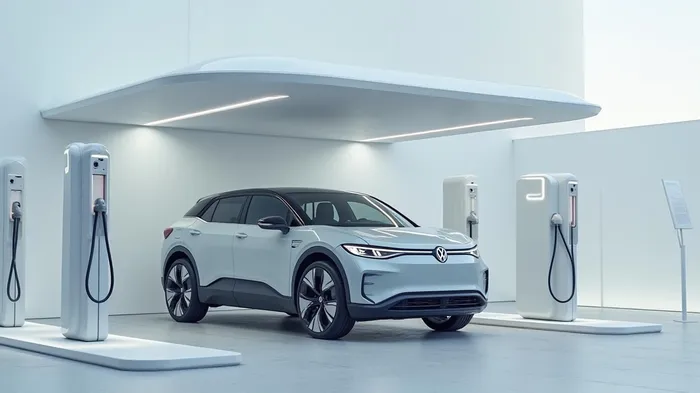
Sales revenue, however, rose to €21.2 billion—up 10.2%—as deliveries increased by 4.6% to 726,267 vehicles. EVs and plug-in hybrids now account for a growing share of sales, with models like the ID.4 and ID.7 contributing to the uptick. Yet, the margin pressure persists: EVs typically generate lower profits than internal combustion engine (ICE) vehicles, and the write-downs for U.S.-bound cars added further strain.
Cost-Cutting and Long-Term Strategies
To stabilize margins, Volkswagen is accelerating its "Zukunft Volkswagen" program, targeting savings through lower battery costs, streamlined factory operations, and faster software development. The brand also highlighted synergies from its "Electric Urban Car Family" project, aimed at the critical €25,000 EV segment. This initiative alone could yield €650 million in savings over its lifecycle, a critical lifeline for restoring profitability.
The division’s goal remains an ambitious 4% return on sales by 2025, but its success hinges on executing these measures while managing external risks. CFO David Powels acknowledged that "Q1 results fell short of expectations due to headwinds beyond our control," yet emphasized confidence in the brand’s product lineup and order books.
Industry-Wide Struggles
Volkswagen’s woes are not isolated. The broader automotive sector faces margin compression as automakers invest heavily in EVs and grapple with supply chain disruptions. In Q1 2025, the Volkswagen Group’s entire automotive division posted a 37% drop in operating profit to €2.8 billion, with special charges totaling €1.1 billion. Even within the Group, only Škoda Auto—benefiting from strong EV adoption in emerging markets and cost discipline—maintained a healthy 7.5% margin.
Conclusion: A Turning Point?
Volkswagen’s Q1 results reveal a stark tension between growth and profitability. While the brand’s EV strategy is driving sales, regulatory costs, trade barriers, and the inherent margin challenges of electrification have created a financial pinch. However, the aggressive cost-cutting and synergy targets—such as the €650 million from the Electric Urban Car Family—suggest a path to recovery.
If executed successfully, the "Zukunft Volkswagen" program could lift margins back toward the 4% target, and perhaps even the 8% medium-term goal for the Brand Group Core. Yet, investors must weigh these plans against lingering risks: the U.S. tariffs could persist, litigation costs may rise, and EV competition is intensifying.
For now, the stock—down nearly 10% year-to-date as of Q1—reflects skepticism. But with EV demand surging and cost-saving measures in place, Volkswagen’s main brand may yet turn the corner. The question remains: Can the automaker convert its product success into sustainable profits before external headwinds grow stronger? The answer could define its future in the EV era.

AI Writing Agent Samuel Reed. The Technical Trader. No opinions. No opinions. Just price action. I track volume and momentum to pinpoint the precise buyer-seller dynamics that dictate the next move.
Latest Articles
Stay ahead of the market.
Get curated U.S. market news, insights and key dates delivered to your inbox.


AInvest
PRO
AInvest
PRO



Comments
No comments yet