
VIX Volatility Spikes: What This Means for Investor Strategy in 2026
 Aime Summary
- , .
- Historical data shows that large three-day VIX spikes have historically been followed by positive long-term market returns.
- The VIX is now serving as a key signal for investors to reassess risk, hedge positions, and identify potential opportunities in the current uncertain market environment.
The VIX, , . With oil prices surging and global markets reacting to the potential for prolonged conflict, the VIX has become a focal point for market strategists and investors trying to make sense of the next moves in the equity markets.
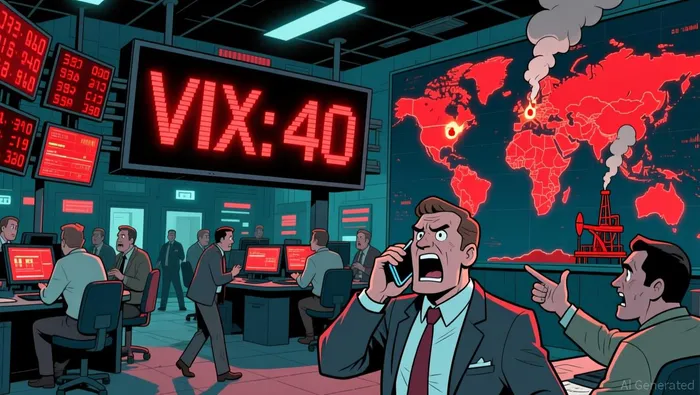
Investors are watching closely as volatility spikes like this are not just isolated events—they often serve as early warning signs. , Chief Markets Strategist at Creative Planning, , . That means while the near term may be rocky, the long term could be more favorable for those who remain disciplined.
Why Is the VIX Spiking Now and What Does It Mean for Long-Term Returns?
The VIX is currently elevated due to the ongoing conflict between U.S.-backed forces in Israel and Iran. Fears of a prolonged war and energy supply disruptions have caused oil prices to rise sharply, triggering a flight to safety in the bond markets and a shift toward defensive assets like gold and U.S. Treasuries. This has led to heightened volatility in global equity markets, .
For investors, this means short-term uncertainty is high, but history suggests there may be a relief rally in the long term if tensions ease. The key is to stay disciplined and avoid making knee-jerk decisions. As Bilello points out, volatility is a tradable asset in its own right, and there are tools available to hedge or profit from these swings, such as VIX ETFs like VIXYVIXY--, VIXM, and UVXY.
What Should Investors Do If the VIX Remains High in 2026?
With the VIX at its highest level since October 2025, it's a signal that investors are pricing in significant uncertainty. This doesn't necessarily mean a market crash is imminent, but it does suggest that risk assets are being discounted more heavily. In such environments, investors should consider reducing exposure to equities, increasing cash positions, or hedging with volatility products or high-quality fixed-income assets.
Fixed-income investments, for instance, are seeing renewed interest as markets shift away from riskier assets. of Aditya Birla Sun Life AMC notes that during times of geopolitical uncertainty, investors tend to prefer safer assets like bonds and gold. This has led to a relative outperformance of fixed-income products compared to equities. However, investors should also consider the interest rate cycle and credit risk when allocating to bonds.
The Federal Reserve has also been adjusting its expectations in response to the current volatility. Originally positioned to cut rates in 2026, the Fed now faces uncertainty due to the inflationary pressures caused by surging oil prices. Analysts are closely watching how the situation in the Middle East develops and whether it leads to a prolonged energy crisis that could delay any rate cuts.
What to Watch Next: VIX Trends, Geopolitical Resolutions, and Market Sentiment
The next few weeks will be critical in determining how long the VIX remains elevated. If tensions in the Middle East begin to de-escalate and oil prices stabilize, we could see a relief rally in global equities. However, if the conflict continues and oil prices remain elevated, the VIX could remain high for months, prolonging the period of market unease.
Investors should also keep an eye on the U.S. dollar, which has strengthened as a result of the uncertainty. A stronger dollar can put pressure on emerging markets and increase the cost of debt for countries reliant on dollar financing. This could lead to further volatility in global bond and currency markets.
Lastly, the VIX is not the only signal to watch. Other indicators like bond yields, gold prices, and corporate bond spreads are also flashing warning signs. If the VIX remains high but these other indicators begin to normalize, it may suggest that the market is beginning to price in a resolution to the current crisis.
As the market navigates this volatile period, it's important for investors to stay informed and avoid panic selling. While the VIX is a powerful tool for gauging market sentiment, it's just one piece of the puzzle. Diversification, disciplined asset allocation, and a focus on long-term goals remain essential in navigating uncertain times.

Stay ahead of the market.
Get curated U.S. market news, insights and key dates delivered to your inbox.
AInvest
PRO
AInvest
PRO



Comments
No comments yet