
Using the VIX to Navigate Low Liquidity and Market Volatility
 Aime Summary
Understanding market volatility and liquidity is crucial for investors, especially during uncertain times. One powerful tool to gauge market sentiment is the VIX, often called the 'fear gauge.' This article explains how the VIX works, how it interacts with liquidity and volatility, and how investors can use it to make smarter decisions.
What is the VIX?
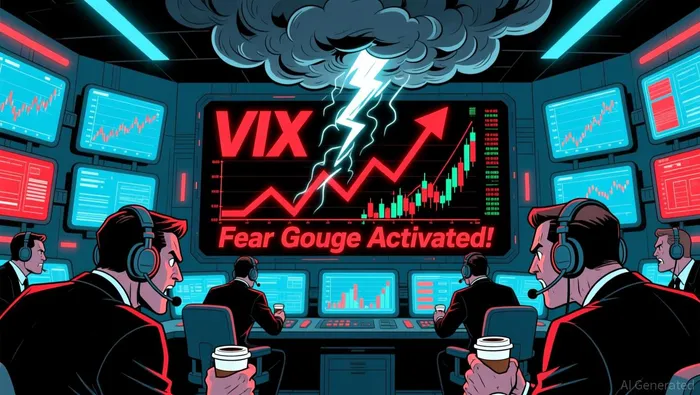
The VIX (CBOE Volatility Index) measures the market’s expectation of future volatility over the next 30 days. It’s calculated using the prices of S&P 500 index options. A high VIX (e.g., above 30) signals investor fear or uncertainty, while a low VIX (below 20) suggests complacency. Think of it as a weather forecast for the stock market: calm skies (low VIX) or a storm (high VIX).
Why It Matters for Liquidity
Liquidity refers to how easily assets can be bought or sold without drastically affecting their price. During periods of high VIX, liquidity often dries up as traders become risk-averse. For example, in March 2020, the VIX spiked to 82.69 during the pandemic panic. At the same time, markets saw 'negative yields' on Treasury bonds and wild price swings, showing how fear can disrupt normal trading.
Strategies for Investors
- Hedging with Options: When the VIX rises, consider buying put options (insurance against market drops). For instance, in 2020, investors who hedged before the VIX surge protected their portfolios from steep losses.
- Adjusting Portfolio Allocation: A high VIX may signal a shift to cash, bonds, or defensive stocks. Conversely, a low VIX might be a time to add quality growth stocks.
- Monitoring Liquidity Risks: Use the VIX as a red flag for potential liquidity crunches. If the VIX spikes, avoid illiquid assets like small-cap stocks or leveraged ETFs until conditions stabilize.
Case Study: The 2020 Market Crash
In February 2020, the VIX was around 20—seeming calm. But as the pandemic spread, it exploded to 82.69 in March. This surge coincided with a liquidity crisis: trading volumes plummeted, and even blue-chip stocks saw massive price gaps. Investors who recognized the VIX’s rise earlier could have adjusted their strategies, such as by reducing exposure to high-risk assets or using hedging tools.
Risks and Considerations
While the VIX is valuable, it’s not foolproof. A high VIX doesn’t always mean a crash—it could reflect temporary uncertainty (e.g., earnings reports). Similarly, a low VIX doesn’t guarantee stability. Combine it with other indicators like economic data and company fundamentals. Also, avoid chasing 'fear trades' without a plan; overreacting can lead to costly mistakes.
Key Takeaways
- The VIX is a barometer for market fear and potential volatility.
- High VIX levels often signal liquidity risks, prompting defensive strategies.
- Use the VIX as part of a broader toolkit, not a standalone signal.
- Real-world events like the 2020 crash show how the VIX can guide decisions during crises.
By understanding the VIX and its relationship with liquidity, investors can better navigate turbulent markets and protect their portfolios from unexpected shocks.

Stay ahead of the market.
Get curated U.S. market news, insights and key dates delivered to your inbox.






Comments
No comments yet