
Using the VIX to Anticipate Market Volatility and Protect Portfolios
 Aime Summary
Understanding the VIX: Your Market Weather Forecast
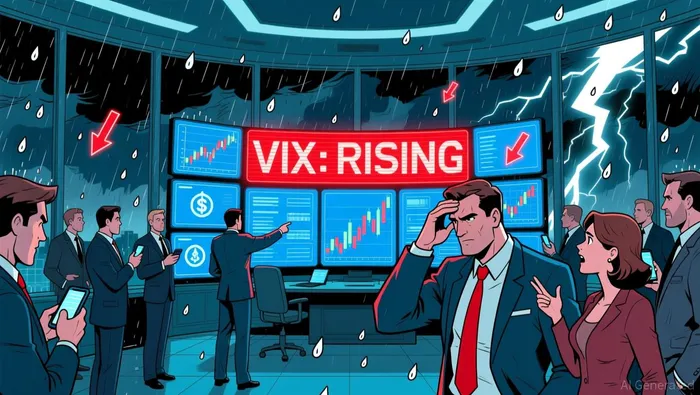
The VIX, often called the 'Fear Gauge,' is a key tool for investors to anticipate market volatility. It measures the expected volatility of the S&P 500 index over the next 30 days, derived from options prices. Think of it as a weather forecast for the stock market: when the VIX rises, it signals investor anxiety; when it drops, complacency sets in. Understanding this metric can help investors prepare for market swings and protect their portfolios.
How the VIX Works
The VIX is calculated using the prices of S&P 500 options. Options are contracts that give investors the right to buy or sell stocks at a set price. When investors fear a market drop, they pay more for 'put' options (which act like insurance), driving up the VIX. Conversely, when optimism grows, the VIX falls. Historically, a VIX above 20 signals high volatility, while below 20 suggests calm. For example, during the 2008 financial crisis, the VIX spiked to over 80, reflecting extreme panic.
Strategies to Use the VIX
Hedging with Options: When the VIX rises, consider buying put options to protect against potential losses. This is like purchasing insurance for your portfolio. For instance, if the VIX climbs above 30, a moderate hedge might be appropriate.
Inverse VIX ETFs: These funds rise when the VIX falls, allowing investors to profit from calm markets. However, they can be volatile and are best suited for short-term use.
Adjusting Portfolio Allocation: A high VIX might prompt shifting to defensive stocks (e.g., utilities or healthcare) or increasing cash reserves. Conversely, a low VIX could signal a good time to rebalance into growth assets.
Case Study: The VIX in Action
In March 2020, the VIX surged to 82.69 as the pandemic caused global markets to plunge. Investors who monitored the VIX and recognized the spike could have implemented protective measures. For example, an investor holding $100,000 in stocks might have bought put options or moved part of their portfolio into Treasury bonds. By April 2020, as the VIX dropped to 30, those who remained invested benefited from the market rebound. This example shows how the VIX can guide timing decisions.
Risks and Considerations
While the VIX is a powerful tool, it is not a crystal ball. A high VIX does not guarantee a crash, just that investors are fearful. Similarly, a low VIX does not ensure stability. Over-reliance on the VIX can lead to missed opportunities or panic-driven decisions. Investors should combine it with other indicators, such as economic data or company fundamentals. Additionally, hedging strategies can be costly, so weigh the potential benefits against expenses like option premiums.
Key Takeaways
- The VIX helps gauge investor sentiment and anticipate market turbulence.
- Use it to adjust your portfolio, hedge risks, or time strategic moves.
- Always pair the VIX with broader research and a diversified strategy.
- Remember that volatility is normal—prepare for it, but avoid overreacting.
By understanding the VIX, investors gain a valuable tool to navigate uncertainty. Like a weather forecast, it helps you prepare for storms without letting fear dictate every decision. Stay informed, stay flexible, and let the VIX be one of many guides on your investment journey.

Stay ahead of the market.
Get curated U.S. market news, insights and key dates delivered to your inbox.


AInvest
PRO
AInvest
PRO



Comments
No comments yet