
VivoSim Labs Emerges from Stealth Mode to Disrupt $10B Animal Testing Market
ByAinvest
Thursday, Apr 24, 2025 8:11 am ET1min read
VIVS--
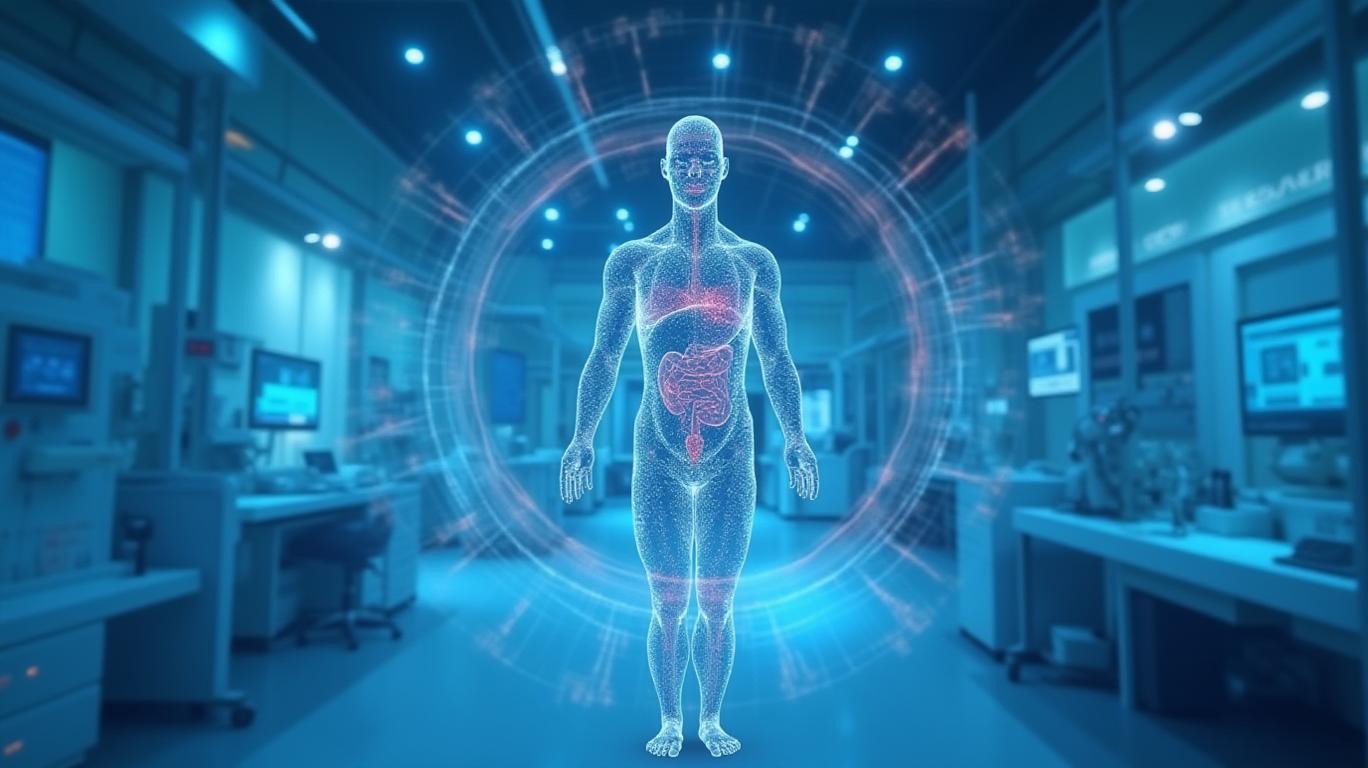
The FDA's initiative to reduce animal testing marks a paradigm shift in drug evaluation. By leveraging AI-based computational modeling and human organ model-based lab testing, the FDA aims to accelerate the development of safer treatments. VivoSim's technology focuses on liver and intestinal toxicology, utilizing physical organoid wet lab models created from human donor cells, combined with AI-driven predictions for liver toxicity, intestinal toxicity, and permeability [2].
VivoSim's models have demonstrated impressive correlation rates with known clinical failures, projecting a 50% reduction in clinical trial failures due to liver toxicity. The company's technology is designed to provide more predictive and ethically sound methods, disrupting the $10B animal testing market. By reducing drug development costs per approved drug by 50%, VivoSim aims to transform the industry [2].
The FDA's ambitious goals to phase out animal testing requirements create a significant opportunity for VivoSim. The company's proprietary methods and cutting-edge capabilities for NAMkind models aim to displace animal use and provide superior outcomes for pharmaceutical customers. VivoSim's technology can help reduce drug development costs and enhance patient safety.
VivoSim's models include physical organoid wet lab models of liver and intestine made using cells from human donors. The company's AI models are trained on extensive proprietary data from these organoid models, providing richer insights than data from human clinical trials. This approach aims to address challenges in drug development, such as predicting liver toxicity and intestinal problems.
The FDA's push to phase out animal models is expected to provide a powerful accelerant for VivoSim's market adoption. The company's technology aligns with the FDA's vision of reducing animal use and accelerating cures for Americans. VivoSim is poised to deliver on this vision, using its proprietary methods and cutting-edge capabilities to provide better solutions for patients.
References:
[1] https://www.gurufocus.com/news/2790340/simulations-plus-supports-new-fda-roadmap-for-reducing-animal-testing-in-preclinical-safety-studies-slp-stock-news
[2] https://www.stocktitan.net/news/ONVO/vivo-sim-announces-emergence-from-stealth-mode-to-provide-mlcrm7s2euxs.html
VivoSim Labs, a biotech company, emerged from stealth mode to revolutionize drug discovery and development. The FDA has announced plans to phase out animal testing, which is expected to boost VivoSim's market adoption. The company offers liver and intestinal toxicology insights using its new approach methodologies (NAM) models. VivoSim's models are more predictive and ethically sound, disrupting a $10B animal testing market.
VivoSim Labs, a biotech company, has emerged from stealth mode to disrupt the drug development landscape. The company's entry coincides with the FDA's announcement to phase out animal testing requirements, which is expected to significantly boost VivoSim's market adoption. VivoSim offers liver and intestinal toxicology insights using its new approach methodologies (NAMs) models, aiming to reduce clinical trial failures and lower development costs.The FDA's initiative to reduce animal testing marks a paradigm shift in drug evaluation. By leveraging AI-based computational modeling and human organ model-based lab testing, the FDA aims to accelerate the development of safer treatments. VivoSim's technology focuses on liver and intestinal toxicology, utilizing physical organoid wet lab models created from human donor cells, combined with AI-driven predictions for liver toxicity, intestinal toxicity, and permeability [2].
VivoSim's models have demonstrated impressive correlation rates with known clinical failures, projecting a 50% reduction in clinical trial failures due to liver toxicity. The company's technology is designed to provide more predictive and ethically sound methods, disrupting the $10B animal testing market. By reducing drug development costs per approved drug by 50%, VivoSim aims to transform the industry [2].
The FDA's ambitious goals to phase out animal testing requirements create a significant opportunity for VivoSim. The company's proprietary methods and cutting-edge capabilities for NAMkind models aim to displace animal use and provide superior outcomes for pharmaceutical customers. VivoSim's technology can help reduce drug development costs and enhance patient safety.
VivoSim's models include physical organoid wet lab models of liver and intestine made using cells from human donors. The company's AI models are trained on extensive proprietary data from these organoid models, providing richer insights than data from human clinical trials. This approach aims to address challenges in drug development, such as predicting liver toxicity and intestinal problems.
The FDA's push to phase out animal models is expected to provide a powerful accelerant for VivoSim's market adoption. The company's technology aligns with the FDA's vision of reducing animal use and accelerating cures for Americans. VivoSim is poised to deliver on this vision, using its proprietary methods and cutting-edge capabilities to provide better solutions for patients.
References:
[1] https://www.gurufocus.com/news/2790340/simulations-plus-supports-new-fda-roadmap-for-reducing-animal-testing-in-preclinical-safety-studies-slp-stock-news
[2] https://www.stocktitan.net/news/ONVO/vivo-sim-announces-emergence-from-stealth-mode-to-provide-mlcrm7s2euxs.html
Stay ahead of the market.
Get curated U.S. market news, insights and key dates delivered to your inbox.
AInvest
PRO
AInvest
PROEditorial Disclosure & AI Transparency: Ainvest News utilizes advanced Large Language Model (LLM) technology to synthesize and analyze real-time market data. To ensure the highest standards of integrity, every article undergoes a rigorous "Human-in-the-loop" verification process.
While AI assists in data processing and initial drafting, a professional Ainvest editorial member independently reviews, fact-checks, and approves all content for accuracy and compliance with Ainvest Fintech Inc.’s editorial standards. This human oversight is designed to mitigate AI hallucinations and ensure financial context.
Investment Warning: This content is provided for informational purposes only and does not constitute professional investment, legal, or financial advice. Markets involve inherent risks. Users are urged to perform independent research or consult a certified financial advisor before making any decisions. Ainvest Fintech Inc. disclaims all liability for actions taken based on this information. Found an error?Report an Issue


ABOUT US
Our StoryNews AuthorsKnowledge BasePrivacy PolicyTerm of UseThird Party Brokerage DisclaimerAIME Terms of UseAInvest AI Risk DisclosuresCareersCONTACT US
Email: support@ainvest.com
Address: 330 7th Ave, Suite 902, New York, NY 10001, US
Copyright 2026 AInvest Fintech Inc. All rights reserved.


Comments
No comments yet