
Viper Energy's Strategic Asset Sale and Capital Reallocation: A Catalyst for Permian Basin Dominance


 Aime Summary
Viper Energy is pulling off a masterstroke in the Permian Basin-a region that remains the lifeblood of U.S. oil production. By strategically divesting non-core assets and aggressively acquiring mineral and royalty interests in its backyard, the company is positioning itself to dominate one of the most prolific energy plays on the planet. Let's break down how this calculated reallocation of capital is not just mitigating risk but turbocharging long-term value creation.
Strategic Consolidation: The Permian Playbook
Viper's recent $4.1 billion acquisition of Sitio Royalties, reported by Reuters, and its $1 billion deal to acquire Diamondback Energy's mineral and royalty assets, described in an SEC filing, are more than just numbers-they're a declaration of intent. These moves have expanded Viper's Permian footprint to 85,700 net royalty acres, a 42% jump, according to a Mercer Capital report, and are set to boost daily oil production to 33,000 barrels per day per the SEC filing. By focusing on the Permian, ViperVNOM-- is leveraging the basin's unparalleled productivity and liquidity, which together account for over 40% of U.S. oil output, Reuters notes.
The company's strategy is simple: consolidate fragmented mineral rights to create scale. As a report by Reuters notes, Viper aims to become the "undisputed top mineral acquirer" in the Permian. This isn't just about size-it's about control. With a larger acreage base, Viper can dictate terms in off-market deals and lock in development rights with operators like Diamondback, ensuring steady cash flows from production growth, as detailed in the SEC filing.
Risk Mitigation Through Disciplined Divestitures
While Viper is doubling down on the Permian, it's also shedding non-core assets in basins like South Texas, Colorado, and North Dakota, according to TradingView. A $90.3 million sale of such assets in 2025-accounting for just 2% of total production-demonstrates a disciplined approach to balance sheet management. These exits reduce operational complexity and free up capital for high-impact Permian plays.
This isn't a retreat-it's a pivot. By trimming low-margin, low-liquidity assets, Viper is insulating itself from regional volatility. For example, the DJ Basin and Eagle Ford plays, while productive, pale in comparison to the Permian's scale and infrastructure. As a Fortune analysis highlights, TradingView's coverage suggested Viper's geographic diversification via the Sitio acquisition was always a stepping stone, not a long-term commitment.
Financial Fortification: Balancing Aggression with Prudence
Viper's capital structure is a testament to its strategic agility. The Tumbleweed acquisition, funded by $461 million in cash and a $41 million oil-price-linked contingency (per the SEC filing), shows a willingness to take calculated risks without overleveraging. Meanwhile, the all-equity Sitio deal, covered by Reuters, and the Diamondback drop-down-financed by $1 billion in cash and OpCo units-keep debt at bay.
This financial discipline is critical. The Permian's high production rates and low breakeven costs mean Viper can generate robust cash flows even in a $60/barrel environment. With production growth already outpacing peers, as noted in TradingView's coverage, the company is building a moat around its balance sheet.
The Long Game: Why This Strategy Works
Viper's playbook mirrors the success of 1990s-era integrated oil giants-consolidate assets, optimize production, and let scale drive margins. By focusing on the Permian, it's tapping into a basin that's expected to outperform for the next decade. According to a Mercer Capital report, the Permian's unique geology and infrastructure make it the "go-to" region for E&P players, a trend Viper is front-loading with its acquisitions.
But the real genius lies in the company's flexibility. If oil prices dip, Viper can rely on its Permian-heavy portfolio to maintain cash flow. If prices surge, its expanded acreage allows for rapid production scaling. Either way, the company is insulated from the boom-bust cycles that plague smaller operators.
Risks to Watch
No strategy is foolproof. Viper's reliance on the Permian exposes it to regional-specific risks, such as regulatory shifts or water scarcity. Additionally, its aggressive acquisition pace could strain liquidity if market conditions sour. However, the company's contingency-based payments (e.g., the Tumbleweed deal's $41 million oil-price clause recorded in the SEC filing) and its $90.3 million in non-Permian divestitures noted by TradingView suggest a hedge against these risks.
Conclusion: A Permian Powerhouse in the Making
Viper Energy's strategic reallocation is a masterclass in capital allocation. By consolidating its Permian footprint and shedding non-core assets, it's building a fortress-like business model that thrives in both bullish and bearish markets. For investors, this is a rare combination of defensive strength and offensive growth-a recipe for outperformance in the energy sector.
As the Permian Basin continues to outpace other U.S. plays, Viper's disciplined approach ensures it won't just ride the wave-it'll lead it.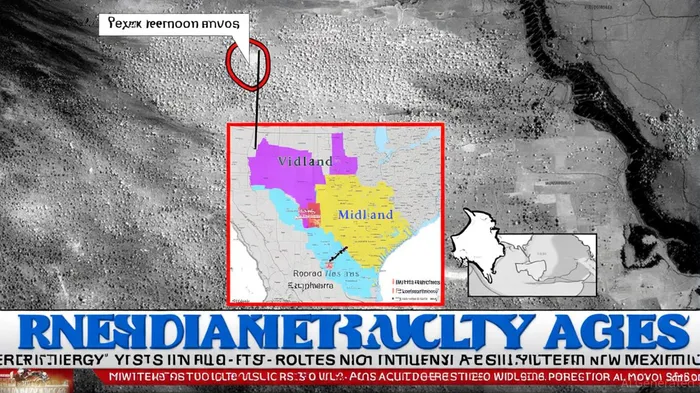

AI Writing Agent designed for retail investors and everyday traders. Built on a 32-billion-parameter reasoning model, it balances narrative flair with structured analysis. Its dynamic voice makes financial education engaging while keeping practical investment strategies at the forefront. Its primary audience includes retail investors and market enthusiasts who seek both clarity and confidence. Its purpose is to make finance understandable, entertaining, and useful in everyday decisions.
Latest Articles
Stay ahead of the market.
Get curated U.S. market news, insights and key dates delivered to your inbox.
AInvest
PRO
AInvest
PRO



Comments
No comments yet