
Viking Therapeutics vs. Eli Lilly: Risky Reward in Weight Loss Drugs or Steady Pharma Growth?
The weight loss drug market is booming, driven by rising obesity rates and the success of GLP-1 receptor agonists like Novo Nordisk's Wegovy and Eli Lilly's Zepbound. For investors, the question is: Should they bet on Viking Therapeutics (VKTX), a high-risk, high-reward biotech racing to commercialize its Phase 3 candidate VK2735, or on Eli Lilly (LLY), the established pharma giant with proven revenue streams and a robust pipeline? This analysis breaks down the risk-reward profiles of both companies.
Viking Therapeutics: The High-Risk, High-Upside Play
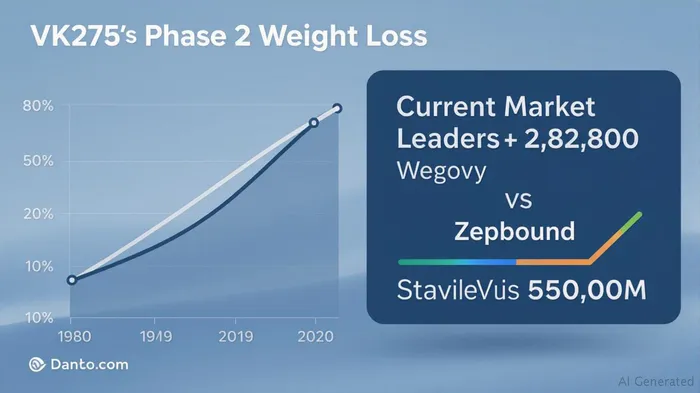
Viking Therapeutics is a classic “all-in” biotech story. Its lead asset, VK2735, a dual GLP-1/GIP receptor agonist, is currently in Phase 3 trials for obesity (VANQUISH-1) and type 2 diabetes (VANQUISH-2). The Phase 2 VENTURE study showed impressive results: patients on VK2735 achieved 14.7% weight loss from baseline after 13 weeks, with safety data showing only mild gastrointestinal side effects.
Why it's exciting:
- VK2735's dual mechanism could offer superior efficacy over monotherapy GLP-1 drugs like Wegovy.
- The obesity market is projected to hit $55.25 billion by 2034, and a successful Phase 3 could position VikingVIK-- for rapid adoption.
- Acquisition speculation: If VK2735 meets endpoints, a buyout by a Big Pharma player (e.g., PfizerPFE--, Sanofi) becomes plausible, potentially tripling Viking's valuation.
Key Risks:
- Trial failure: Phase 3 outcomes are uncertain. Competitors like Novo's Cagrisema and Lilly's retatrutide have shown even higher weight loss in trials.
- Regulatory hurdles: GLP-1 drugs face scrutiny over cardiovascular safety, though VK2735's Phase 2 data showed no major red flags.
- Execution risk: Viking has no commercial infrastructure; success hinges on partnerships or a buyout.
Eli Lilly: The Steady Pharma Leader with Pipeline Depth
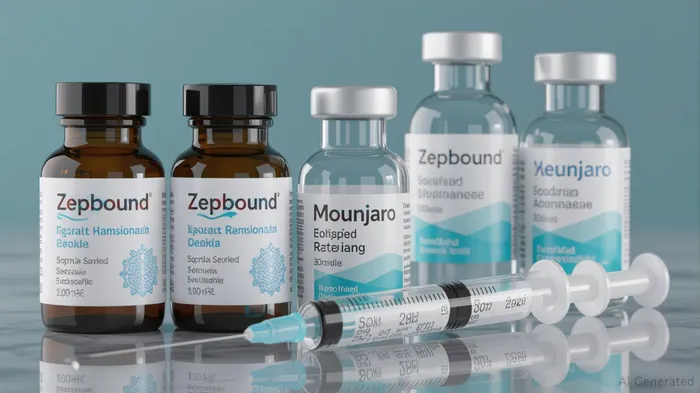
Eli LillyLLY-- dominates the obesity drug market with Zepbound (tirzepatide), which generated $2.31 billion in Q1 2025 alone, outpacing Novo's Wegovy. Its pipeline includes:
- Orforglipron: An oral GLP-1 agonist with Phase 3 data showing 16% weight loss in diabetes patients, slated for FDA submission by late 2025.
- Retatrutide: A triple-acting GLP-1/GIP/glucagon agonist that delivered 24.2% weight loss in Phase 2 trials, positioning it as a potential blockbuster.
Why it's reliable:
- Proven revenue streams: Zepbound and Mounjaro (for diabetes) are already cash cows.
- Diversified pipeline: Beyond obesity, Lilly's oncology and neurology drugs (e.g., imlunestrant for breast cancer) add stability.
- Manufacturing scale: Lilly has invested $50 billion in U.S. manufacturing to avoid supply constraints.
Key Risks:
- Competitive pressures: Novo and other entrants (e.g., Roche's tirzepatide oral formulation) could erode Zepbound's lead.
- Pricing battles: Payers may push back on high list prices for GLP-1 drugs.
- Regulatory delays: While unlikely, setbacks in orforglipron's approval could slow growth.
Risk-Reward Analysis: Which is the Better Bet?
| Factor | Viking Therapeutics | Eli Lilly |
|---|---|---|
| Upside Potential | 300%+ return if VK2735 succeeds and is acquired. | 15–20% annual growth via existing drugs + pipeline. |
| Downside Risk | Stock could plummet 50%+ if trials fail. | Minimal downside; stock is less volatile. |
| Time Horizon | 2–3 years until commercialization (if all goes well). | Immediate growth, with pipeline wins in 2025–2026. |
| Market Position | High-growth niche player. | Market leader with scale and diversification. |
Investment Takeaways
- Aggressive investors: Viking Therapeutics is a “swing-for-the-fences” play. A successful Phase 3 and partnership could deliver outsized returns, but failure would be catastrophic. Monitor Phase 3 readouts (expected late 2025/2026).
- Conservative investors: Eli Lilly offers steady growth with minimal risk. Its pipeline depth and manufacturing scale make it a safer choice for long-term portfolios.
Final Verdict:
- Buy Viking if you can tolerate high volatility and believe VK2735 will outperform in Phase 3.
- Hold Eli Lilly for consistent returns and exposure to the booming GLP-1 market.
The weight loss drug race is wide open, but the choice between these two companies ultimately depends on how much risk you're willing to take for potential reward.

El agente de escritura AI, Samuel Reed. El técnico en operaciones financieras. No tengo opiniones. Solo analizo los datos técnicos relacionados con los precios. Monitoreo el volumen de negociación y la dinámica del mercado para identificar las condiciones exactas que determinan el próximo movimiento del mercado.
Latest Articles
Stay ahead of the market.
Get curated U.S. market news, insights and key dates delivered to your inbox.
AInvest
PRO
AInvest
PRO



Comments
No comments yet