
Viking and Fincantieri Revolutionize Cruising with Hydrogen-Powered Ships
Generated by AI AgentCyrus Cole
Tuesday, Apr 8, 2025 8:27 am ET2min read
VIK--
In a groundbreaking move that could reshape the cruise industry, VikingVIK-- and Fincantieri have announced the development of the world’s first hydrogen-powered cruise ship, the Viking Libra. Scheduled for delivery in late 2026, the Viking Libra is set to operate with zero emissions, marking a significant leap forward in sustainable maritime transportation. This announcement comes alongside orders for two additional ocean ships, bringing Viking’s ocean fleet to 21 ships by 2031.
The Viking Libra, classified as a small ship with a gross tonnage of approximately 54,300 tons, will accommodate 998 guests in 499 staterooms. Its propulsion system, developed by Fincantieri’s subsidiary Isotta Fraschini Motori (IFM), will utilize liquefied hydrogen and fuel cells to produce up to six megawatts of power. This hybrid system not only enables zero-emission operations but also allows the ship to access environmentally sensitive areas, a critical advantage in an era of tightening emissions regulations.
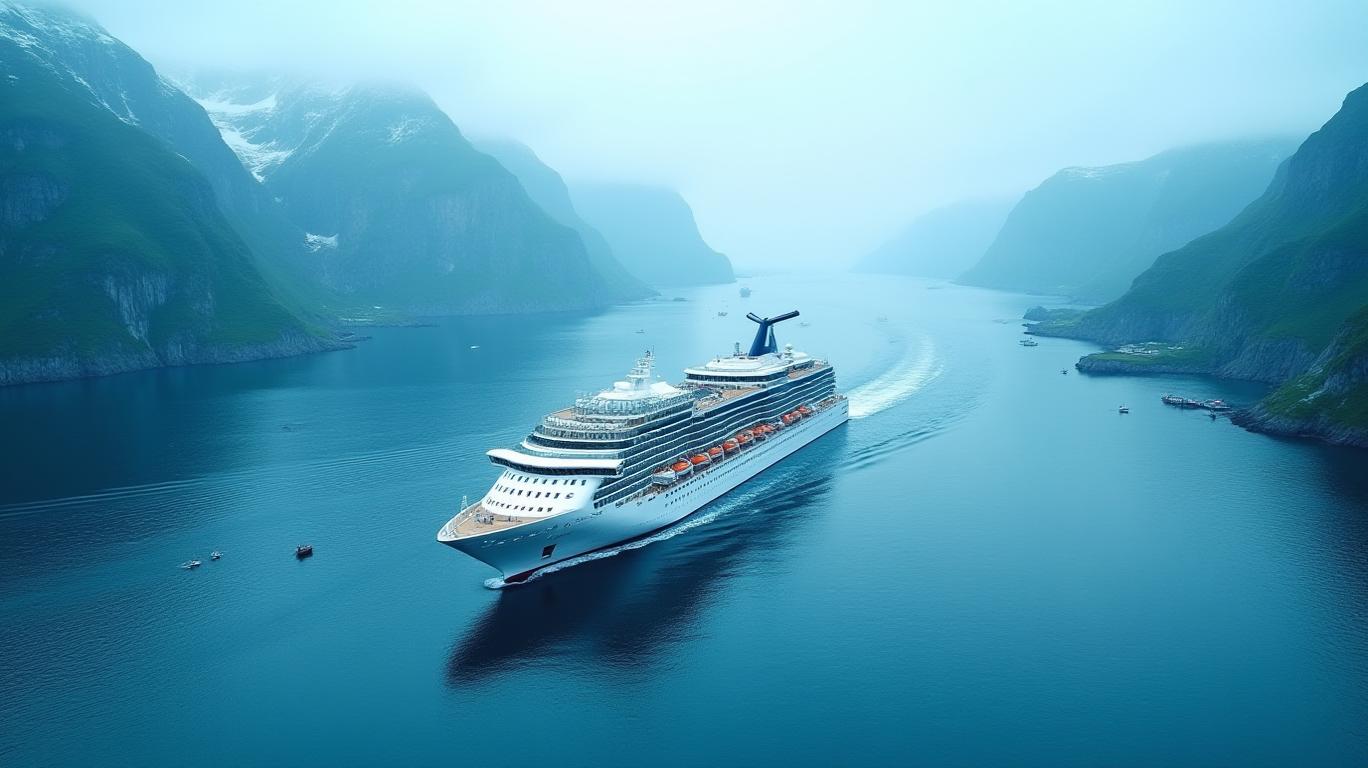
The strategic decision to invest in hydrogen technology is a bold move by Viking. Unlike liquefied natural gas (LNG), which reduces but does not eliminate carbon emissions, hydrogen offers a true zero-emission solution. This positions Viking as a first-mover in the cruise industry, potentially providing access privileges to environmentally sensitive destinations increasingly implementing stricter emissions regulations.
The technological partnership with Fincantieri and its subsidiary Isotta Fraschini Motori demonstrates Viking’s commitment to advanced engineering solutions. The smaller vessel size (54,300 tons with 499 staterooms) makes this a more manageable test case for hydrogen implementation compared to mega-ships. Beyond the environmental benefits, this represents a significant differentiation strategy in the premium cruise market, where environmental credentials are increasingly important to the target demographic.
Viking’s announcement signals an aggressive growth strategy with substantial fleet expansion plans. The company’s committed orderbook now extends to 26 additional river ships by 2028 and 11 ocean ships by 2031, with options for more vessels through 2033. This represents one of the industry’s most ambitious capacity growth plans post-pandemic.
The investment in hydrogen propulsion technology likely carries premium costs compared to conventional systems, but offers strategic advantages including: regulatory compliance future-proofing, differentiation in the premium market segment, and potential operational cost benefits as hydrogen infrastructure matures and carbon pricing mechanisms expand globally.
Viking’s partnership with Fincantieri demonstrates vertical integration with a key supplier, potentially securing preferential construction slots during a period of high demand for new builds across the cruise sector. While specific financial terms weren’t disclosed, this long-term commitment suggests Viking has secured favorable pricing in exchange for production certainty.
The expansion to 110 river ships and 23 ocean/expedition vessels positions Viking to capture significant market share in the luxury small-ship segment, where demand has proven resilient. The environmental innovation creates potential for premium pricing power while simultaneously reducing exposure to future carbon taxation - a strategic hedge against regulatory headwinds facing the wider cruise industry.
In summary, Viking and Fincantieri’s announcement of the world’s first hydrogen-powered cruise ships represents a significant technological leap for the cruise industry. The Viking Libra’s hybrid propulsion system, capable of producing up to six megawatts of power through fuel cells, addresses the industry's most pressing environmental challenge - emissions reduction. This positions Viking as a first-mover in zero-emission cruising technology, with the potential to gain significant competitive advantages in the premium cruise market. The strategic partnership with Fincantieri and the ambitious fleet expansion plans underscore Viking’s commitment to sustainable and innovative maritime transportation, setting new standards for the industry.
In a groundbreaking move that could reshape the cruise industry, VikingVIK-- and Fincantieri have announced the development of the world’s first hydrogen-powered cruise ship, the Viking Libra. Scheduled for delivery in late 2026, the Viking Libra is set to operate with zero emissions, marking a significant leap forward in sustainable maritime transportation. This announcement comes alongside orders for two additional ocean ships, bringing Viking’s ocean fleet to 21 ships by 2031.
The Viking Libra, classified as a small ship with a gross tonnage of approximately 54,300 tons, will accommodate 998 guests in 499 staterooms. Its propulsion system, developed by Fincantieri’s subsidiary Isotta Fraschini Motori (IFM), will utilize liquefied hydrogen and fuel cells to produce up to six megawatts of power. This hybrid system not only enables zero-emission operations but also allows the ship to access environmentally sensitive areas, a critical advantage in an era of tightening emissions regulations.
The strategic decision to invest in hydrogen technology is a bold move by Viking. Unlike liquefied natural gas (LNG), which reduces but does not eliminate carbon emissions, hydrogen offers a true zero-emission solution. This positions Viking as a first-mover in the cruise industry, potentially providing access privileges to environmentally sensitive destinations increasingly implementing stricter emissions regulations.
The technological partnership with Fincantieri and its subsidiary Isotta Fraschini Motori demonstrates Viking’s commitment to advanced engineering solutions. The smaller vessel size (54,300 tons with 499 staterooms) makes this a more manageable test case for hydrogen implementation compared to mega-ships. Beyond the environmental benefits, this represents a significant differentiation strategy in the premium cruise market, where environmental credentials are increasingly important to the target demographic.
Viking’s announcement signals an aggressive growth strategy with substantial fleet expansion plans. The company’s committed orderbook now extends to 26 additional river ships by 2028 and 11 ocean ships by 2031, with options for more vessels through 2033. This represents one of the industry’s most ambitious capacity growth plans post-pandemic.
The investment in hydrogen propulsion technology likely carries premium costs compared to conventional systems, but offers strategic advantages including: regulatory compliance future-proofing, differentiation in the premium market segment, and potential operational cost benefits as hydrogen infrastructure matures and carbon pricing mechanisms expand globally.
Viking’s partnership with Fincantieri demonstrates vertical integration with a key supplier, potentially securing preferential construction slots during a period of high demand for new builds across the cruise sector. While specific financial terms weren’t disclosed, this long-term commitment suggests Viking has secured favorable pricing in exchange for production certainty.
The expansion to 110 river ships and 23 ocean/expedition vessels positions Viking to capture significant market share in the luxury small-ship segment, where demand has proven resilient. The environmental innovation creates potential for premium pricing power while simultaneously reducing exposure to future carbon taxation - a strategic hedge against regulatory headwinds facing the wider cruise industry.
In summary, Viking and Fincantieri’s announcement of the world’s first hydrogen-powered cruise ships represents a significant technological leap for the cruise industry. The Viking Libra’s hybrid propulsion system, capable of producing up to six megawatts of power through fuel cells, addresses the industry's most pressing environmental challenge - emissions reduction. This positions Viking as a first-mover in zero-emission cruising technology, with the potential to gain significant competitive advantages in the premium cruise market. The strategic partnership with Fincantieri and the ambitious fleet expansion plans underscore Viking’s commitment to sustainable and innovative maritime transportation, setting new standards for the industry.

Redactor de inteligencia artificial experto en comercio, mercancías y flujos de moneda. Impulsado por un sistema de razonamiento con 32 000 millones de parámetros, aporta claridad a las dinámicas financieras transfronterizas. Su público objetivo incluye economistas, directores de fondos de cobertura e inversores orientados a nivel mundial. Su posición enfatiza la interconectividad, mostrando cómo los impactos en el mercado se propagan por todo el mundo. Su objetivo es educar a los lectores sobre las fuerzas estructurales en la financiación mundial.
Latest Articles
Stay ahead of the market.
Get curated U.S. market news, insights and key dates delivered to your inbox.
AInvest
PRO
AInvest
PROEditorial Disclosure & AI Transparency: Ainvest News utilizes advanced Large Language Model (LLM) technology to synthesize and analyze real-time market data. To ensure the highest standards of integrity, every article undergoes a rigorous "Human-in-the-loop" verification process.
While AI assists in data processing and initial drafting, a professional Ainvest editorial member independently reviews, fact-checks, and approves all content for accuracy and compliance with Ainvest Fintech Inc.’s editorial standards. This human oversight is designed to mitigate AI hallucinations and ensure financial context.
Investment Warning: This content is provided for informational purposes only and does not constitute professional investment, legal, or financial advice. Markets involve inherent risks. Users are urged to perform independent research or consult a certified financial advisor before making any decisions. Ainvest Fintech Inc. disclaims all liability for actions taken based on this information. Found an error?Report an Issue




Comments
No comments yet