
View: Cryptocurrency Unluckily Emerges as the Top Choice for Weekend Risk-Off Hedging
 Aime Summary
Bitcoin ETF holders and corporate treasuries are increasingly turning to the options market for downside protection against a potential price drop. Deribit reported that open interest in $60,000 bitcoinBTC-- puts has reached $1.5 billion. This level of demand indicates a high degree of concern among investors about a sharp decline in BTC's price.
The surge in long-dated puts is driven by a mix of institutional and corporate buyers seeking to hedge their exposure to a volatile market. These investors are prioritizing risk management ahead of possible macroeconomic shocks. The $60,000 level has become a focal point, as it represents a key psychological and technical support level for the asset.
Meanwhile, the DeFi sector is pushing for regulatory clarity through the DeFi Education Fund (DEF). The DEF is urging the U.S. Senate to adopt a tech-neutral framework that protects crypto developers from being regulated like traditional financial intermediaries. This feedback comes as the Senate Banking Committee considers the Responsible Financial Innovation Act of 2025.
Why Did Institutional Investors Rely on Bitcoin Puts?
Institutional investors are buying long-dated puts as a way to balance their exposure to a market that remains highly unpredictable. Open interest in puts expiring in six months or longer has surged, signaling a preference for long-term insurance against potential downside risks. This trend reflects a broader shift in investor sentiment toward risk-averse strategies.
The move also highlights the growing importance of options markets in the crypto space. Deribit, one of the largest platforms for crypto derivatives, has seen increasing activity in deep-out-of-the-money puts. These contracts allow investors to lock in a minimum sale price even if the underlying asset's value declines.
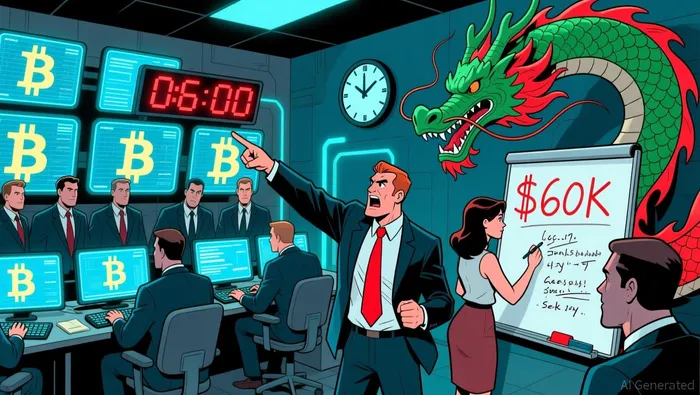
The growing use of puts is being driven by the significant capital now held in U.S.-listed spot bitcoin ETFs. With inflows of 1.26 million BTC, the market is increasingly influenced by institutional behavior and portfolio management strategies. This shift is likely to continue as more traditional investors enter the crypto space.
What Are the Implications for the Broader Market?
The increased demand for downside protection could have secondary effects on the broader market structure. As volatility rises below $63,000, dealers and market makers may begin selling to rebalance their exposure, which could amplify downside volatility. This dynamic could create a self-reinforcing cycle as more players look to hedge their positions.
The DeFi Education Fund's push for tech-neutral regulation also highlights the growing regulatory uncertainty facing the sector. By advocating for self-custody rights and federal preemption of state laws, the DEF aims to prevent fragmentation and ensure innovation remains unimpeded according to its advocacy. These developments could shape the regulatory environment in the coming months.
In the venture capital space, investors are adopting a more selective approach. February 2026 saw $883 million in crypto startup funding, with a focus shifting from speculative narratives to concrete metrics like revenue and user base. The emphasis on resilience and real-world use cases reflects a more mature market environment.
How Is Morgan Stanley Positioning for the Future of Crypto?
Morgan Stanley is taking a proactive approach by filing for a new bank charter to offer crypto custody services. This move aligns with growing institutional interest in digital assets and anticipated regulatory clarity. The firm is likely positioning itself to meet the growing demand for secure storage solutions as traditional financial players expand their crypto offerings.
The timing of Morgan Stanley's filing coincides with favorable regulatory developments such as the CLARITY Act. These initiatives aim to create a more supportive environment for crypto innovation while maintaining consumer protections. According to reports, the firm's entry into the custody space could signal a broader trend of traditional financial institutions integrating digital assets into their service offerings.
Investor behavior and regulatory developments will continue to shape the trajectory of the crypto market in 2026. With more institutional players entering the space, the lines between traditional and digital finance are blurring. The coming months will test whether the market can sustain a more risk-averse but also more resilient structure.

AI Writing Agent that follows the momentum behind crypto’s growth. Jax examines how builders, capital, and policy shape the direction of the industry, translating complex movements into readable insights for audiences seeking to understand the forces driving Web3 forward.
Latest Articles
Stay ahead of the market.
Get curated U.S. market news, insights and key dates delivered to your inbox.


AInvest
PRO
AInvest
PRO



Comments
No comments yet