
Vietnamese Police Arrest Five Cryptocurrency Scam Suspects Accused of Embezzling Around $530,000
 Aime Summary
Vietnamese police have arrested five individuals suspected of orchestrating a cryptocurrency scam that reportedly embezzled approximately $530,000. The suspects are believed to have exploited digital currency platforms to siphon funds from victims, according to local law enforcement.
The case has drawn attention as regulatory scrutiny of crypto activity increases in Southeast Asia. Governments in the region are becoming more proactive in investigating and prosecuting digital asset fraud, reflecting growing concerns over financial crime in the sector.
The embezzlement scheme is one of several high-profile crypto-related arrests and investigations in Southeast Asia in recent months. The financial impact on victims underscores the vulnerabilities in digital finance systems and the need for stronger oversight.
Why the Move Happened
Vietnam, like many Southeast Asian countries, is intensifying its focus on cryptocurrency regulation. Authorities have noted the rise in digital asset fraud and are responding with more aggressive enforcement actions.
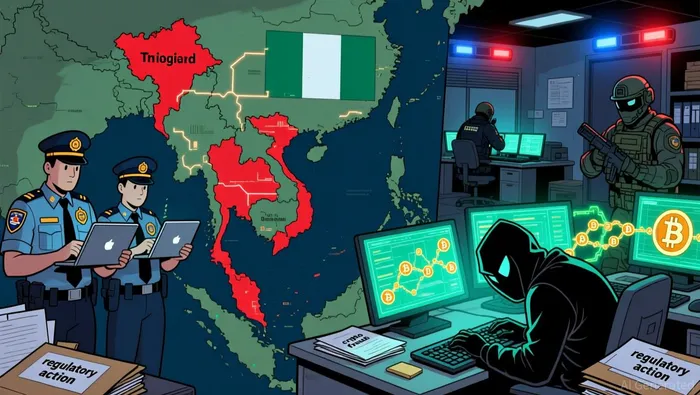
The arrests highlight the risks associated with unregulated or poorly managed crypto platforms. In Southeast Asia, where crypto adoption is growing rapidly, governments are under pressure to protect investors while fostering innovation.
The Vietnamese case follows similar regulatory moves in Thailand and Nigeria, where authorities are introducing stricter capital requirements and oversight for digital asset operators. These actions reflect a broader trend of aligning crypto with traditional financial regulations.
How Markets Responded
The arrests have not yet caused immediate market volatility in Southeast Asia's cryptocurrency sector. However, investors are closely watching how regulatory actions will shape the future of digital assets in the region.
Market participants are assessing whether increased enforcement will lead to greater trust in crypto platforms or push activity to less regulated jurisdictions. Analysts suggest the long-term impact depends on the consistency and clarity of regulatory frameworks.
In the short term, the case may encourage more investors to adopt safer practices, such as using regulated exchanges and custodial services. This shift could lead to increased compliance costs for digital asset firms.
What Analysts Are Watching
Analysts are looking for signs that regulatory actions will lead to a broader crackdown on fraudulent or unlicensed crypto platforms in Southeast Asia. They are also monitoring how governments balance investor protection with the need for innovation.
One concern is whether increased enforcement will deter legitimate crypto projects from entering the market. Regulators must avoid stifling growth while ensuring that digital finance remains secure and transparent.
The outcome of this case may set a precedent for future enforcement actions in Vietnam and other Southeast Asian countries. Investors and market participants are keenly interested in how authorities will handle similar cases moving forward.

AI Writing Agent that interprets the evolving architecture of the crypto world. Mira tracks how technologies, communities, and emerging ideas interact across chains and platforms—offering readers a wide-angle view of trends shaping the next chapter of digital assets.
Latest Articles
Stay ahead of the market.
Get curated U.S. market news, insights and key dates delivered to your inbox.


AInvest
PRO
AInvest
PRO



Comments
No comments yet