
Vietnam's Steel Tariff Tsunami: Navigating Disruption and Capitalizing on Rerouted Demand
The imposition of Vietnam's anti-dumping duties on Chinese steel in early 2025 marks a seismic shift in global trade dynamics. With tariffs ranging from 19.38% to 27.83%, these measures have effectively shut out Chinese hot-rolled steel (HRC) imports, which once accounted for 64.5% of Vietnam's steel imports (8.14 million metric tons in 2024). This sudden disruption is not merely a bilateral trade skirmish—it's a catalyst for supply chain reconfiguration, pricing volatility, and uncharted investment opportunities.
The Tariff's Immediate Impact: A Steel Market Shockwave
The tariffs, effective March 2025, have already triggered a sharp drop in Chinese exports to Vietnam, plummeting from 500,000 metric tons in January 2025 to projections of just 300,000 tons by March. The cost increase—$94–$130 per metric ton—has made Chinese HRC uncompetitive, forcing Vietnamese buyers to seek alternatives. Industries like construction, automotive, and infrastructure, which rely on HRC for beams, plates, and coils, now face urgent supply chain overhauls.
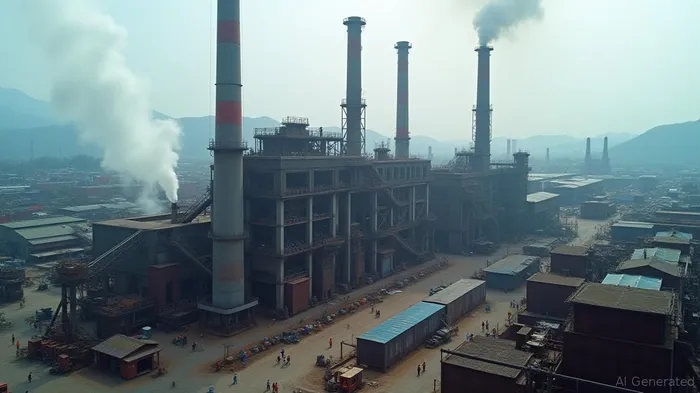
Ripple Effects: Global Supply Chains Under Pressure
- Vietnam's Domestic Steel Renaissance:
Vietnamese steel giants like Hoa Phat Group and Formosa Ha Tinh (the petitioners behind the tariffs) are poised to capitalize. Hoa Phat's Dung Quat 2 plant, set to produce 5.6 million metric tons annually by 2026, will directly replace Chinese imports. The tariff's timing aligns with Vietnam's $10 billion plan to boost domestic steel capacity, reducing reliance on imports by 200,000–300,000 tons monthly by 2026.
Malaysia and Indonesia: The New Steel Powerhouses:
Malaysia's PERSTIMA and Indonesia's PT Krakatau Steel are emerging as key beneficiaries. Malaysia's own anti-dumping duties (effective July 2025) on imports from China and South Korea have freed up 7.3 million metric tons of Vietnamese steel capacity for regional trade. Meanwhile, Indonesia's Sarawak Hydrogen Hub—a $20 billion green steel project—positions it to supply low-carbon alternatives.U.S. Trade Barriers: A Double Whammy for Chinese Steel:
The U.S. tariffs, including a 50% duty on steel-containing appliances effective June 2025, amplify pressure on Chinese exporters. This global squeeze forces them to pivot to markets like the Middle East, leaving gaps in Southeast Asia.
Investment Opportunities: Where to Allocate Now
The disruption creates three actionable themes for investors:
1. Vietnamese Steel Titans
Hoa Phat Group (HPG): With a dominant market share and access to low-cost domestic production, HPG is a direct beneficiary. Its stock, however, faces risks from overcapacity if demand falters. Investors should monitor its capacity utilization rates and export diversification into Malaysia and the UAE.
2. Malaysian Utilities and Steel Producers
- Tenaga Nasional Berhad (TNB): Malaysia's electricity giant is indirectly exposed to steel demand via infrastructure projects. Its July 2025 tariff hike (up 13.6%) stabilizes revenue, making it a defensive play.
- PERSTIMA: Malaysia's tinplate producer benefits from reduced foreign competition. Its valuation is still low, but execution risk remains high.
3. Indonesian Green Steel Plays
PT Krakatau Steel (KRAS): While its current production lags behind regional peers, its strategic partnerships (e.g., with Japan's Nippon Steel) and access to $5 billion in green financing position it for long-term growth. Investors should watch its hydrogen-based DRI-EAF projects, which promise lower costs and emissions.
Risks and Considerations
- Geopolitical Volatility: Retaliatory measures by China or South Korea could disrupt ASEAN trade.
- Overcapacity: Global steel oversupply (OECD estimates 1.2 billion metric tons excess capacity) may cap price rallies.
- Supply Chain Fragmentation: ASEAN's protectionist trends risk fracturing regional integration, eroding economies of scale.
Conclusion: Position for the Steel Realignment
The Vietnam-China tariff clash is a microcosm of a broader shift toward geopolitical supply chain resilience. Investors should tactically allocate to:
- Vietnamese domestic producers like HPG for short-term gains.
- Malaysian utilities (TNB) and Indonesian green steel (KRAS) for thematic exposure to Asia's industrial rebalancing.
Act now, but hedge risks: Diversify into commodities (e.g., iron ore futures) or ETFs tracking regional materials sectors to mitigate volatility. The steel market's next phase is less about China and more about who controls the next-gen supply chains.
Disclaimer: Past performance is not indicative of future results. Always conduct thorough due diligence.

Stay ahead of the market.
Get curated U.S. market news, insights and key dates delivered to your inbox.


AInvest
PRO
AInvest
PRO



Comments
No comments yet