
U.S. Vice President Vance Visits India Amid 26% Tariff Threat
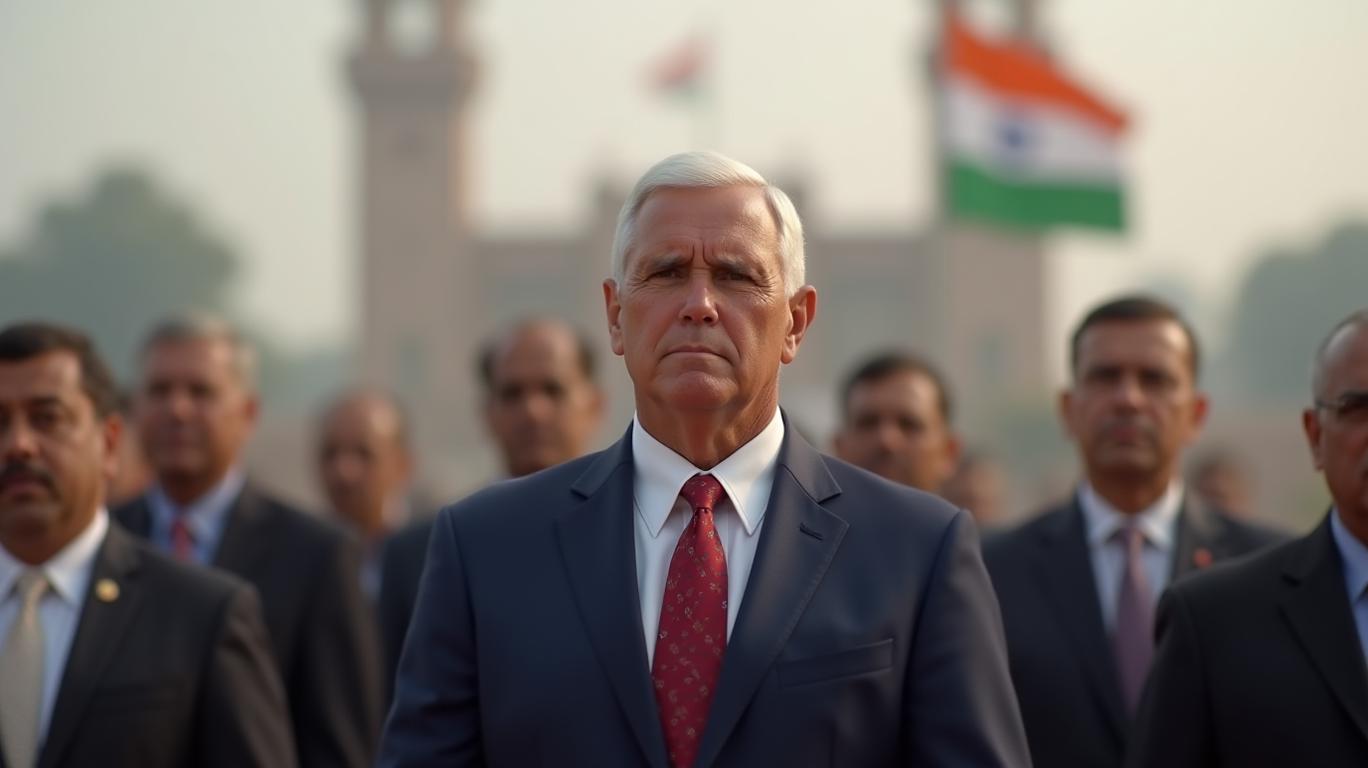
U.S. Vice President JDJD-- Vance arrived in New Delhi on Monday for a four-day official visit to India. This visit comes at a critical juncture, as the United States has paused its tariff program against most countries, including India. The pause, however, is temporary, and the threat of increased tariffs looms large over the negotiations. The U.S. has indicated that it may raise the 10% tariffs on Indian exports to 26% if a deal is not reached by the end of the 90-day pause.
Vance's visit is significant as it coincides with India's efforts to avoid U.S. tariffs and negotiate a bilateral trade deal. The discussions between Vance and Indian Prime Minister Narendra Modi are expected to focus on fast-tracking this trade pact. The U.S. tariff war with China has added complexity to the situation, making it imperative for both nations to find common ground.
The visit also marks Vance's first official trip to India. He was accompanied by his wife, Usha, and is scheduled to meet with key Indian officials, including Prime Minister Modi. The meetings are aimed at strengthening bilateral ties and addressing trade-related issues that have been a point of contention between the two nations.
The U.S. has been pushing for a trade deal that would benefit both economies, but the threat of increased tariffs has created a sense of urgency. The 90-day pause provides a window for negotiations, but the outcome remains uncertain. The U.S. has made it clear that it is prepared to increase tariffs if a satisfactory agreement is not reached, which could have significant implications for both countries' economies.
Vance's visit is seen as a crucial step in the ongoing trade negotiations. The discussions are expected to cover a range of issues, including tariffs, trade barriers, and market access. The outcome of these talks will have far-reaching effects on the economic relationship between the U.S. and India, as well as on the broader global trade landscape.

Stay ahead of the market.
Get curated U.S. market news, insights and key dates delivered to your inbox.






Comments
No comments yet