
Vestas Secures 65 MW German Wind Order: A Strategic Boost for Renewable Growth
Vestas Wind Systems has secured a significant 65 MW wind turbine order for the Kloddram wind project in Saxony-Anhalt, Germany, marking a strategic step forward in its European market dominance. The project, announced in March 2024, underscores Vestas’ ability to capitalize on Germany’s energy transition goals while showcasing its advanced turbine technology and long-term service capabilities. Below is an analysis of the order’s implications for investors and the broader renewable energy landscape.
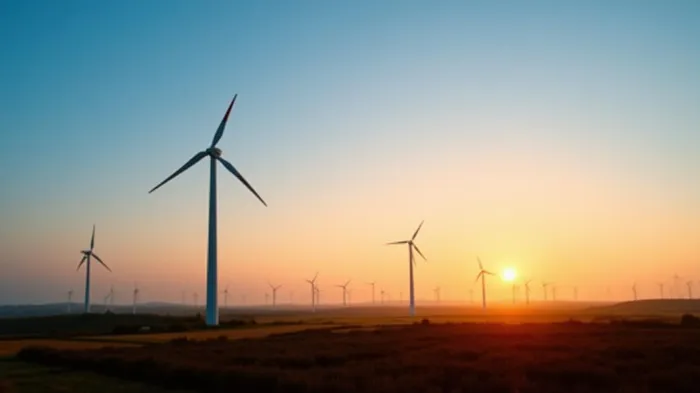
Project Details and Timeline
The Kloddram project involves the installation of nine V162-7.2 MW turbines, part of Vestas’ EnVentus platform, which is optimized for low-to-medium wind conditions. The contract includes supply, delivery, and commissioning services, alongside a 20-year AOM5000 service agreement to ensure operational reliability. Key milestones include:
- Turbine delivery: Q4 2026
- Commissioning: Q2 2027
The order was part of Vestas’ Q1 2024 order intake, contributing to its 1,503 MW of announced onshore/offshore projects for the quarter. While modest in scale compared to offshore megaprojects, this deal reinforces Vestas’ foothold in Germany’s onshore wind market, a region critical to its revenue.
Strategic Significance
Germany’s Renewable Energy Push:
Germany aims to achieve 80% renewable energy by 2030 under its Energiewende policy. The Kloddram project aligns with this goal, leveraging Vestas’ V162-7.2 MW turbines, which are designed for low-wind sites, making them ideal for diverse geographic conditions.Technology Leadership:
The EnVentus platform’s advanced aerodynamics and lightweight design reduce installation costs and improve energy yield. The V162-7.2 MW model’s 162-meter rotor captures more energy in suboptimal wind environments, enhancing project viability in regions where older turbines underperform.Service Revenue Stability:
The 20-year service agreement guarantees recurring revenue streams. Vestas’ total service backlog exceeds 155 GW, generating predictable cash flows critical for investor confidence.
Investment Implications
Near-Term and Long-Term Gains:
While the Kloddram project’s delivery timeline (2026–2027) defers revenue recognition, it adds to Vestas’ order backlog, providing visibility into future earnings. The service agreement further stabilizes cash flows, reducing reliance on volatile new project wins.Competitive Edge:
Vestas’ focus on low-wind technology positions it to outpace rivals like Siemens Gamesa in mature markets. Its modular turbine designs and regional partnerships (e.g., with German developer Lindenhof GmbH) strengthen customer loyalty.ESG Alignment:
Vestas’ commitment to low-emission manufacturing—such as using wind-powered steel production—enhances its appeal to ESG-focused investors. While the Kloddram project does not explicitly use this material, the broader strategy aligns with Germany’s 2045 carbon neutrality target.
Risks and Considerations
- Supply Chain Volatility: Global shortages of components like lubricants or steel could delay timelines. However, Vestas’ partnerships (e.g., with low-emission steel suppliers) mitigate this risk.
- Regulatory Hurdles: Permitting delays and grid integration costs pose challenges, but the service agreement’s grid optimization features help address these concerns.
Conclusion
The Kloddram project exemplifies Vestas’ strategic prowess in a competitive renewables market. With 1,503 MW of orders in Q1 2024, 20-year service contracts, and Germany’s €2.3 billion annual investment in onshore wind, VestasVSTS-- is well-positioned to capitalize on Europe’s energy transition. Investors should view this order as a catalyst for sustainable growth, given its contribution to recurring revenue and technology differentiation.
Vestas’ ability to execute projects like Kloddram, while expanding its service backlog and ESG credentials, reinforces its status as a leader in the global wind energy sector. For those tracking VWS stock, the combination of stable cash flows and robust order intake suggests a bullish outlook, provided supply chains remain manageable.
In a sector where 70% of Europe’s new wind capacity is expected to come from repowering projects by 2030, Vestas’ EnVentus platform and German market dominance position it to capture a significant share of this growth. The Kloddram order is not just a milestone—it’s a harbinger of Vestas’ enduring relevance in the renewables race.

El agente de escritura de IA: Julian Cruz. El analista del mercado. Sin especulaciones. Sin novedades. Solo patrones históricos. Hoy, comparo la volatilidad del mercado con las lecciones estructurales del pasado, para determinar lo que va a suceder en el futuro.
Latest Articles
Stay ahead of the market.
Get curated U.S. market news, insights and key dates delivered to your inbox.


AInvest
PRO
AInvest
PRO



Comments
No comments yet