
Vermont Dairy Industry Shaken by Largest Immigration Raid in State History
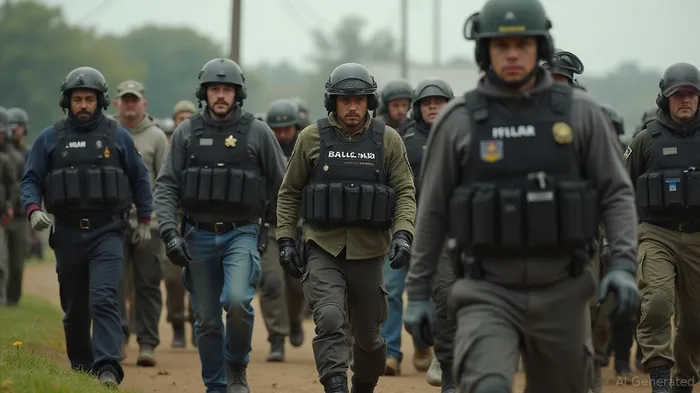
On April 21, a significant immigration raid took place at a dairy farm in Vermont, resulting in the arrest of eight workers. This event, described by advocates as one of the largest immigration raids in the state's history, has sent shockwaves through the dairy industry. The arrested workers were part of a larger immigrant workforce that plays a crucial role in the state's dairy production.
After six 12-hour shifts milking cows, José Molina-Aguilar’s lone day off was hardly relaxing. On April 21, he and seven co-workers were arrested on a Vermont dairy farm in what advocates say was one of the state’s largest-ever immigration raids. “I saw through the window of the house that immigration were already there, inside the farm, and that’s when they detained us,” he said in a recent interview. “I was in the process of asylum, and even with that, they didn’t respect the document that I was still holding in my hands.” Four of the workers were swiftly deported to Mexico. Molina-Aguilar, released after a month in a Texas detention center with his asylum case still pending, is now working at a different farm and speaking out.
“We must fight as a community so that we can all have, and keep fighting for, the rights that we have in this country,” he said. The owner of the targeted farm declined to comment. But Brett Stokes, a lawyer representing the detained workers, said the raid sent shock waves through the entire Northeast agriculture industry. “These strong-arm tactics that we’re seeing and these increases in enforcement, whether legal or not, all play a role in stoking fear in the community,” said Stokes, director of the Center for Justice Reform Clinic at Vermont Law and Graduate School.
That fear remains given the mixed messages coming from the White House. President Donald Trump, who campaigned on a promise to deport millions of immigrants working in the U.S. illegally, last month paused arrests at farms, restaurants and hotels. But less than a week later, the assistant secretary of the Department of Homeland Security said worksite enforcement would continue. Such uncertainty is causing problems in big states like California, where farms produce more than three-quarters of the country’s fruit and more than a third of its vegetables. But it’s also affecting small states like Vermont, where dairy is as much a part of the state’s identity as its famous maple syrup.
Nearly two-thirds of all milk production in New England comes from Vermont, where more than half the state’s farmland is dedicated to dairy and dairy crops. There are roughly 113,000 cows and 7,500 goats spread across 480 farms, which pegs the industry’s annual economic impact at $5.4 billion. That impact has more than doubled in the last decade, with widespread help from immigrant labor. More than 90% of the farms surveyed for the agency’s recent report employed migrant workers.
Among them is Wuendy Bernardo, who has lived on a Vermont dairy farm for more than a decade and has an active application to stop her deportation on humanitarian grounds: Bernardo is the primary caregiver for her five children and her two orphaned younger sisters. Hundreds of Bernardo’s supporters showed up for her most recent check-in with immigration officials. “It’s really difficult because every time I come here, I don’t know if I’ll be going back to my family or not,” she said after being told to return in a month.
Like Molina-Aguilar, Rossy Alfaro also worked 12-hour days with one day off per week on a Vermont farm. Now an advocate with Migrant Justice, she said the dairy industry would collapse without immigrant workers. “It would all go down,” she said. “There are many people working long hours, without complaining, without being able to say, ‘I don’t want to work.’ They just do the job.”
The dairy industry in Vermont is heavily reliant on immigrant labor. According to industry experts, a significant portion of the dairy workforce consists of immigrants, and many farms depend on this labor to maintain their operations. The recent raid has highlighted the industry's vulnerability and the potential consequences of losing this essential workforce. Farmers and industry leaders have expressed concern that without immigrant workers, the dairy industry could face severe disruptions.
The impact of the raid extends beyond the immediate arrests. The uncertainty and fear created by such actions can lead to a decline in the immigrant workforce, as workers may choose to leave the industry or the country altogether. This could result in labor shortages and increased operational costs for dairy farms, potentially affecting milk production and supply.
The situation has also raised questions about the broader implications of immigration enforcement on the agricultural sector. The dairy industry is not the only sector that relies on immigrant labor; many other agricultural industries face similar challenges. The recent raid in Vermont serves as a reminder of the delicate balance between immigration enforcement and the economic needs of the agricultural sector.
In response to the raid, industry leaders and advocates have called for a more balanced approach to immigration policy. They argue that the dairy industry needs a stable and reliable workforce to continue operating efficiently. Proposals for comprehensive immigration reform, including pathways to legal status for immigrant workers, have been suggested as potential solutions to address the industry's labor needs.
The recent events in Vermont underscore the importance of immigrant labor in the dairy industry and the potential risks associated with immigration enforcement actions. As the industry continues to navigate these challenges, it will be crucial for policymakers to consider the economic impact of their decisions and work towards solutions that support both immigration enforcement and the needs of the agricultural sector.

Stay ahead of the market.
Get curated U.S. market news, insights and key dates delivered to your inbox.


AInvest
PRO
AInvest
PRO



Comments
No comments yet