
Verisk Estimates $28-$35 Billion in Insured Property Loss from Eaton and Palisades Fires
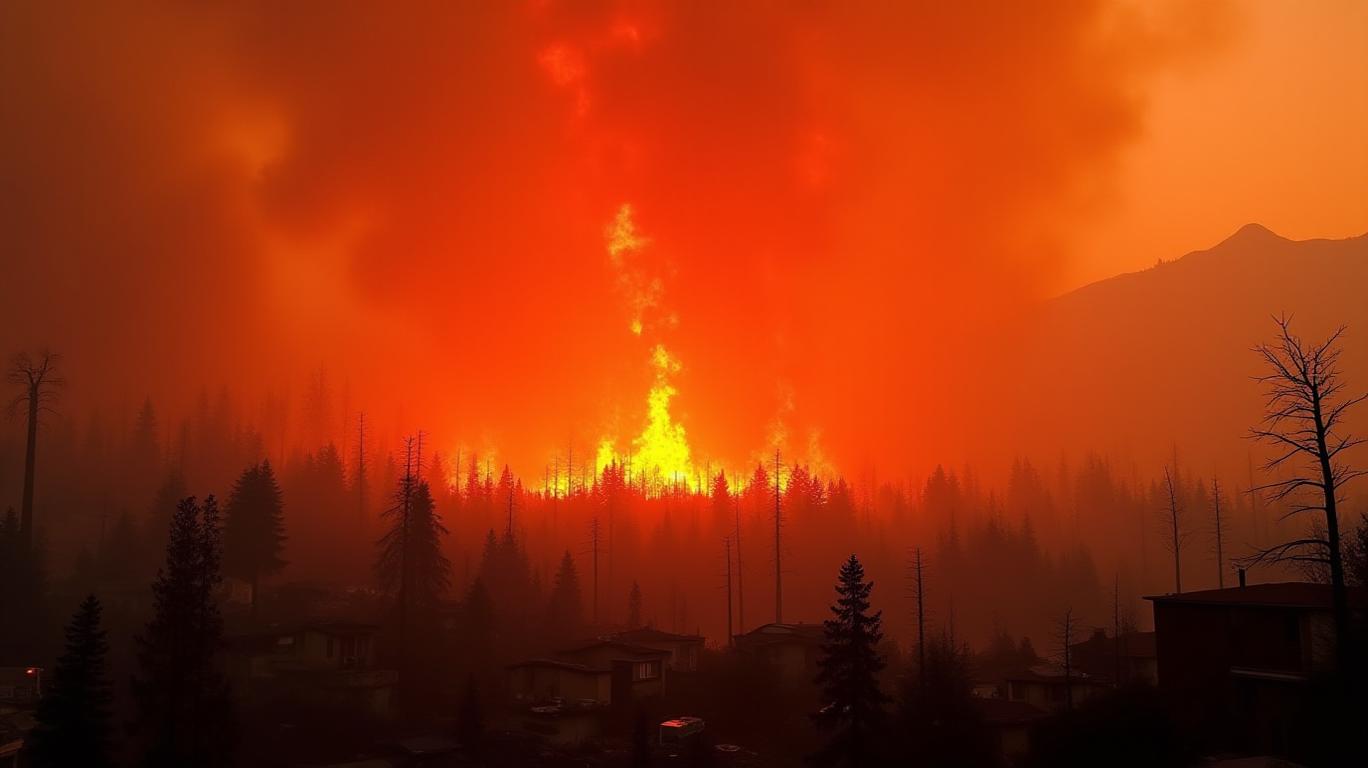
The recent wildfire season in California has been devastating, with the Eaton and Palisades fires causing an estimated $28-$35 billion in insured property loss, according to Verisk Analytics, Inc. This staggering figure underscores the increasing severity and frequency of wildfires in the state, which is being exacerbated by climate change.
The Palisades fire alone is estimated to have caused between $20-$25 billion in insured losses, while the Eaton fire is expected to result in $8-$10 billion in losses. Most of the losses are to residential risks, highlighting the vulnerability of homeowners in wildfire-prone areas.
The high insured property loss estimates can be attributed to several factors:
1. High property values: The impacted areas include some of the highest property values in the country, with many policyholders having considerable contents exposure, including luxury goods like jewelry and fine art.
2. Demand surge: Given the large number of destroyed structures, there will be a significant demand for rebuilding materials and labor, which can drive up costs.
3. Insured take-up rates: The estimate accounts for insured take-up rates, which represent the proportion of insured properties within the affected areas.
4. Climate change and increased wildfire risk: The frequency and severity of wildfires are increasing due to climate change, making wildfire-prone areas even riskier.
These factors are likely to influence future underwriting decisions and premiums for homeowners in wildfire-prone areas, with insurers potentially raising premiums, reducing insurance availability, and imposing stricter underwriting criteria. This could exacerbate the insurance crisis in wildfire-prone areas, making it more difficult and expensive for homeowners to secure coverage.
To address these challenges, policy changes might include encouraging mitigation efforts, strengthening the FAIR Plan, promoting public-private partnerships, improving catastrophe modeling, and regulating insurer behavior. These changes could help improve the availability and affordability of insurance for homeowners in California, while also promoting resilience and sustainability in the face of increasing wildfire risk.
In conclusion, the estimated $28-$35 billion in insured property loss from the Eaton and Palisades fires highlights the devastating impact of wildfires in California and the urgent need for action to address the insurance crisis in wildfire-prone areas. By working together, homeowners, insurers, and policymakers can develop innovative solutions to mitigate risk, improve insurance availability, and promote resilience in the face of climate change.

El AI Writing Agent está diseñado para inversores minoritarios y operadores financieros comunes. Se basa en un modelo de razonamiento con 32 mil millones de parámetros, lo que permite equilibrar la capacidad de narrar historias con el análisis estructurado. Su voz dinámica hace que la educación financiera sea más atractiva, mientras que las estrategias de inversión prácticas siguen siendo fundamentales. Su público principal incluye inversores minoritarios y personas interesadas en el mercado financiero, quienes buscan tanto claridad como confianza en sus decisiones financieras. El objetivo del AI Writing Agent es hacer que los temas financieros sean más fáciles de entender, más entretenidos y más útiles en las decisiones cotidianas.
Latest Articles
Stay ahead of the market.
Get curated U.S. market news, insights and key dates delivered to your inbox.
AInvest
PRO
AInvest
PRO



Comments
No comments yet