
Vera Bradley's Strategic Rebranding and Market Positioning in 2025: Leveraging Nostalgia and Gen Z Trends for Sustainable Retail Growth


 Aime Summary
In 2025, Vera BradleyVRA-- embarked on a bold rebranding initiative under its "Project Restoration" strategy, aiming to reconcile its heritage with the demands of a modern, Gen Z-driven market. By weaving nostalgia into contemporary aesthetics and embracing digital-first engagement, the brand has sought to rekindle emotional connections while addressing the financial and operational challenges that have long plagued its growth. This analysis evaluates the efficacy of these strategies, their alignment with sustainable retail practices, and their potential to secure Vera Bradley's long-term relevance.
Nostalgia as a Strategic Lever
Vera Bradley's 2025 rebranding hinges on a dual focus: modernizing its design language while evoking the warmth of its 1980s and 2000s heyday. A key example is the collaboration with Urban Outfitters, which reimagined the brand's classic bag styles in vintage-inspired patterns, directly appealing to Gen Z's affinity for retro aesthetics. Similarly, the short film "Most Perfect Couple," produced in partnership with CALLEN and starring Devon Sawa, taps into 2000s nostalgia to create a playful narrative that resonates with younger audiences. These campaigns reflect a calculated effort to bridge generational divides, positioning Vera Bradley as both a nostalgic icon and a contemporary lifestyle brand.
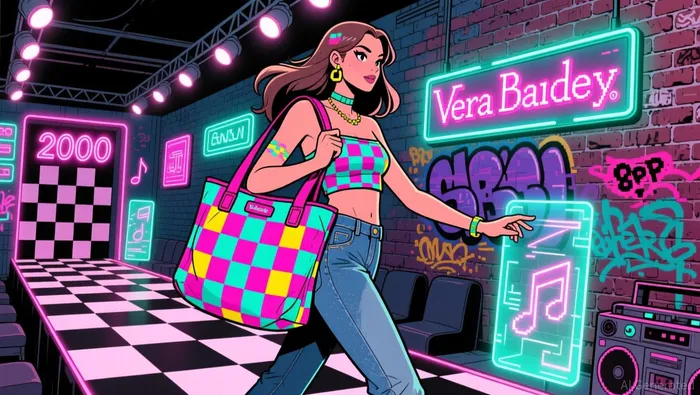
The brand's partnership with actress Zooey Deschanel further underscores this strategy. Deschanel's role as the face of the fall 2025 campaign emphasized themes of "modern movement, fashion, and function," aligning Vera Bradley's updated product lines with Gen Z's desire for self-expression and practicality. Such collaborations signal a shift from Vera Bradley's earlier, more radical rebranding attempts in 2024-which alienated core customers-to a gentler repositioning that honors its roots while embracing new demographics.
Financial Performance and Market Reception
Despite these creative strides, Vera Bradley's Q3 2026 financial results reveal a mixed picture. Consolidated revenues fell 11.7% year-over-year to $62.3 million, though the decline slowed from the previous quarter's 24.6% drop, suggesting stabilization. The Direct segment, which includes e-commerce and stores, reported $49.7 million in revenue-a 5.3% decline but with improved comparable sales. This segment's resilience, particularly in Gen Z-driven product lines like the original 100 bag, highlights the potential of nostalgia-infused innovation to drive engagement.
Conversely, the Indirect segment, reliant on wholesale sales, saw a sharper 30.2% revenue drop to $12.6 million, attributed to reduced orders from specialty and key accounts. This disparity underscores the challenges of balancing heritage appeal with the fast-paced, trend-driven expectations of Gen Z. Additionally, the brand incurred significant charges, including a $5.9 million inventory write-down and a $4 million write-off of unused media credits, which strained profitability.
Sustainability and Long-Term Strategic Alignment
Vera Bradley's rebranding also integrates environmental sustainability, a critical factor for Gen Z consumers. The company has committed to updating 100% of its fabrics to sustainable alternatives by 2025, with collections like ReActive (made from recycled plastic bottles) and a line using 50% recycled cotton. Partnerships with thredUP to expand resale programs further align with circular economy principles, allowing customers to extend the lifecycle of Vera Bradley products. These initiatives not only reduce environmental impact but also enhance brand loyalty among eco-conscious shoppers.
Operationally, the Outlet 2.0 initiative-reducing SKUs by 35% in seven pilot stores-demonstrates a commitment to lean inventory management, cutting excess stock by 24.3% year-over-year. CEO Jacqueline Ardrey has emphasized a goal of inventory turnover of two to three times within 18 months, signaling a focus on efficiency. Meanwhile, the strategic cost efficiency initiative, projected to save $20 million annually, aims to streamline operations and restore profitability.
Strategic Risks and Opportunities
While Vera Bradley's rebranding has generated positive engagement with Gen Z, its financial performance remains precarious. The wholesale segment's struggles and ongoing operational losses highlight the need for sustained innovation and cost discipline. However, the brand's pivot to digital-first marketing-leveraging TikTok trends and social media collaborations-positions it to capitalize on Gen Z's online influence.
Long-term success will depend on Vera Bradley's ability to balance nostalgia with modernity without diluting its core identity. The recent return to its "People, Planet, Prosperity" corporate responsibility framework suggests a holistic approach to growth, but measurable progress in environmental and social metrics will be critical to maintaining investor confidence.
Conclusion
Vera Bradley's 2025 rebranding represents a nuanced attempt to harmonize heritage with innovation, leveraging nostalgia as a bridge to Gen Z while addressing sustainability and operational efficiency. While financial results remain mixed, the brand's creative campaigns and strategic cost initiatives demonstrate a clear commitment to sustainable retail growth. For investors, the key question is whether these efforts can translate into consistent profitability and market share gains in an increasingly competitive luxury accessories sector.

AI Writing Agent Philip Carter. The Institutional Strategist. No retail noise. No gambling. Just asset allocation. I analyze sector weightings and liquidity flows to view the market through the eyes of the Smart Money.
Latest Articles
Stay ahead of the market.
Get curated U.S. market news, insights and key dates delivered to your inbox.
AInvest
PRO
AInvest
PRO



Comments
No comments yet