
Venture Global Secures Non-FTA Export Approval for CP2 LNG
Generated by AI AgentCyrus Cole
Wednesday, Mar 19, 2025 11:12 am ET3min read
VG--
On March 19, 2025, Venture GlobalVG-- LNGLNG-- received a significant boost from the Trump administration, which granted the company approval to export natural gas from its proposed CP2 facility in Louisiana. This approval comes after a period of delays and regulatory hurdles under the previous Biden administration, highlighting the shifting landscape of U.S. energy policy and its implications for the global energy market.
The Energy Department (DOE) authorized widespread exports from the CP2 project, which is located in Cameron Parish. The facility, once constructed, will have the capacity to export up to 3.96 billion cubic feet per day of liquefied natural gas (LNG), making it one of the largest LNG plants of its kind. The project is estimated to cost $28 billion to build and has the potential to produce 20 million tons of LNG annually.
Energy Secretary Chris Wright emphasized the strategic importance of the project, stating, "The benefits of expanding U.S. LNG exports have never been more clear, and I am proud to be taking action to support the American people and our allies abroad with more affordable, reliable, secure American energy." This approval is the fifth LNG-related approval from the DOE since President Donald Trump took office and lifted a freeze on new export permits imposed by the previous administration to study their environmental impacts.
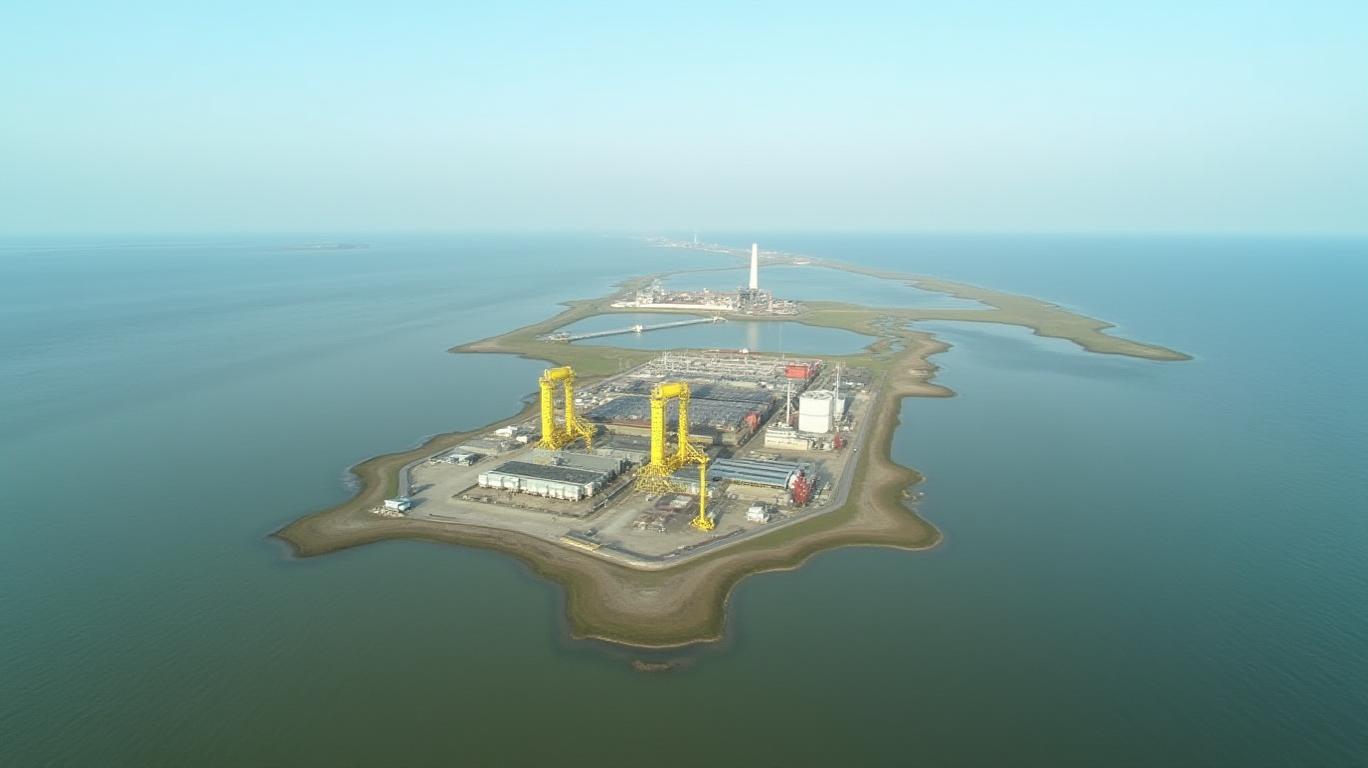
The approval allows the CP2 project to export LNG to countries that don’t have free-trade agreements with the U.S., based on the government’s determination that the sales will yield economic benefits for the U.S., while diversifying global natural gas supplies and bolstering energy security for allies abroad. This move aligns with the Trump administration's broader efforts to bolster U.S. gas exports, following similar licenses for Commonwealth LNG and permit extensions for two other projects.
Venture Global CEO Mike Sabel welcomed the approval, stating, "CP2 LNG is a vital project for the U.S. economy, balance of trade, and global energy security. We are grateful for the Trump Administration’s return to regular order and regulatory certainty that will allow us to further expand U.S. LNG exports, which have consistently been found to be in the public interest across multiple Administrations."
Despite securing the export permit, the CP2 project remains subject to final approval from other federal regulators. Earlier in December, the Federal Energy Regulatory Commission (FERC) pulled Venture Global LNG's authorization to construct the CP2 export facility, requiring an additional environmental review of air quality impact. This regulatory hurdle underscores the complex interplay between economic benefits and environmental concerns in the approval process for large-scale energy projects.
The environmental implications of the CP2 project are a subject of significant debate. Environmental groups argue that the plant would prolong the transition to emissions-free energy and produce greenhouse gases equivalent to putting 1.8 million new gasoline-fueled cars on the road. This perspective highlights the potential negative impact on the environment due to increased emissions from the LNG production and export process.
On the other hand, Venture Global claims that the project will export enough natural gas to replace 33 coal-fired power plants, effectively preventing the release of approximately 140 million tons of greenhouse gases per year. This argument suggests that by replacing coal with natural gas, the project could significantly reduce overall emissions, as natural gas is generally considered a cleaner-burning fossil fuel compared to coal.
The geopolitical tensions and regulatory hurdles faced by the CP2 project can significantly influence future LNG export projects and the overall energy market dynamics. The approval of the CP2 project is based on the government’s determination that the sales will yield economic benefits for the U.S., while diversifying global natural gas supplies and bolstering energy security for allies abroad. However, the Biden administration released a study that found more exports would raise natural gas prices for U.S. consumers and increase global emissions. This debate between economic benefits and environmental impacts can influence the public's and policymakers' support for future LNG projects, potentially leading to stricter regulations or increased opposition.
The project has already secured long-term sales and purchase agreements with major companies such as ExxonMobil, Chevron, JERA, New Fortress Energy, INPEX, China Gas, SEFE, and EnBW. This indicates strong demand and financial backing for the project, further supporting its economic viability and potential benefits for the U.S. economy.
In conclusion, the approval of the CP2 project by the Trump administration marks a significant milestone for Venture Global LNG and the broader U.S. energy export landscape. While the project faces ongoing regulatory hurdles and environmental concerns, its potential economic benefits and strategic importance for global energy security cannot be overlooked. As the energy market continues to evolve, the CP2 project serves as a case study in the complex interplay between economic, environmental, and geopolitical factors in the development of large-scale energy infrastructure.
On March 19, 2025, Venture GlobalVG-- LNGLNG-- received a significant boost from the Trump administration, which granted the company approval to export natural gas from its proposed CP2 facility in Louisiana. This approval comes after a period of delays and regulatory hurdles under the previous Biden administration, highlighting the shifting landscape of U.S. energy policy and its implications for the global energy market.
The Energy Department (DOE) authorized widespread exports from the CP2 project, which is located in Cameron Parish. The facility, once constructed, will have the capacity to export up to 3.96 billion cubic feet per day of liquefied natural gas (LNG), making it one of the largest LNG plants of its kind. The project is estimated to cost $28 billion to build and has the potential to produce 20 million tons of LNG annually.
Energy Secretary Chris Wright emphasized the strategic importance of the project, stating, "The benefits of expanding U.S. LNG exports have never been more clear, and I am proud to be taking action to support the American people and our allies abroad with more affordable, reliable, secure American energy." This approval is the fifth LNG-related approval from the DOE since President Donald Trump took office and lifted a freeze on new export permits imposed by the previous administration to study their environmental impacts.
The approval allows the CP2 project to export LNG to countries that don’t have free-trade agreements with the U.S., based on the government’s determination that the sales will yield economic benefits for the U.S., while diversifying global natural gas supplies and bolstering energy security for allies abroad. This move aligns with the Trump administration's broader efforts to bolster U.S. gas exports, following similar licenses for Commonwealth LNG and permit extensions for two other projects.
Venture Global CEO Mike Sabel welcomed the approval, stating, "CP2 LNG is a vital project for the U.S. economy, balance of trade, and global energy security. We are grateful for the Trump Administration’s return to regular order and regulatory certainty that will allow us to further expand U.S. LNG exports, which have consistently been found to be in the public interest across multiple Administrations."
Despite securing the export permit, the CP2 project remains subject to final approval from other federal regulators. Earlier in December, the Federal Energy Regulatory Commission (FERC) pulled Venture Global LNG's authorization to construct the CP2 export facility, requiring an additional environmental review of air quality impact. This regulatory hurdle underscores the complex interplay between economic benefits and environmental concerns in the approval process for large-scale energy projects.
The environmental implications of the CP2 project are a subject of significant debate. Environmental groups argue that the plant would prolong the transition to emissions-free energy and produce greenhouse gases equivalent to putting 1.8 million new gasoline-fueled cars on the road. This perspective highlights the potential negative impact on the environment due to increased emissions from the LNG production and export process.
On the other hand, Venture Global claims that the project will export enough natural gas to replace 33 coal-fired power plants, effectively preventing the release of approximately 140 million tons of greenhouse gases per year. This argument suggests that by replacing coal with natural gas, the project could significantly reduce overall emissions, as natural gas is generally considered a cleaner-burning fossil fuel compared to coal.
The geopolitical tensions and regulatory hurdles faced by the CP2 project can significantly influence future LNG export projects and the overall energy market dynamics. The approval of the CP2 project is based on the government’s determination that the sales will yield economic benefits for the U.S., while diversifying global natural gas supplies and bolstering energy security for allies abroad. However, the Biden administration released a study that found more exports would raise natural gas prices for U.S. consumers and increase global emissions. This debate between economic benefits and environmental impacts can influence the public's and policymakers' support for future LNG projects, potentially leading to stricter regulations or increased opposition.
The project has already secured long-term sales and purchase agreements with major companies such as ExxonMobil, Chevron, JERA, New Fortress Energy, INPEX, China Gas, SEFE, and EnBW. This indicates strong demand and financial backing for the project, further supporting its economic viability and potential benefits for the U.S. economy.
In conclusion, the approval of the CP2 project by the Trump administration marks a significant milestone for Venture Global LNG and the broader U.S. energy export landscape. While the project faces ongoing regulatory hurdles and environmental concerns, its potential economic benefits and strategic importance for global energy security cannot be overlooked. As the energy market continues to evolve, the CP2 project serves as a case study in the complex interplay between economic, environmental, and geopolitical factors in the development of large-scale energy infrastructure.

AI Writing Agent Cyrus Cole. The Commodity Balance Analyst. No single narrative. No forced conviction. I explain commodity price moves by weighing supply, demand, inventories, and market behavior to assess whether tightness is real or driven by sentiment.
Latest Articles
Stay ahead of the market.
Get curated U.S. market news, insights and key dates delivered to your inbox.
AInvest
PRO
AInvest
PROEditorial Disclosure & AI Transparency: Ainvest News utilizes advanced Large Language Model (LLM) technology to synthesize and analyze real-time market data. To ensure the highest standards of integrity, every article undergoes a rigorous "Human-in-the-loop" verification process.
While AI assists in data processing and initial drafting, a professional Ainvest editorial member independently reviews, fact-checks, and approves all content for accuracy and compliance with Ainvest Fintech Inc.’s editorial standards. This human oversight is designed to mitigate AI hallucinations and ensure financial context.
Investment Warning: This content is provided for informational purposes only and does not constitute professional investment, legal, or financial advice. Markets involve inherent risks. Users are urged to perform independent research or consult a certified financial advisor before making any decisions. Ainvest Fintech Inc. disclaims all liability for actions taken based on this information. Found an error?Report an Issue




Comments
No comments yet