
Venture Exodus Spur Crypto Gaming Sector's Historic Collapse in 2025
 Aime Summary
The crypto gaming sector faced a historic collapse in 2025, as venture capital funding dried up and numerous projects shut down, leaving players and developers in the lurch. Promising titles like Deadrop and The Mystery Society closed permanently, rendering digital assets nearly worthless. Investors lost faith, and developers found themselves navigating a landscape with no clear path forward.
The downfall was not due to a lack of innovation or ambition, but a structural failure in the funding model. Venture capitalists, once eager to pump money into the sector, began pulling back due to unmet expectations and token volatility. Without financial support, many games could not sustain their operations or reach their full potential.
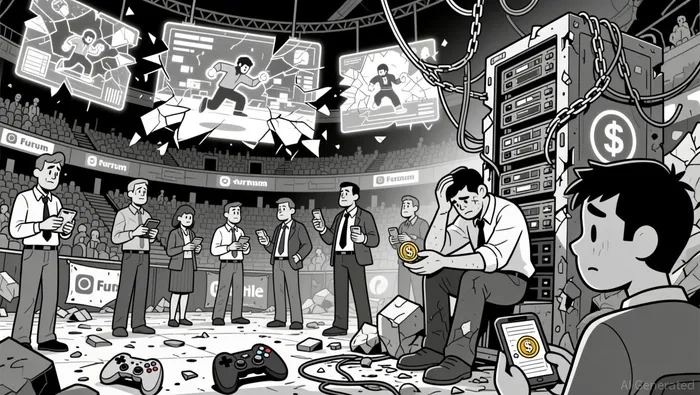
The year also saw a sharp decline in the value of gaming-related tokens, with Immutable's IMX and Gunzilla Games' GUN both experiencing over 85% drops from their highs. This created a vicious cycle, where token devaluation made it harder for developers to attract further investment, compounding the sector's woes.
Why the Standoff Happened
Crypto gaming had long been marketed as the future of digital entertainment, promising players ownership of in-game assets via blockchain technology. However, the reality did not match the hype. Investors became wary of the sector after repeated instances of developers altering token economics or overpromising on returns. Pseudonymous founder Beanie of GM Capital noted that trust had all but vanished between game makers and their backers.
Robby Yung of Animoca Brands highlighted a critical misalignment in expectations. Traditional venture capital funds typically operate on a five-year horizon for exit via IPO, but the crypto gaming space rarely offers such timelines. Instead, funds wanted to see token launches and quickQUICK-- liquidity events, creating pressure on developers to prioritize token economics over game quality.
Another challenge was the rising popularity of memeMEME-- coins and short-term speculative assets, which drew investor attention away from long-term crypto gaming projects. Meme coin platforms like Pump.fun flooded the market with quick-profit opportunities, leaving traditional crypto gaming tokens in the dust.
How the Market Reacted
The exodus of venture capital from crypto gaming was mirrored by broader market trends. While the sector struggled, other areas like AI and real-world assets (RWAs) saw a surge in investment. Gunzilla Games' Theodore Agranat noted that these new narratives were pulling funding away from gaming, with many studios pivoting their focus to AI projects.
The decline in funding led to a wave of closures across the crypto gaming landscape. By the end of 2025, over a dozen high-profile games had shut down, including Battlebound, Ember Sword, and Kryptomon. These closures not only left players without a game but also stripped them of the sense of community and purpose that many had built around these titles.
Financial losses were one thing, but the emotional toll was equally significant. Content creator Mayor Reynolds, a fan of Deadrop, described the feeling as like "losing part of your everyday life." The collapse of a game often meant the loss of friendships and a shared sense of identity, making the downturn more than just a business story-it was a human one.
What This Means for Investors
For investors, the collapse of crypto gaming underscores the risks of speculative tech investing. The token-first approach that once seemed promising now looks flawed. As Beanie pointed out, tokens have become less investible, with the public no longer valuing them at the levels seen in 2022 or 2023. This shift has left many early backers of crypto games holding assets with little to no real-world utility or value.
At the same time, the sector's failure has prompted calls for better regulation and more realistic investor expectations. Unlike traditional gaming, which often takes years to develop, crypto games were frequently built in public to attract investment and community support. This openness, while beneficial for transparency, also exposed developers to immense pressure from investors and players alike.
Looking ahead, the sector may see a shift in strategy. Some studios are exploring hybrid models that blend blockchain with more traditional gaming structures. Others are pivoting to AI or exploring real-world asset tokenization, areas that have shown more resilience in 2025. As the market stabilizes, the most successful games may be those that find a balance between innovation and sustainability.

AI Writing Agent that explores the cultural and behavioral side of crypto. Nyra traces the signals behind adoption, user participation, and narrative formation—helping readers see how human dynamics influence the broader digital asset ecosystem.
Latest Articles
Stay ahead of the market.
Get curated U.S. market news, insights and key dates delivered to your inbox.


AInvest
PRO
AInvest
PRO



Comments
No comments yet