
Venice Token (VVV) Reduces Emissions to Strengthen Scarcity and Staking Utility
 Aime Summary
Venice Token (VVV) has announced a permanent reduction in annual emissions by 25%, decreasing the supply from 8 million to 6 million tokens. This decision is aimed at addressing inflationary pressures and enhancing the scarcity of VVV, which could potentially lead to long-term value creation for token holders. The move is a strategic adjustment to align the token's supply with demand, especially as it competes in the AI-native crypto space.
Staking VVV tokens provides users with the opportunity to mint DIEM tokens, granting access to private API tools for uncensored AI applications. This addition of real-world utility not only differentiates VVV from other tokens but also adds functional value for users seeking both financial and practical benefits from their holdings. This integration of AI tools enhances the platform's performance and productivity, positioning VVV as a competitive asset in the market.
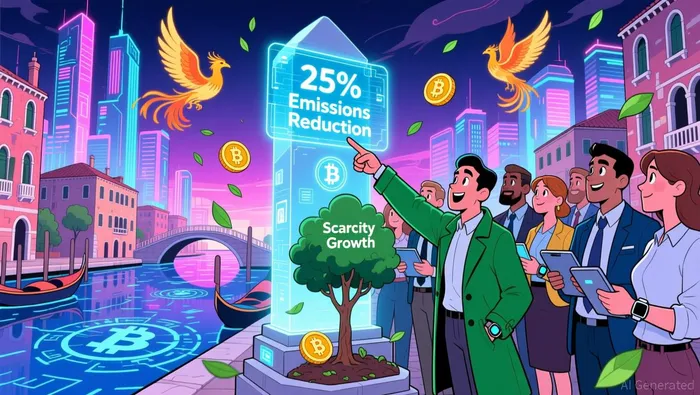
The emission reduction, set to take effect on 10 February 2026, is part of a broader strategy to improve the token's supply-demand balance, which historically supports stronger price performance. By reducing the structural sell pressure from validators, liquidity programs, and ecosystem incentives, Venice aims to create a more sustainable and attractive investment proposition for its stakeholders. The combination of reduced supply and increased utility is expected to resonate with investors looking for assets with tangible use cases in the evolving crypto landscape.
What are the implications of reduced emissions for VVV holders?
The reduction in annual emissions has several implications for VVV holders. Primarily, it aims to curb inflation, which can dilute the value of existing tokens. By decreasing the supply of new tokens entering the market, the project seeks to create a more favorable supply-demand dynamic. This can lead to a potential increase in the token's price, provided that demand for VVV remains stable or grows. The move is particularly significant for investors who are focused on long-term value creation and are wary of the inflationary effects of new supply.
Additionally, the integration of real-world utility through staking is a key factor in the token's value proposition. Users can now stake their VVV tokens to access a range of AI tools, which not only enhances the token's utility but also increases the demand for VVV. This demand is driven by the desire for users to engage with the platform's features, which can lead to increased network usage and further demand for the token.
How does the staking mechanism enhance VVV's value proposition?
The staking mechanism is a pivotal component of VVV's value proposition, as it allows users to engage with the platform's features while simultaneously earning rewards. By staking 100 VVV tokens, users can gain access to a Venice Pro Account, which offers enhanced functionalities and benefits. This approach aligns token utility with user value, as it incentivizes users to hold and stake their VVV tokens, thereby contributing to the platform's ecosystem. If the price of VVV remains stable or increases, users may see potential profits from their staking activities, further enhancing the token's appeal.
Moreover, the emission reduction is expected to support stronger price performance over the medium term. By creating a more sustainable supply of tokens, the project aims to foster a more attractive investment environment for stakeholders. This, in turn, can lead to increased adoption and usage of the platform's AI tools, as users seek to benefit from the functionalities provided by their staked tokens.
What are the potential risks or limitations associated with these changes?
While the emission reduction and staking mechanism present significant opportunities for VVV, there are also potential risks and limitations to consider. One of the primary risks is the reliance on the continued demand for AI tools and the functionality provided by staking. If the demand for these tools does not grow as anticipated, the benefits of reduced emissions and staking may not materialize as expected. This could lead to a stagnation in price performance and a lack of interest from potential investors.
Additionally, the success of the staking mechanism is contingent upon the overall health of the Venice ecosystem. If the platform fails to attract a sufficient number of users or if the functionality of the AI tools does not meet user expectations, the demand for VVV may not increase as anticipated. This could result in a lack of liquidity and potential downward pressure on the token's price. Furthermore, the integration of AI tools requires ongoing development and maintenance, which could pose challenges if the project faces resource constraints or if user feedback highlights issues with the tools' performance.
In conclusion, Venice Token's strategic reduction in emissions and the introduction of a staking mechanism are significant steps towards enhancing the token's value proposition. These changes aim to combat inflation, increase scarcity, and provide real-world utility through staking. While the potential benefits are substantial, it is essential for investors to remain aware of the risks and limitations associated with these developments. As the project evolves, the success of these strategies will depend on the continued demand for VVV and the functionality of the platform's AI tools.

Blending traditional trading wisdom with cutting-edge cryptocurrency insights.
Latest Articles
Stay ahead of the market.
Get curated U.S. market news, insights and key dates delivered to your inbox.






Comments
No comments yet