
VENICE TOKEN REDUCES EMISSIONS TO STRENGTHEN SCARCITY AND UTILITY
 Aime Summary
Venice Token (VVV) permanently reduced annual emissions by 25%, decreasing the supply from 8 million to 6 million tokens according to the report. This structural adjustment is intended to combat inflation, reduce sell pressure from validators and liquidity programs, and improve supply-demand balance as detailed in analysis.
Staking VVV allows users to mint DIEM tokens, which provide access to uncensored AI tools and daily $1 AI credits according to market voices. This utility is expected to enhance demand and support network security. The integration of GLM 4.7 as the default model further strengthens performance for advanced AI use cases as reported.
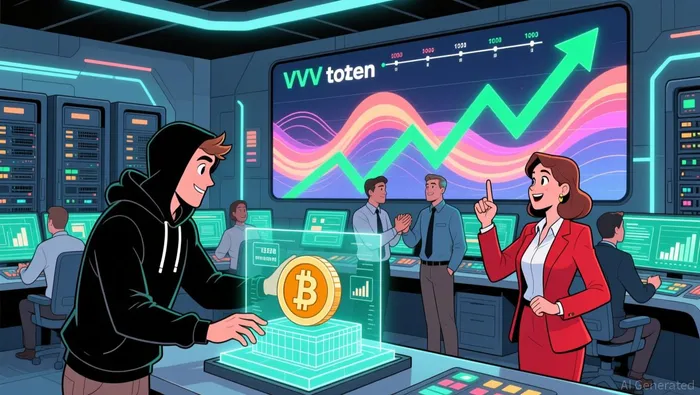
- A staking initiative introduced by Erik Voorhees allows users to stake 100 VVV tokens to gain a Venice Pro Account according to the announcement. This account can provide value if token prices stabilize or rise. If the price remains stable, users effectively get the Pro account for free according to analysis.
What Impact Will Reduced Emissions Have on VVV's Price Performance?
The reduction in emissions aims to align supply with demand, potentially increasing the long-term value for VVV holders as indicated. This move is intended to support stronger price performance by reducing inflation and structural sell pressure according to reports. A controlled supply may reduce downward pressure from excessive new token issuance, making the token more appealing to long-term investors as analysis shows.
How Does Staking Enhance VVV's Utility and Adoption?
Staking VVV allows users to mint DIEM, which provides access to uncensored AI tools and private API services according to the report. This utility supports real-world adoption and enhances the token's appeal as detailed. The Venice Pro Account initiative further aligns token utility with user incentives, creating a broader strategy to improve adoption according to market analysis.
What Are the Risks Associated with the Reduced Emissions Strategy?
The success of the reduced emissions strategy depends on sustained network usage and price stability according to analysis. If demand declines, the benefits from reduced emissions and staking incentives could be undermined as reported. Risks include stagnant demand and low adoption of the staking utility, which could hinder long-term value creation according to market data.

Blending traditional trading wisdom with cutting-edge cryptocurrency insights.
Latest Articles
Stay ahead of the market.
Get curated U.S. market news, insights and key dates delivered to your inbox.






Comments
No comments yet