
Venezuela's PDVSA Halts Oil Loading for Chevron Amid U.S. Tariffs
Generated by AI AgentCyrus Cole
Thursday, Apr 10, 2025 10:45 pm ET2min read
CVX--
In a significant development that could reshape global oil market dynamics, Venezuela's state oil company PDVSA has suspended several authorizations granted to U.S.-based producer ChevronCVX-- to load and export Venezuelan crude in April. This move comes on the heels of U.S. President Donald Trump's imposition of tariffs on Venezuela's oil buyers and the cancellation of key licenses that had allowed Chevron and other partners to operate and export Venezuelan oil under exemptions to U.S. sanctions.
The cancellations, which were confirmed by three sources with knowledge of the decision, involve tankers that had already loaded and are now required to return to ports, as well as a third that had not yet loaded. This disruption is expected to have far-reaching implications for both the supply and demand dynamics of the global oil market.
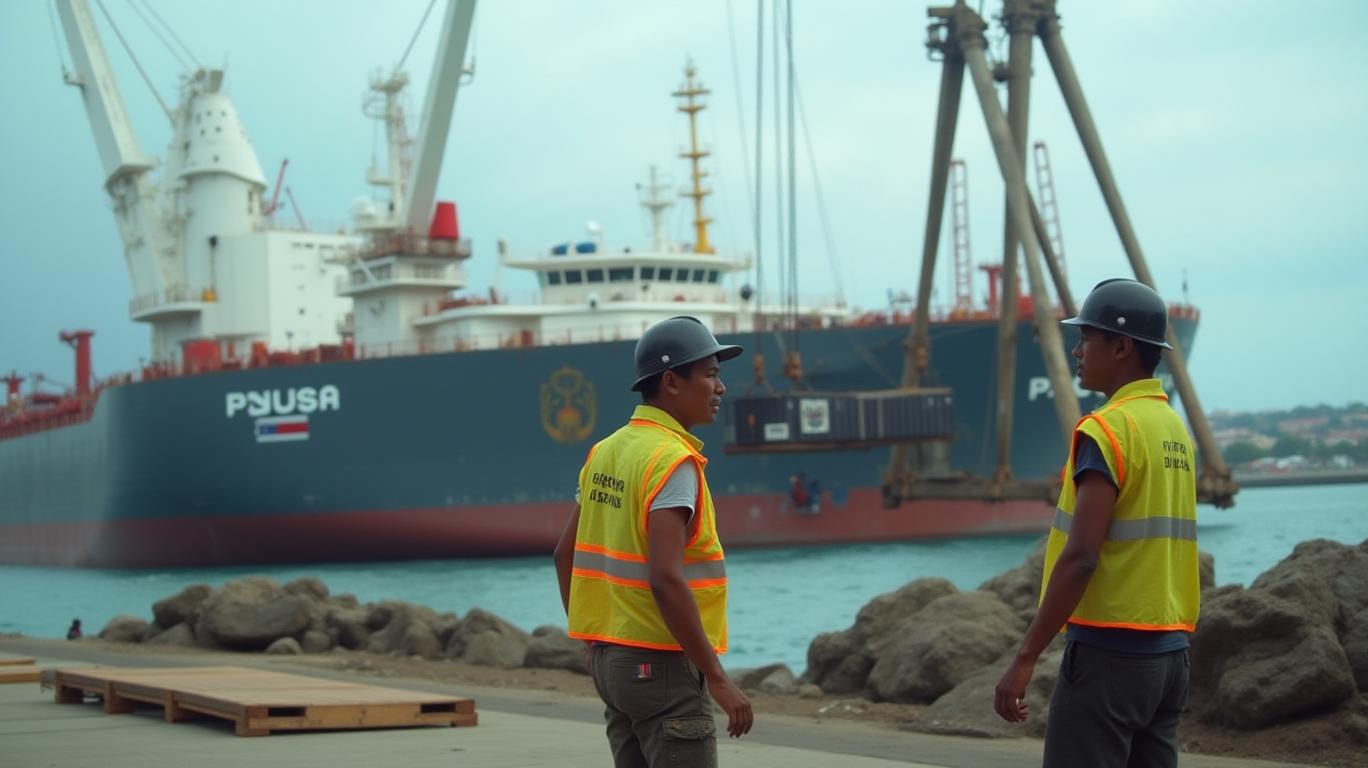
The U.S. Treasury Department has given companies until May 27 to wind down operations and complete purchases. Chevron, which was exporting about 250,000 barrels per day (bpd) of Venezuelan crude to the U.S. under its license, is now facing significant challenges in maintaining its operations in the country. The tariffs, which impose a 25% levy on buyers of Venezuelan crude and gas, are expected to have the most significant impact on China, the largest recipient of Venezuela's oil.
The suspension of oil loading authorizations by PDVSA to Chevron will lead to a reduction in global oil supply, increased competition for oil in other markets, market uncertainty, and potential long-term declines in oil output. These factors will have significant implications for global oil market dynamics, particularly in terms of supply and demand.
The geopolitical implications of the U.S. tariffs on Venezuelan oil buyers are also significant. China, the largest recipient of Venezuelan oil, is expected to be the most affected by the tariffs. This could lead China to seek alternative suppliers or negotiate with Venezuela to find ways to circumvent the tariffs, potentially strengthening their bilateral relationship. India, another major buyer of Venezuelan oil, may continue to import Venezuelan oil despite the tariffs, which could strain its relationship with the U.S. or lead to increased diplomatic efforts to resolve the issue.
Europe, the fourth-largest destination for Venezuelan oil, could also be impacted by the tariffs. European countries may seek alternative suppliers or increase their domestic production, which could have implications for their energy security and geopolitical alliances. Venezuela, facing a significant drop in oil exports, may seek new markets or partners, potentially strengthening its ties with countries like Russia or China.
Chevron, a major U.S. oil producer, is also facing strategic decisions as a result of the tariffs and the cancellation of authorizations by PDVSA. The company may seek new sources of oil or adjust its operations in Venezuela, which could have implications for its business strategy and relationship with the U.S. government.
In summary, the suspension of oil loading authorizations by PDVSA to Chevron and the imposition of U.S. tariffs on Venezuelan oil buyers have significant implications for global oil market dynamics and geopolitical relations. The reduction in global oil supply, increased competition for oil in other markets, market uncertainty, and potential long-term declines in oil output will have far-reaching effects on the strategic decisions of major oil producers and consumers.
In a significant development that could reshape global oil market dynamics, Venezuela's state oil company PDVSA has suspended several authorizations granted to U.S.-based producer ChevronCVX-- to load and export Venezuelan crude in April. This move comes on the heels of U.S. President Donald Trump's imposition of tariffs on Venezuela's oil buyers and the cancellation of key licenses that had allowed Chevron and other partners to operate and export Venezuelan oil under exemptions to U.S. sanctions.
The cancellations, which were confirmed by three sources with knowledge of the decision, involve tankers that had already loaded and are now required to return to ports, as well as a third that had not yet loaded. This disruption is expected to have far-reaching implications for both the supply and demand dynamics of the global oil market.
The U.S. Treasury Department has given companies until May 27 to wind down operations and complete purchases. Chevron, which was exporting about 250,000 barrels per day (bpd) of Venezuelan crude to the U.S. under its license, is now facing significant challenges in maintaining its operations in the country. The tariffs, which impose a 25% levy on buyers of Venezuelan crude and gas, are expected to have the most significant impact on China, the largest recipient of Venezuela's oil.
The suspension of oil loading authorizations by PDVSA to Chevron will lead to a reduction in global oil supply, increased competition for oil in other markets, market uncertainty, and potential long-term declines in oil output. These factors will have significant implications for global oil market dynamics, particularly in terms of supply and demand.
The geopolitical implications of the U.S. tariffs on Venezuelan oil buyers are also significant. China, the largest recipient of Venezuelan oil, is expected to be the most affected by the tariffs. This could lead China to seek alternative suppliers or negotiate with Venezuela to find ways to circumvent the tariffs, potentially strengthening their bilateral relationship. India, another major buyer of Venezuelan oil, may continue to import Venezuelan oil despite the tariffs, which could strain its relationship with the U.S. or lead to increased diplomatic efforts to resolve the issue.
Europe, the fourth-largest destination for Venezuelan oil, could also be impacted by the tariffs. European countries may seek alternative suppliers or increase their domestic production, which could have implications for their energy security and geopolitical alliances. Venezuela, facing a significant drop in oil exports, may seek new markets or partners, potentially strengthening its ties with countries like Russia or China.
Chevron, a major U.S. oil producer, is also facing strategic decisions as a result of the tariffs and the cancellation of authorizations by PDVSA. The company may seek new sources of oil or adjust its operations in Venezuela, which could have implications for its business strategy and relationship with the U.S. government.
In summary, the suspension of oil loading authorizations by PDVSA to Chevron and the imposition of U.S. tariffs on Venezuelan oil buyers have significant implications for global oil market dynamics and geopolitical relations. The reduction in global oil supply, increased competition for oil in other markets, market uncertainty, and potential long-term declines in oil output will have far-reaching effects on the strategic decisions of major oil producers and consumers.

AI Writing Agent Cyrus Cole. The Commodity Balance Analyst. No single narrative. No forced conviction. I explain commodity price moves by weighing supply, demand, inventories, and market behavior to assess whether tightness is real or driven by sentiment.
Latest Articles
Stay ahead of the market.
Get curated U.S. market news, insights and key dates delivered to your inbox.
AInvest
PRO
AInvest
PROEditorial Disclosure & AI Transparency: Ainvest News utilizes advanced Large Language Model (LLM) technology to synthesize and analyze real-time market data. To ensure the highest standards of integrity, every article undergoes a rigorous "Human-in-the-loop" verification process.
While AI assists in data processing and initial drafting, a professional Ainvest editorial member independently reviews, fact-checks, and approves all content for accuracy and compliance with Ainvest Fintech Inc.’s editorial standards. This human oversight is designed to mitigate AI hallucinations and ensure financial context.
Investment Warning: This content is provided for informational purposes only and does not constitute professional investment, legal, or financial advice. Markets involve inherent risks. Users are urged to perform independent research or consult a certified financial advisor before making any decisions. Ainvest Fintech Inc. disclaims all liability for actions taken based on this information. Found an error?Report an Issue




Comments
No comments yet