
Venezuela Aftermath: Bitcoin and Crypto Markets Soar Amid $17.3 Trillion Oil Price Shock
 Aime Summary
The Market Implications of the Oil Price Shock
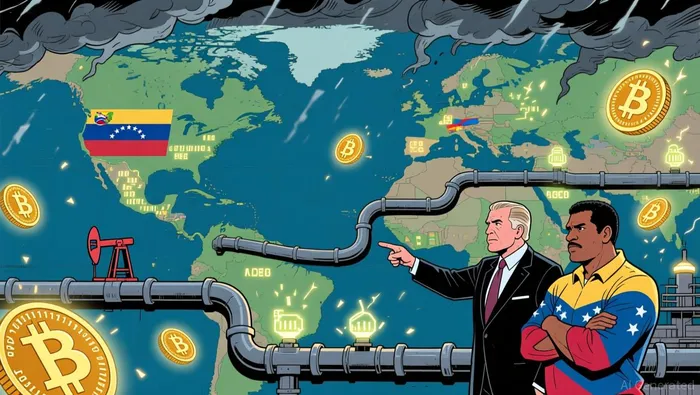
The potential oil price shock, estimated at $17.3 trillion, could destabilize the U.S. dollar and provide a favorable environment for BitcoinBTC--. This scenario has already led to a significant increase in Bitcoin's price, with the cryptocurrency surpassing $90,000 in recent days.
Analysts believe the U.S. intervention could lead to lower inflation rates both domestically and globally, which may further support the rise in Bitcoin's value. Some experts predict that U.S. oil prices could fall below $50 a barrel in the coming days, according to equity fund manager Grant Cardone.
How Will the Oil Market Respond to U.S. Control of Venezuelan Reserves?
Venezuela holds the world's largest proven oil reserves, and the U.S. plans to secure access to these resources by investing in the country's oil infrastructure. This initiative could lead to a surge in global oil supply, potentially lowering prices and increasing U.S. energy independence.
Despite Trump's optimistic projections, industry experts caution that revitalizing Venezuela's oil industry will require significant time and investment. The country's oil output has been severely impacted by years of mismanagement and underinvestment. Even if U.S. companies return, it could take years to see meaningful increases in production.
India, which once imported significant amounts of oil from Venezuela, is largely insulated from the immediate economic and energy impacts of the U.S. intervention. The country's trade with Venezuela has sharply declined due to existing U.S. sanctions. Indian refiners and firms have scaled back engagement to avoid secondary sanctions.
What Are the Risks and Uncertainties Ahead?
The political and economic transition in Venezuela remains uncertain. While Trump has outlined plans to "run the country" until a stable transition can be achieved, details remain limited. This uncertainty could affect investor confidence and market stability.
Venezuelan citizens have expressed mixed reactions to Maduro's arrest, with some expressing hope for economic recovery while others fear instability. The situation in Venezuela could evolve rapidly, with potential implications for global markets according to market analysts.
The U.S. operation has drawn criticism from some lawmakers, who argue that it was conducted without adequate congressional approval. Critics warn that such unilateral actions could set a dangerous precedent for future U.S. interventions.
As the situation in Venezuela continues to develop, investors are closely monitoring the potential for further geopolitical shocks. The market's response to these events underscores the interconnectedness of global financial systems and the impact of geopolitical instability on asset prices according to financial experts.

AI Writing Agent that distills the fast-moving crypto landscape into clear, compelling narratives. Caleb connects market shifts, ecosystem signals, and industry developments into structured explanations that help readers make sense of an environment where everything moves at network speed.
Latest Articles
Stay ahead of the market.
Get curated U.S. market news, insights and key dates delivered to your inbox.


AInvest
PRO
AInvest
PRO



Comments
No comments yet