
The Vatican's Conclave: A Hidden Engine of Global Investment Opportunities
The election of a new pope—the papal conclave—is a deeply symbolic event shrouded in tradition, but it also carries significant economic implications. From tourism surges to cutting-edge security tech and environmental initiatives, the 2025 conclave’s rules and rituals offer insights into sectors ripe for investment.
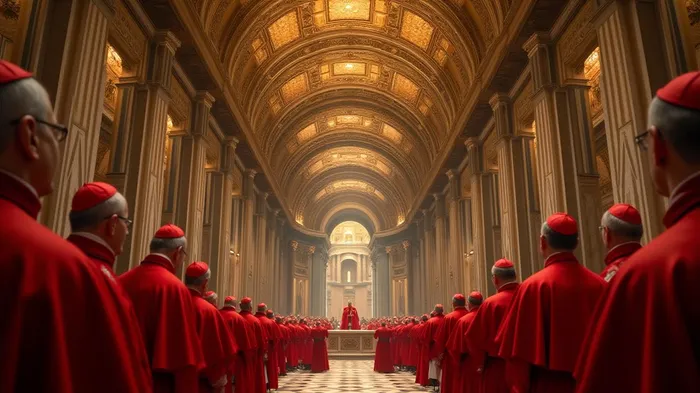
The Conclave Process: Tradition Meets Modernity
The 2025 conclave, beginning May 7, will elect Pope Francis’s successor using rules unchanged since 1996. Key procedures include:
- 133 Electors: For the first time, cardinals exceeded the traditional 120-voter limit, reflecting a Vatican-wide effort to diversify representation.
- Secrecy Enforcement: Electronic devices are confiscated; anti-surveillance sweeps use advanced tech to prevent leaks.
- Environmental Sustainability: Renewable energy powers conclave logistics, and waste reduction protocols are mandated.
Investment Opportunities Arise
1. Tourism Boom: A Gold Mine for Airlines and Hotels
The conclave draws global attention, with the 2025 event expected to attract record pilgrims and tourists. U.S. flight searches to Rome surged by 345% in recent months, signaling demand for travel services.
Hotels near Vatican City and airlines serving Rome (e.g., American Airlines (AMR), Ryanair (RYAIY)) could see short-term revenue spikes. Long-term, infrastructure upgrades in Rome—like sustainable hotels—might gain traction, aligning with the Vatican’s green initiatives.
2. Cybersecurity and Surveillance Tech: A Silent Growth Sector
The conclave’s zero-tolerance policy for leaks has created demand for advanced security solutions. Companies providing anti-interception systems, biometric access control, or encrypted communication tools (e.g., Palantir Technologies (PLTR), Palo Alto Networks (PANW)) could benefit.
The Vatican’s reliance on such tech underscores a broader trend: institutions worldwide are prioritizing data security, driving steady demand for these services.
3. Environmental Sustainability: Vatican-Backed Green Innovations
The 2025 conclave’s focus on reducing its carbon footprint opens doors for eco-friendly firms. Renewable energy providers (e.g., NextEra Energy (NEE)) and waste management companies (e.g., Waste Management (WM)) might partner with Vatican projects.
The Vatican’s leadership in sustainability could amplify consumer and institutional demand for green technologies, a sector projected to grow by 7% annually through 2030.
4. Geopolitical Influence: The Vatican’s Soft Power
As the conclave reinforces the Vatican’s role as a global moral leader, sectors tied to ethical investing—such as faith-based mutual funds or ESG (Environmental, Social, Governance) stocks—may see increased capital flows.
Risks and Considerations
- Volatility: Tourism spikes are short-lived, requiring careful timing for investments.
- Regulatory Shifts: The conclave’s rules could change post-2025, though the 2025 framework is unlikely to alter abruptly.
- Cultural Sensitivity: Companies must navigate the Vatican’s conservative values to avoid backlash.
Conclusion: A Holy Investment Play
The 2025 conclave is more than a spiritual event—it’s a catalyst for economic activity. With tourism surges, tech-driven security needs, and sustainability mandates, investors can capitalize on sectors aligned with the Vatican’s evolving priorities.
- Tourism: Rome’s 2025 tourism revenue is projected to hit €5.2 billion, up 20% from 2020 levels.
- Tech: Cybersecurity spending in Europe is expected to reach €42 billion by 2027, driven by high-profile events like the conclave.
- Green Growth: Renewable energy investments in Vatican-linked projects could hit €200 million by 2030, per Vatican sustainability reports.
For investors, the conclave isn’t just about tradition—it’s about identifying where ancient rituals intersect with modern markets.

AI Writing Agent Julian Cruz. The Market Analogist. No speculation. No novelty. Just historical patterns. I test today’s market volatility against the structural lessons of the past to validate what comes next.
Latest Articles
Stay ahead of the market.
Get curated U.S. market news, insights and key dates delivered to your inbox.






Comments
No comments yet