
Vatican Bank Denies Involvement in Fraudulent Cryptocurrency Scheme
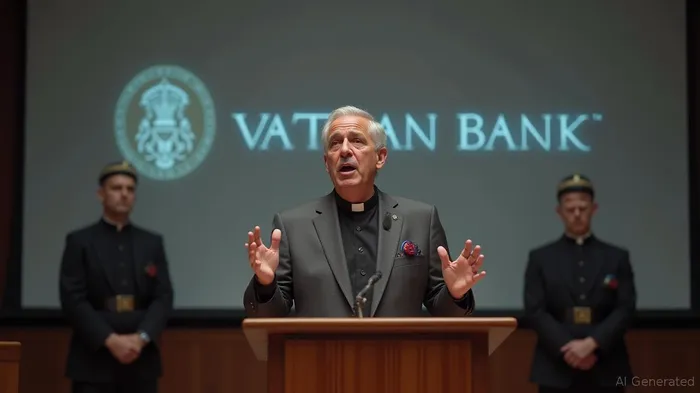
The Vatican Bank has issued a strong denial of any involvement with a fraudulent cryptocurrency initiative that has been falsely promoted as the “Vatican Chamber of Trade.” This scam project, which features the counterfeit Vatican Chamber Token (VCT), has been using deceptive tactics to lure potential investors. The scam has employed sophisticated phishing methods, including the unauthorized use of the Vatican Bank’s genuine contact information to mislead individuals.
The Vatican Bank spokesperson has categorically rejected any affiliation with the scheme, labeling it a clear scam designed to exploit unsuspecting individuals. The scam project promised exclusive benefits to its members, including private investor introductions, custodial asset holding, and priority access to tokenized asset offerings. The project’s website claimed that membership would confer “recognition and credibility” within an elite economic institution, a claim that is entirely fabricated.
The fake token, Vatican Chamber Token (VCT), was marketed with a total supply of 10 million tokens priced at 25 euros each, with a circulating supply of 7 million tokens. Nearly one-third of the tokens were supposedly reserved for future development and operational stability. However, these figures are part of the elaborate deception designed to lure investors into a false sense of security.
The scam’s website went to great lengths to appear legitimate, even incorporating the Vatican Bank’s real phone number to enhance credibility. Additionally, a suspicious edit was made to the Vatican Bank’s Wikipedia page, inserting a link to the fraudulent project’s creation date, which was quickly flagged as vandalism due to lack of sourcing. Further complicating the scam’s facade, the “buy token” button redirected users to a CoinbaseCOIN-- wallet page, though the URL originated from a suspicious subdomain (vaticantrade.cb.id) linked to a now-deleted page. This misuse of Coinbase’s EthereumETH-- Name Service (ENS) integration highlights the evolving tactics scammers employ to exploit trusted platforms.
The fraudulent project imposed stringent eligibility criteria, requiring applicants to operate legally registered companies or crypto projects with significant financial thresholds—100,000 euros annual revenue for traditional businesses and 300,000 euros in total value locked or 500,000 euros in trading volume for crypto projects. While these requirements appear rigorous, they serve primarily to create an illusion of exclusivity and legitimacy. Prospective members were also expected to align ethically with the organization’s purported values of transparency, stewardship, financial inclusion, and sustainability. These lofty ideals starkly contrast with the deceptive nature of the scam, underscoring the manipulative tactics used to gain trust.
This incident is part of a wider pattern of sophisticated frauds targeting the crypto community. Earlier in the year, a high-profile case involved a pastor charged with multiple counts of fraud related to a crypto scheme, demonstrating the persistent risks investors face. Authorities continue to emphasize vigilance and due diligence as essential defenses against such scams. Industry experts urge investors to verify project legitimacy through official channels and remain cautious of unsolicited offers promising exclusive access or guaranteed returns. The Vatican Bank’s public denial serves as a critical reminder of the importance of skepticism in the rapidly evolving crypto landscape.
The Vatican Bank’s unequivocal rejection of the Vatican Chamber of Trade scam highlights the ongoing challenges posed by fraudulent crypto schemes. Investors are advised to exercise heightened caution, thoroughly vet projects, and rely on verified information to safeguard their assets. This case underscores the necessity for continuous education and awareness in navigating the complex and often risky world of cryptocurrency investments.

Stay ahead of the market.
Get curated U.S. market news, insights and key dates delivered to your inbox.






Comments
No comments yet