
Valero Port Arthur Refinery: Why Investors Should Pay Attention Now
 Aime Summary
The ValeroVLO-- Port Arthur refinery is a major U.S. oil refining hub with recent regulatory and safety concerns. The facility has been under scrutiny from the Environmental Protection Agency (EPA) and state regulators. Investors should monitor operational disruptions and potential fines that could affect Valero's earnings. Regulatory pressures and community concerns may influence Valero's long-term operating strategy. Safety improvements and environmental compliance remain key risks and opportunities.
Valero Energy's Port Arthur refinery remains a focal point for investors due to its scale and recent regulatory challenges. As the second-largest refinery in the U.S., the facility is crucial to Valero's overall production and profitability. However, recent inspections and community concerns have brought the site into the spotlight, especially as environmental compliance becomes more central to investor risk assessments in the energy sector. With the EPA and the Texas Commission on Environmental Quality (TCEQ) conducting ongoing investigations, any changes to operating licenses or safety protocols could affect Valero's performance.
What Is the Role of the Valero Port Arthur Refinery in the Company's Operations?
Located in Port Arthur, Texas, Valero's refinery has a crude distillation capacity of over 300,000 barrels per day, making it one of the largest refining operations in the United States according to EPA data. The facility produces a wide range of refined products, including gasoline, diesel, and jet fuel, which are essential to Valero's downstream business. It also plays a key role in the company's overall refining margin, which is a critical metric for energy investors tracking profitability.
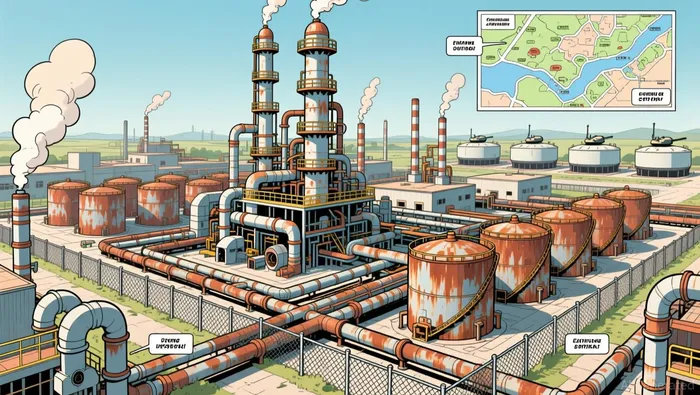
The refinery is part of a broader network of assets across the U.S., but its sheer size and location in a region with high industrial activity make it a critical player in Valero's refining segment. Recent regulatory reviews, however, have raised questions about whether the facility will maintain its current operational status without modifications or penalties that could impact the company's earnings.
Why Is the Valero Port Arthur Refinery Drawing Regulatory Scrutiny?
The refinery has been under regulatory review due to a combination of environmental and safety concerns. In recent months, the EPA has cited the facility for potential violations of the , including issues related to emissions and waste management according to TCEQ reports. At the same time, the TCEQ has issued orders requiring Valero to implement additional safety measures, particularly in response to past incidents involving flaring and .
These developments come at a time when public pressure is mounting for energy companies to align with stricter environmental standards. Any enforcement actions or fines could have a direct impact on Valero's operating costs and investor confidence. Additionally, the refinery has a history of incidents, such as explosions and leaks, which have drawn local media coverage and raised concerns about community safety.
What Are the Implications for Valero's Investors and Earnings?
For Valero's investors, the Port Arthur refinery is a major asset but also a potential source of volatility. Any operational disruptions—whether from regulatory compliance efforts, community pressure, or physical incidents—can affect refining margins and, by extension, Valero's stock performance. While Valero has historically managed to navigate similar issues at other refineries, the scale of the Port Arthur facility means the impact could be more pronounced here.
Moreover, the company's broader strategic direction is increasingly influenced by sustainability and regulatory trends. As a major player in the refining sector, Valero must balance profitability with environmental responsibility. If the Port Arthur refinery requires significant capital investment to meet new regulations, that could shift the company's capital allocation priorities and influence its long-term growth prospects.
What Should Investors Watch for Going Forward?
The key for investors is to monitor any regulatory updates or enforcement actions related to the Port Arthur facility. This includes watching for changes in operational licenses, new compliance requirements, or community responses that could lead to legal challenges. Valero's ability to adapt its refining operations to meet these demands will be a crucial factor in its future performance.
Additionally, investors should keep an eye on Valero's capital expenditures and earnings reports to gauge how the company is managing the costs associated with maintaining and upgrading its refining assets. Any significant delays or penalties could provide early signals of broader operational challenges.
In the near term, the Port Arthur refinery remains a key asset for Valero, but its future will depend on how well the company can balance regulatory compliance with operational efficiency. For now, investors should remain attentive to developments in both the regulatory and market environments that could shape Valero's trajectory in 2026 and beyond.

Stay ahead of the market.
Get curated U.S. market news, insights and key dates delivered to your inbox.
AInvest
PRO
AInvest
PRO



Comments
No comments yet