
Valero's Port Arthur Refinery Explosion: Impact on Fuel Markets and Safety Protocols
 Aime Summary
A major explosion at Valero’s Port Arthur Refinery in Texas forced residents to shelter in place but caused no injuries. - The facility, one of the largest in the U.S., . - The incident occurred amid rising global oil prices due to geopolitical tensions in the MEast. - Emergency responders and air quality officials managed the situation effectively, with the shelter-in-place order lifted after nearly 12 hours. - The incident highlights potential operational and safety risks for large-scale energy infrastructure, especially during periods of global oil price volatility.
A massive explosion at Valero’s Port Arthur Refinery in Texas sent plumes of smoke into the air and forced nearby residents to shelter in place. While no injuries were reported and the fire was successfully contained, the incident has raised questions about the safety protocols of major oil refineries and the broader implications for fuel prices. As one of the largest refineries in the U.S., the Port Arthur facility is a crucial player in the energy supply chain, especially during periods of global oil market uncertainty. The event also comes at a time when fuel prices are already elevated due to ongoing geopolitical tensions in the Middle East.
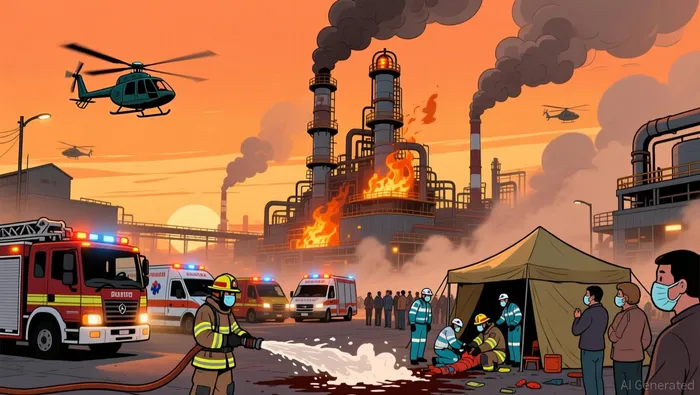
What Happened During the Port Arthur Texas Oil Refinery Explosion?
The explosion occurred at Valero’s Port Arthur refinery, . The explosion led to a fire in a diesel processing unit, prompting local officials to issue a shelter-in-place order for residents in the affected area. Emergency personnel from ValeroVLO--, the Port Arthur Fire Department, and the were deployed to manage the situation. Air quality monitoring was also conducted to ensure public safety. By early Tuesday morning, the fire had been extinguished and the shelter-in-place order was lifted, with no injuries or fatalities reported according to reports.
The incident underscores the inherent risks associated with large-scale oil refining operations and the importance of rigorous safety measures. While Valero has been praised for its coordinated response, the cause of the explosion remains under investigation. Jefferson County Sheriff Zena Stephens suggested it may have been related to a heater unit, though a final determination has not yet been made as authorities indicated.
Why Is the Valero Refinery Explosion a Concern for Investors and Market Participants?
The Port Arthur refinery is among the largest in the U.S., and its operations have a significant impact on fuel markets. The facility produces gasoline, diesel, and jet fuel, all of which are essential to the broader energy economy. The explosion and subsequent fire temporarily disrupted operations, raising concerns about the potential ripple effects on fuel prices and supply chains. In the current environment of rising global oil prices — exacerbated by ongoing geopolitical tensions in the Middle East — such disruptions can further tighten the market and contribute to upward pressure on prices.
At the time of the incident, , . These prices are well above the levels seen just a month prior and represent a key cost driver for various sectors, including transportation and agriculture. Given the timing of the explosion — just before the northern hemisphere planting season — any prolonged disruption to diesel production could further amplify the impact on food prices and economic activity.
From an investor perspective, the explosion at Valero’s Port Arthur refinery raises questions about operational risk, safety protocols, and the company’s ability to manage unexpected events. Valero, as one of the largest oil refiners in the U.S., must balance production efficiency with safety and environmental compliance. The incident also highlights the broader volatility in the energy sector, especially when geopolitical tensions and global supply constraints intersect with operational disruptions.
What to Watch as the Aftermath of the Explosion Unfolds
In the days and weeks following the explosion, the focus will likely remain on the cause of the incident and the effectiveness of emergency response protocols. has indicated that a post-incident review will be conducted in collaboration with Valero to assess the response and identify lessons for future preparedness . Such reviews are a standard part of incident management in the energy sector and can provide valuable insights into risk mitigation strategies.
Investors should also monitor any regulatory developments in the aftermath of the explosion. The Texas Commission on Environmental Quality (TCEQ) and other agencies will likely review the incident to ensure compliance with environmental and safety regulations. Additionally, the long-term impact on fuel prices will depend on whether the refinery is able to return to full production quickly and how the broader global energy market evolves in the coming weeks.
Ultimately, the Port Arthur refinery explosion serves as a reminder of the complex interplay between operational risks, global supply dynamics, and market outcomes in the energy sector. For investors, staying informed about the latest developments — including updates on the cause of the explosion, regulatory actions, and fuel price trends — will be essential in navigating the evolving landscape of the energy market.

Stay ahead of the market.
Get curated U.S. market news, insights and key dates delivered to your inbox.
AInvest
PRO
AInvest
PRO



Comments
No comments yet