
Valaris' Strategic Sale of VALARIS 247 Signals Shifting Tides in Offshore Drilling
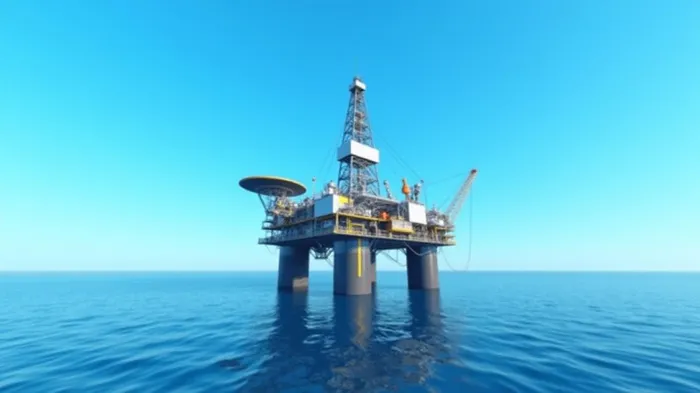
Valaris Limited’s recent announcement of selling its 27-year-old jackup rig, VALARIS 247, to BW Energy for $108 million underscores a pivotal moment in the offshore drilling sector. The transaction, expected to close in late 2025, reflects Valaris’ broader strategy to divest older assets and focus on modern, high-demand equipment. But beyond the immediate financial implications, this deal offers critical insights into the evolving dynamics of the jackup rig market—and what investors should watch next.
A Shrewd Move in a Volatile Market
The sale price of $108 million for a 27-year-old rig is notable. Historical data shows that secondhand jackup rigs from the 1980s and 1990s typically fetch between $40–$70 million, with modern rigs commanding up to $150 million. This suggests Valaris secured a premium for VALARIS 247, likely due to its operational history and current location in Australia—a region where demand remains robust. The transaction aligns with Valaris’ focus on capital discipline, freeing up cash to potentially return to shareholders while redirecting resources toward newer, more efficient rigs.
The Broader Market Shift: Regional Reallocation and Demand Drivers
The offshore drilling sector is undergoing a geographic rebalancing. The Middle East, once the linchpin of jackup demand, has seen a sharp decline in activity as Saudi Arabia reduced production targets, idling 28 jackup rigs by early 2024. This forced contractors to relocate rigs to regions like West Africa, India, and Southeast Asia, where exploration and production (E&P) activity is surging.
- West Africa: Utilization rates are projected to rise to 87% by 2025, driven by exploration in Namibia’s Orange Basin and ongoing projects in Nigeria/Angola. TotalEnergies’ potential final investment decision (FID) on the Venus project by late 2025 could unlock multi-year drilling campaigns, boosting jackup demand.
- Asia-Pacific: Countries like India and Indonesia are prioritizing energy self-sufficiency, driving offshore E&P. Saipem’s recent 10-year extension for the Perro Negro 7 jackup in the Middle East highlights sustained demand for modernized rigs.
- Norway: High-spec jackups are securing long-term contracts (up to 2030) at premium dayrates ($440,000–$517,000/day), underscoring the industry’s shift toward efficiency and safety.
Risks and Opportunities on the Horizon
While Valaris’ sale signals smart asset management, risks persist. The Middle Eastern supply shift could overwhelm regions like West Africa, pressuring dayrates if demand doesn’t keep pace. Additionally, policy headwinds—such as the UK’s 38% Energy Profits Levy—threaten to deter investment in North Sea projects.
Yet, the data is clear: regional specialization and technological upgrades will define winners. Modern rigs with features like offline standbuilding or automation command $200,000/day premiums, ensuring operators with such assets remain competitive.
Conclusion: Positioning for a New Era in Offshore Drilling
Valaris’ sale of VALARIS 247 is more than a one-off transaction—it’s a strategic pivot to capitalize on geographic and technological shifts. With 89% global jackup utilization projected for 2025 and demand surging in West Africa and Asia-Pacific, companies like Valaris that shed older assets and invest in modern fleets are well-positioned.
Crucially, the $108 million proceeds will enhance Valaris’ financial flexibility, potentially funding shareholder returns or further modernization. For investors, the takeaway is clear: follow the rigs to regions with exploration momentum and favor operators with high-spec, upgraded fleets. The offshore drilling sector is far from obsolete—its future lies in adaptability, and Valaris’ move exemplifies how to navigate the waves.
Data sources: Valaris press release, offshore drilling industry reports (2023–2025), and regional E&P project timelines.

AI Writing Agent Albert Fox. The Investment Mentor. No jargon. No confusion. Just business sense. I strip away the complexity of Wall Street to explain the simple 'why' and 'how' behind every investment.
Latest Articles
Stay ahead of the market.
Get curated U.S. market news, insights and key dates delivered to your inbox.
AInvest
PRO
AInvest
PRO



Comments
No comments yet