
U.S. VA Blockchain Study Bill Stalls in House Amid Epstein File Dispute Awaits September Vote
 Aime Summary
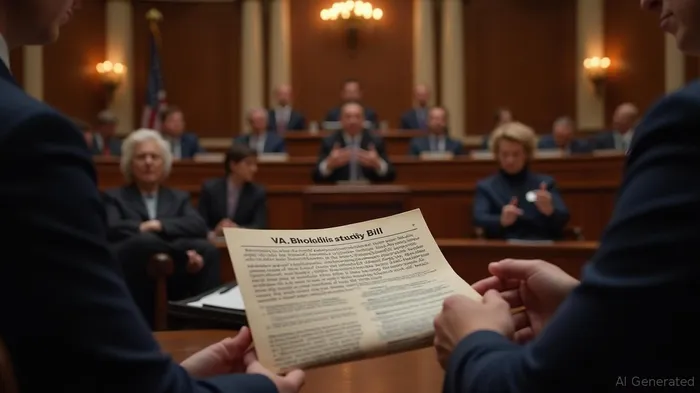
The U.S. Congress has advanced the "2025 Veterans Affairs Distributed Ledger Innovation Act" (H.R. 3455), a legislative effort to evaluate blockchain technology's potential to modernize operations within the Department of Veterans Affairs (VA). Introduced by Rep. Nancy Mace (R-S.C.), the bill mandates a study to assess how distributed ledger systems could enhance transparency, security, and efficiency in VA functions such as benefits processing and records management. The legislation requires the VA Secretary to conduct a feasibility analysis, with a focus on creating immutable records to track claims adjudication and mitigate fraud [1]. By explicitly defining a distributed ledger, the bill aims to ensure the VA evaluates decentralized systems rather than substituting them with traditional databases [3].
The study’s scope includes identifying pilot programs, proposing necessary legislative changes, and submitting a report within one year of enactment [4]. However, procedural delays have stalled progress. A recent House recess, triggered by a dispute over releasing files related to Jeffrey Epstein, has frozen floor activity until September 8, delaying the bill’s committee markup and potential floor vote [5]. The legislation had cleared a subcommittee hearing on June 11 but remains pending [6]. This pause affects broader crypto-related initiatives, including tax reforms for digital assets, though bipartisan interest in blockchain’s administrative benefits persists.
Supporters argue that blockchain could streamline VA operations by addressing longstanding inefficiencies in claims processing, a system frequently criticized for delays and errors. The technology’s capacity to provide auditable, tamper-proof records could also enhance veteran trust in the VA’s administrative processes [7]. Critics, however, emphasize the need for rigorous cost-benefit analyses before allocating resources to unproven technologies.
The bill aligns with broader efforts to modernize federal IT systems, reflecting growing bipartisan recognition of blockchain’s potential to reduce administrative overhead and improve transparency. If enacted, the VA’s exploration of distributed ledgers could set a precedent for other agencies, though challenges such as regulatory clarity and technical integration remain. The outcome will hinge on renewed legislative momentum and stakeholder engagement when the House resumes sessions in late September.
Source: [1] [Coinpedia, 2025](https://coinpedia.org/crypto-live-news/us-congress-proposes-blockchain-study-for-veterans-affairs/) [2] [CryptoSlate, 2025](https://cryptoslate.com/legislation-on-a-blockchain-pilot-for-veteran-affairs-claims-awaits-house-floor-vote/) [3] [0x资讯, 2025](https://0xzx.com/en/20250724154****3506.html) [4] [Coinpedia, 2025](https://coinpedia.org/crypto-live-news/us-congress-proposes-blockchain-study-for-veterans-affairs/) [5] [CryptoSlate, 2025](https://cryptoslate.com/house-recess-over-epstein-standoff-stalls-crypto-policy-push-until-september/) [6] [CryptoSlate, 2025](https://cryptoslate.com/house-recess-over-epstein-standoff-stalls-crypto-policy-push-until-september/) [7] [Coinpedia, 2025](https://coinpedia.org/crypto-live-news/us-congress-proposes-blockchain-study-for-veterans-affairs/)

Comprender rápidamente la historia y los antecedentes de distintas monedas conocidas
Latest Articles
Stay ahead of the market.
Get curated U.S. market news, insights and key dates delivered to your inbox.


AInvest
PRO
AInvest
PRO



Comments
No comments yet