
Utility Rate Stability and Energy Investment Opportunities


 Aime Summary
A Consumer-Centric Strategy in Action
Alabama Power's rate freeze is underpinned by a suite of internal cost-containment measures. By delaying rate adjustments tied to the acquisition of the Lindsay Hill Generating Station until 2028, the company aims to absorb capital expenditures internally rather than passing them to consumers. Additionally, the utility plans to leverage 2024 nuclear production tax credits to offset retail service costs, a move that could mitigate upward pressure on rates. These steps reflect a deliberate effort to insulate customers from short-term volatility, particularly as households grapple with inflationary pressures. stated in the filing, the freeze is designed to "provide stability during a time of rising costs."
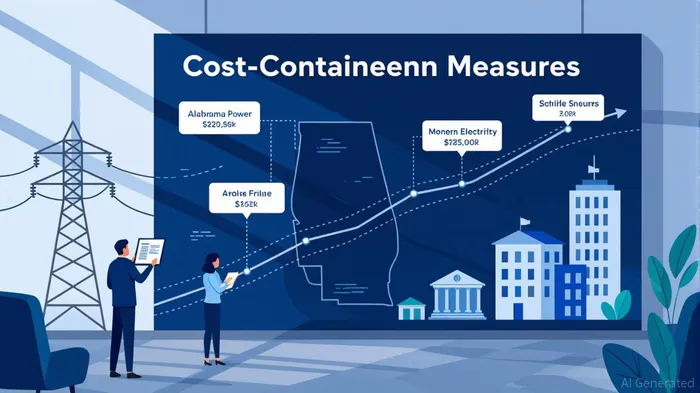
The utility's proposal also includes reallocating customer refunds from the Rate Stabilization and Equalization (RSE) program to its , which currently holds a negative balance. This adjustment, while controversial, underscores a pragmatic approach to risk management. By bolstering reserves for storm-related expenses, Alabama Power seeks to avoid future rate hikes driven by unforeseen events-a strategy that could enhance long-term predictability for consumers.
Energy Equity and the Unseen Trade-Offs
While the rate freeze is framed as a consumer-centric policy, its implications for energy equity remain nuanced. By stabilizing rates, Alabama Power may alleviate financial strain for low-income households, which often spend a disproportionate share of their income on utilities. However, the absence of third-party analyses complicates assessments of whether the policy disproportionately benefits higher-income customers or exacerbates underfunding of grid modernization efforts. The company's own filings acknowledge that external factors-such as extreme weather or fuel market shocks-could disrupt its rate-stability commitments. Such vulnerabilities highlight the tension between affordability and the need for robust infrastructure investment, a challenge central to equitable energy transitions.
Investment Risks and the Path Forward
For investors, Alabama Power's rate freeze raises critical questions about long-term financial sustainability. The deferral of Lindsay Hill-related costs to 2028 may temporarily shield customers but could amplify future rate increases, creating uncertainty for both households and shareholders. Similarly, the reliance on tax credits and RSE program funds introduces volatility into the company's balance sheet. If nuclear production incentives or regulatory approvals for the RSE reallocation falter, Alabama Power may face difficult choices between absorbing costs and passing them to consumers.
Moreover, the freeze's success hinges on the utility's ability to manage operational efficiency. Internal cost containment, while laudable, risks eroding margins if not paired with productivity gains or alternative revenue streams. For stakeholders, this underscores the importance of monitoring Alabama Power's capital expenditure plans and its capacity to innovate in areas such as renewable energy integration or demand-side management.
Conclusion: A Model for the Future?
Alabama Power's rate freeze is a testament to the growing emphasis on consumer-centric utility strategies. Yet, its viability as a blueprint for the broader energy sector depends on resolving the inherent trade-offs between affordability, equity, and investment risk. As the company navigates these challenges, its experience will offer valuable insights into how utilities can balance short-term relief with the long-term demands of a decarbonizing economy. For now, the freeze serves as a reminder that rate stability is not merely a technical exercise but a political and ethical one-a balancing act that will define the future of energy markets.

Delivering real-time insights and analysis on emerging financial trends and market movements.
Latest Articles
Stay ahead of the market.
Get curated U.S. market news, insights and key dates delivered to your inbox.






Comments
No comments yet