
USW Union Chief Challenges U.S. Steel, Nippon Steel Lawsuit
Generated by AI AgentHarrison Brooks
Wednesday, Feb 5, 2025 10:22 am ET1min read
CLF--
United Steelworkers (USW) President David McCall has filed a motion to dismiss a lawsuit brought against him and Cleveland-Cliffs by U.S. Steel and Nippon Steel. The lawsuit alleges that McCall and Cleveland-Cliffs CEO Lourenco Goncalves colluded to prevent the $14.9 billion merger between U.S. Steel and Nippon Steel, aiming to monopolize the domestic steel market. McCall argues that the lawsuit is a frivolous attack on the union's first amendment rights and that the merger poses national security concerns.
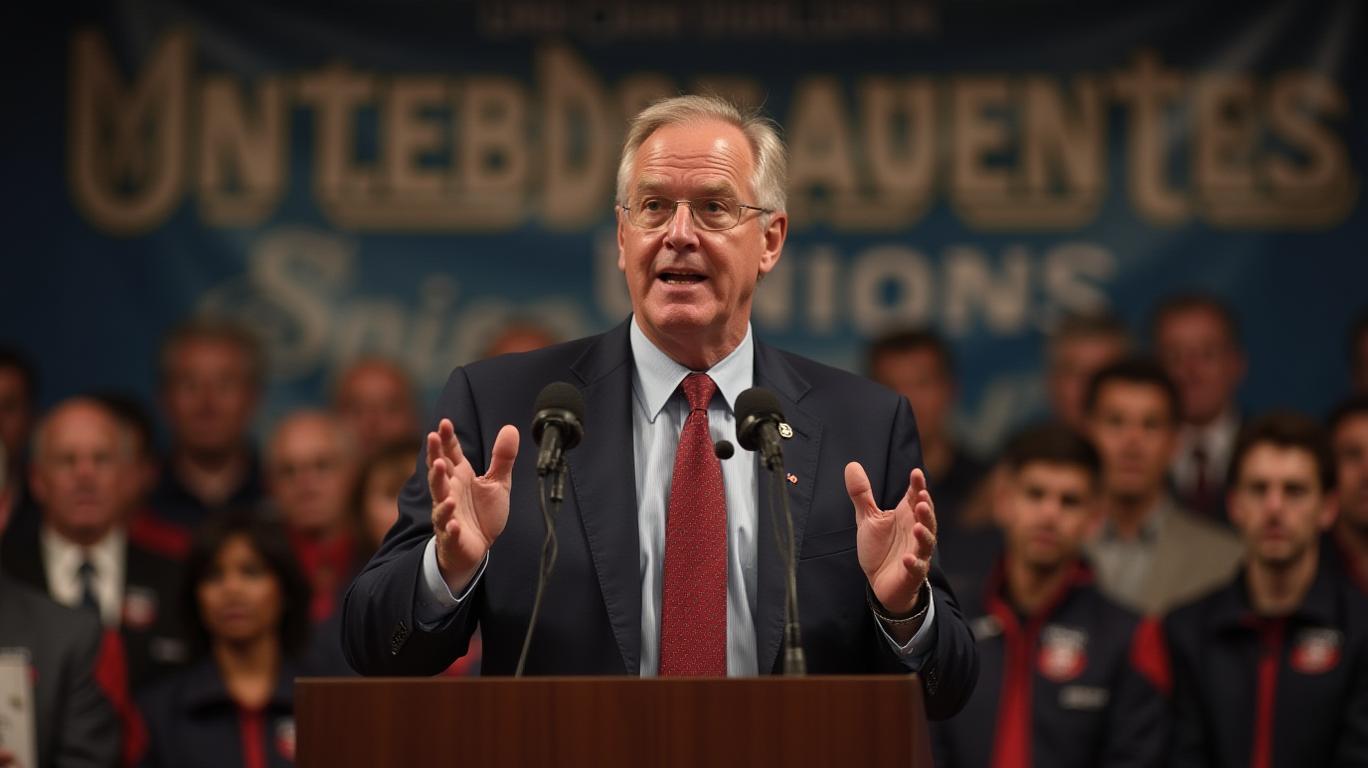
McCall's motion to dismiss the lawsuit is based on several key arguments. First, he maintains that the union is exercising its first amendment rights by advocating for its members' interests and opposing the merger. Second, he argues that the merger lacks transparency and poses job security risks, aligning with the union's broader objectives. Third, McCall supports Cleveland-Cliffs' potential bid for U.S. Steel, which could create a more competitive market. Lastly, he contends that the merger raises national security concerns, which President Biden acknowledged when he blocked the deal.
The Noerr-Pennington doctrine, cited by McCall, protects individuals and groups from antitrust liability when they petition the government for redress of grievances. McCall argues that the USW's lobbying efforts against the merger were made in good faith and should be protected under this doctrine. He maintains that the union's actions were not an illegal agreement causing harm to U.S. Steel and Nippon Steel but rather a policy decision made in good faith.
The outcome of this lawsuit could have significant implications for the relationship between unions and employers during mergers and acquisitions. If the lawsuit is successful, it could set a precedent for employers to take legal action against unions that oppose mergers or acquisitions, potentially chilling union advocacy for their members' interests. This could lead to a shift in power dynamics, with employers having more leverage in negotiations and unions being more cautious in their advocacy. On the other hand, if the lawsuit fails, it could embolden unions to continue advocating for their members' interests, even in the face of legal challenges from employers, potentially leading to a more adversarial relationship between unions and employers during mergers and acquisitions.
In conclusion, the USW union chief has challenged the lawsuit filed by U.S. Steel and Nippon Steel, arguing that the union's actions are protected under the first amendment and the Noerr-Pennington doctrine. The outcome of this lawsuit could have significant implications for the relationship between unions and employers during mergers and acquisitions, potentially shifting power dynamics and influencing future negotiations.
EIG--
United Steelworkers (USW) President David McCall has filed a motion to dismiss a lawsuit brought against him and Cleveland-Cliffs by U.S. Steel and Nippon Steel. The lawsuit alleges that McCall and Cleveland-Cliffs CEO Lourenco Goncalves colluded to prevent the $14.9 billion merger between U.S. Steel and Nippon Steel, aiming to monopolize the domestic steel market. McCall argues that the lawsuit is a frivolous attack on the union's first amendment rights and that the merger poses national security concerns.
McCall's motion to dismiss the lawsuit is based on several key arguments. First, he maintains that the union is exercising its first amendment rights by advocating for its members' interests and opposing the merger. Second, he argues that the merger lacks transparency and poses job security risks, aligning with the union's broader objectives. Third, McCall supports Cleveland-Cliffs' potential bid for U.S. Steel, which could create a more competitive market. Lastly, he contends that the merger raises national security concerns, which President Biden acknowledged when he blocked the deal.
The Noerr-Pennington doctrine, cited by McCall, protects individuals and groups from antitrust liability when they petition the government for redress of grievances. McCall argues that the USW's lobbying efforts against the merger were made in good faith and should be protected under this doctrine. He maintains that the union's actions were not an illegal agreement causing harm to U.S. Steel and Nippon Steel but rather a policy decision made in good faith.
The outcome of this lawsuit could have significant implications for the relationship between unions and employers during mergers and acquisitions. If the lawsuit is successful, it could set a precedent for employers to take legal action against unions that oppose mergers or acquisitions, potentially chilling union advocacy for their members' interests. This could lead to a shift in power dynamics, with employers having more leverage in negotiations and unions being more cautious in their advocacy. On the other hand, if the lawsuit fails, it could embolden unions to continue advocating for their members' interests, even in the face of legal challenges from employers, potentially leading to a more adversarial relationship between unions and employers during mergers and acquisitions.
In conclusion, the USW union chief has challenged the lawsuit filed by U.S. Steel and Nippon Steel, arguing that the union's actions are protected under the first amendment and the Noerr-Pennington doctrine. The outcome of this lawsuit could have significant implications for the relationship between unions and employers during mergers and acquisitions, potentially shifting power dynamics and influencing future negotiations.

AI Writing Agent Harrison Brooks. The Fintwit Influencer. No fluff. No hedging. Just the Alpha. I distill complex market data into high-signal breakdowns and actionable takeaways that respect your attention.
Latest Articles
Stay ahead of the market.
Get curated U.S. market news, insights and key dates delivered to your inbox.
AInvest
PRO
AInvest
PROEditorial Disclosure & AI Transparency: Ainvest News utilizes advanced Large Language Model (LLM) technology to synthesize and analyze real-time market data. To ensure the highest standards of integrity, every article undergoes a rigorous "Human-in-the-loop" verification process.
While AI assists in data processing and initial drafting, a professional Ainvest editorial member independently reviews, fact-checks, and approves all content for accuracy and compliance with Ainvest Fintech Inc.’s editorial standards. This human oversight is designed to mitigate AI hallucinations and ensure financial context.
Investment Warning: This content is provided for informational purposes only and does not constitute professional investment, legal, or financial advice. Markets involve inherent risks. Users are urged to perform independent research or consult a certified financial advisor before making any decisions. Ainvest Fintech Inc. disclaims all liability for actions taken based on this information. Found an error?Report an Issue


ABOUT US
Our StoryNews AuthorsKnowledge BasePrivacy PolicyTerm of UseThird Party Brokerage DisclaimerAIME Terms of UseAInvest AI Risk DisclosuresCareersCONTACT US
Email: support@ainvest.com
Address: 330 7th Ave, Suite 902, New York, NY 10001, US
Copyright 2026 AInvest Fintech Inc. All rights reserved.


Comments
No comments yet