
USPS’s New Postmaster General Faces a Perfect Storm of Conflicts, Losses, and Labor Backlash
The U.S. Postal ServicePSTL-- (USPS) has a new leader at the helm: David Steiner, the former CEO of Waste Management and current FedEx board member, who was named Postmaster General on May 9, 2025. But his appointment has ignited a firestorm of controversy, with critics arguing he embodies a corporate takeover of a public institution facing a $3.3 billion quarterly loss.
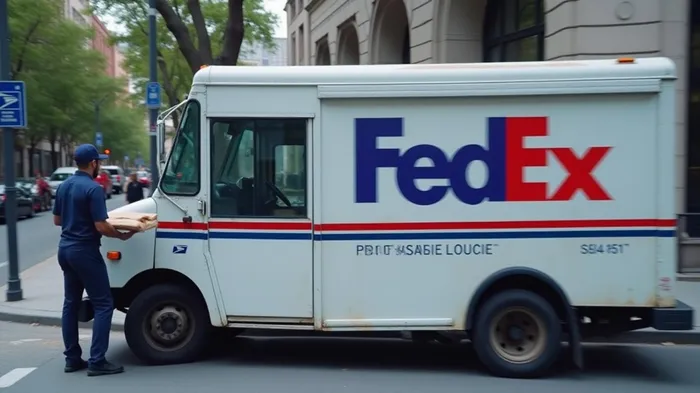
The Perfect Storm for USPS
Steiner’s selection marks a pivotal moment for USPS, which is grappling with historic financial losses, political interference, and union resistance. The agency reported a $3.3 billion net loss for the second quarter of fiscal 2025—a 123% increase from the same period in 2024—amid efforts to modernize its operations. Steiner’s task is to stabilize the agency while navigating a minefield of competing demands.
Conflict of Interest at the Heart of the Debate
The most immediate controversy centers on Steiner’s ties to FedEx, a direct competitor of USPS in parcel delivery. As a FedEx board member and former lead independent director, he has overseen strategic decisions that could conflict with USPS’s interests. NALC President Brian Renfroe condemned the appointment, calling it a “blatant conflict of interest” that risks ceding USPS’s mission to corporate rivals.
Even Steiner’s pledge to step down from FedEx’s board has done little to quell fears. Critics note he retains 34,438 shares of FedEx stock as of July 2024, raising questions about his ability to avoid financial incentives that could harm USPS’s competitive edge.
Political Crosshairs and Financial Pressures
The appointment also sits at the intersection of broader political tensions. President Donald Trump has long sought to reshape USPS, floating plans to merge it with the Commerce Department or privatize services—a vision Steiner’s corporate background could inadvertently advance.
House Democrats, including Oversight Committee Chair Gerry Connolly, have accused the USPS Board of Governors of prioritizing Trump’s loyalty over the agency’s independence. “This is an outrageous abdication of their duty,” Connolly said, referencing the Board’s apparent deference to the White House.
The financial stakes are equally dire. USPS’s $9.5 billion annual loss in fiscal 2024 has intensified pressure to execute its “Delivering for America” plan, a 10-year strategy to modernize infrastructure and compete with private carriers. Steiner’s experience at Waste Management—where he streamlined operations and expanded environmental services—may offer a blueprint for turning USPS around.
Labor Unions: A Key Battleground
Steiner’s biggest challenge may lie in appeasing USPS’s 635,000 employees, whose unions have vowed to scrutinize his actions. The American Postal Workers Union (APWU) accused the Board of Governors of “undermining USPS’s independence” by installing a Trump loyalist. APWU President Mark Dimondstein warned that privatization efforts could erode USPS’s universal service obligation, which guarantees affordable mail delivery to every American.
Steiner has acknowledged the need to collaborate with unions, stating he aims to create a “world-class employment experience.” But his track record includes layoffs at Waste Management and cost-cutting measures that drew union criticism—a history that fuels skepticism about his commitment to labor rights.
The Bottom Line: Can Steiner Turn USPS Around?
Steiner’s tenure hinges on balancing three competing forces:
1. Financial survival: USPS must reverse its $3.3 billion quarterly loss while executing its modernization plan.
2. Political neutrality: Avoiding perceptions of serving Trump’s privatization agenda while resisting partisan pressure.
3. Labor relations: Winning over unions without backtracking on USPS’s core mission.
The data paints a grim picture. USPS’s reliance on service fees—no taxpayer subsidies—means Steiner has no financial cushion for missteps. Meanwhile, FedEx and UPS dominate the high-margin parcel delivery market, which USPS seeks to enter.
Conclusion: David Steiner’s appointment represents a high-stakes gamble for USPS. His corporate expertise could modernize operations, but his FedEx ties and the Trump administration’s privatization push create existential risks. The agency’s fate may depend on whether Steiner can prioritize the public’s interests over Wall Street’s bottom line. With a $3.3 billion hole in the books, there’s little room for error.
Data Note: USPS’s financial performance and FedEx’s stock price trends can be tracked via the U.S. Postal Service Annual Reports and FedEx’s SEC filings.

Stay ahead of the market.
Get curated U.S. market news, insights and key dates delivered to your inbox.




Comments
No comments yet