
USPS Delivery Disruptions: What Retail Investors Need to Know
 Aime Summary
The United States Postal Service has issued service alerts for over 30 states due to a severe winter storm affecting mail and package delivery. The storm is bringing heavy snow, ice, and high winds, which could disrupt postal operations and cause delays in deliveries for both residential and commercial customers. USPS is monitoring the situation and adjusting operations to minimize disruption, but consumers and businesses are encouraged to check service alerts for real-time updates. Winter weather is impacting not only USPS but also companies like AmazonAMZN--, which has also warned of possible delays due to transportation and processing challenges. To help ensure postal worker safety, residents are being asked to clear snow from mailboxes and walkways, particularly in high-snowfall regions like Oklahoma City and Upstate New York.
With a severe winter storm blanketing a large portion of the U.S., postal services face unprecedented challenges. The United States Postal Service (USPS) has issued alerts for 30 states, flagging disruptions to mail and package delivery. While the storm's impacts are primarily logistical, retail investors and small business owners should recognize how these weather events can affect e-commerce and consumer spending.
Is USPS Delivering Today: What Retail Investors Should Know
USPS is operating under a storm-specific contingency plan. While carriers continue to work in cold weather, they may adjust routes or delay deliveries if conditions become unsafe. The Postal Service encourages customers to check its service alert page for real-time updates. In areas like Oklahoma City, , both USPS and Amazon are experiencing delivery delays due to road closures and transportation disruptions according to local reports.
For small businesses relying on timely delivery of goods and customer orders, these delays could translate into revenue loss or customer dissatisfaction. Investors should keep an eye on how these weather disruptions affect the logistics sector and consumer behavior. While USPS remains a public service, private logistics companies may also face rising costs and operational hiccups, potentially influencing their quarterly earnings reports.
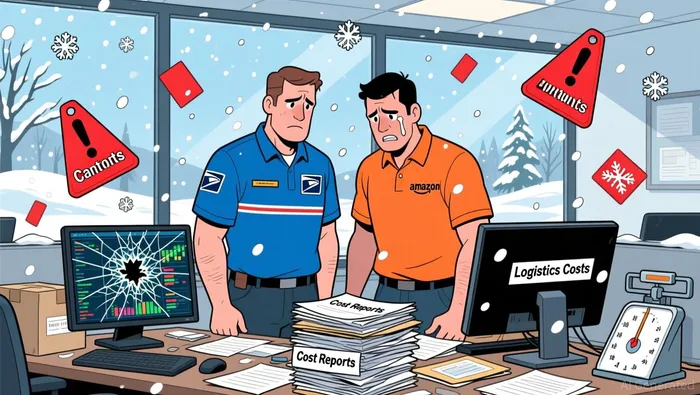
How Does Winter Weather Impact USPS Operations
Winter storms bring more than just inconvenience—they bring significant logistical challenges for a nationwide mail service. The USPS has issued multiple service alerts to inform consumers and businesses of potential delays caused by severe weather. These alerts are not just a precaution; they reflect the operational realities of managing mail delivery under extreme conditions. Heavy snow, ice, and high winds can lead to road closures, vehicle breakdowns, and even extended power outages that disrupt processing centers as reported by local news.
To mitigate these effects, USPS often deploys additional support staff and adjusts schedules to maintain delivery efficiency while prioritizing carrier safety. For instance, postal carriers in Upstate New York are being asked to clear snow from mailboxes and sidewalks to prevent injuries according to a local weather report. These adjustments may help reduce delays, but they also highlight the broader vulnerability of the postal system to weather-related disruptions.
What Retail Investors Should Watch
For investors, the key takeaway is that weather-related disruptions like the current storm are not isolated events. They are recurring and can have a cumulative effect on consumer expectations, business operations, and even public sentiment toward government-run services. While USPS may absorb some of these costs internally, private delivery companies like Amazon, FedEx, and UPSUPS-- can see their operations and stock performance affected by similar weather events as detailed in recent coverage.
Additionally, USPS's ability to navigate these disruptions could influence future funding and policy decisions. If service reliability continues to face challenges, there may be greater public and political pressure for infrastructure upgrades or operational reforms. This could open new investment opportunities or highlight potential risks in the logistics and e-commerce sectors.
Retail investors should also consider how small businesses are adapting to these disruptions. Many are turning to digital tools and alternative delivery methods to mitigate the impact of postal delays. This shift could accelerate investment in last-mile delivery technologies or logistics software solutions. In short, while the immediate effects of a single winter storm may be limited, the broader implications for the U.S. logistics system could be significant over time.
What happens next will depend on the storm's duration and the USPS's response. For now, the message is clear: while USPS is doing its best to maintain service, retail investors and small business owners should plan for possible delays and consider alternative strategies to mitigate risk.

Stay ahead of the market.
Get curated U.S. market news, insights and key dates delivered to your inbox.


AInvest
PRO
AInvest
PRO



Comments
No comments yet