
USDA Funding Freeze Threatens Climate-Resilient Farming
Deforestation is a pressing global issue, with significant areas of forest being lost every minute in countries like Brazil, Colombia, Nicaragua, and Laos. This loss leads to severe consequences such as habitat destruction, displacement of indigenous communities, soil erosion, and disruptions in the water cycle. Forests, often referred to as the "lungs of the planet," play a crucial role in absorbing carbon dioxide, and their loss accelerates global warming and intensifies natural disasters. Deforestation is driven by various factors, including fires, agricultureANSC--, mining, and policy decisions. In response, over 100 nations pledged at COP26 in 2021 to end deforestation by 2030.
As part of this global effort, the EU is introducing the EU Deforestation Regulation (EUDR), which will be fully effective by 2026. This regulation bans the trade of products linked to deforestation, covering commodities such as soy, palm oil, wood, cocoa, coffee, cattle, and rubber. This means that every product derived from these commodities, such as coffee scrubs, chocolate cake, wooden furniture, or beef, must have a certificate proving it was produced without harming forests. The responsibility for compliance extends across the entire supply chain, from farmers to supermarkets.
Dimitra, a pioneering agtech company, is at the forefront of sustainable agriculture by utilizing advanced technologies like satellite imagery, artificial intelligence, and blockchain. These tools are essential for tracking deforestation risks and securing the necessary certifications, making compliance more manageable for farmers. This approach not only enhances environmental sustainability but also ensures that agricultural practices are efficient and responsible.
The future of sustainable agriculture is being shaped by innovative technologies such as water-saving tech, hydrogel solutions, and climate-smart farming. These advancements are expected to play a crucial role in 2025, driving the transition towards more environmentally friendly and economically viable farming practices. By integrating these technologies, farmers can produce food in a way that is sustainable and socially responsible, addressing current challenges and preparing for future demands.
For agriculture to fully transition to a sustainable model, collaboration between governments and farmers is essential. Exploring similar incentives can drive innovation and ensure that sustainable practices are widely adopted. This collaborative effort is crucial for addressing the environmental impact of agriculture and promoting long-term sustainability.
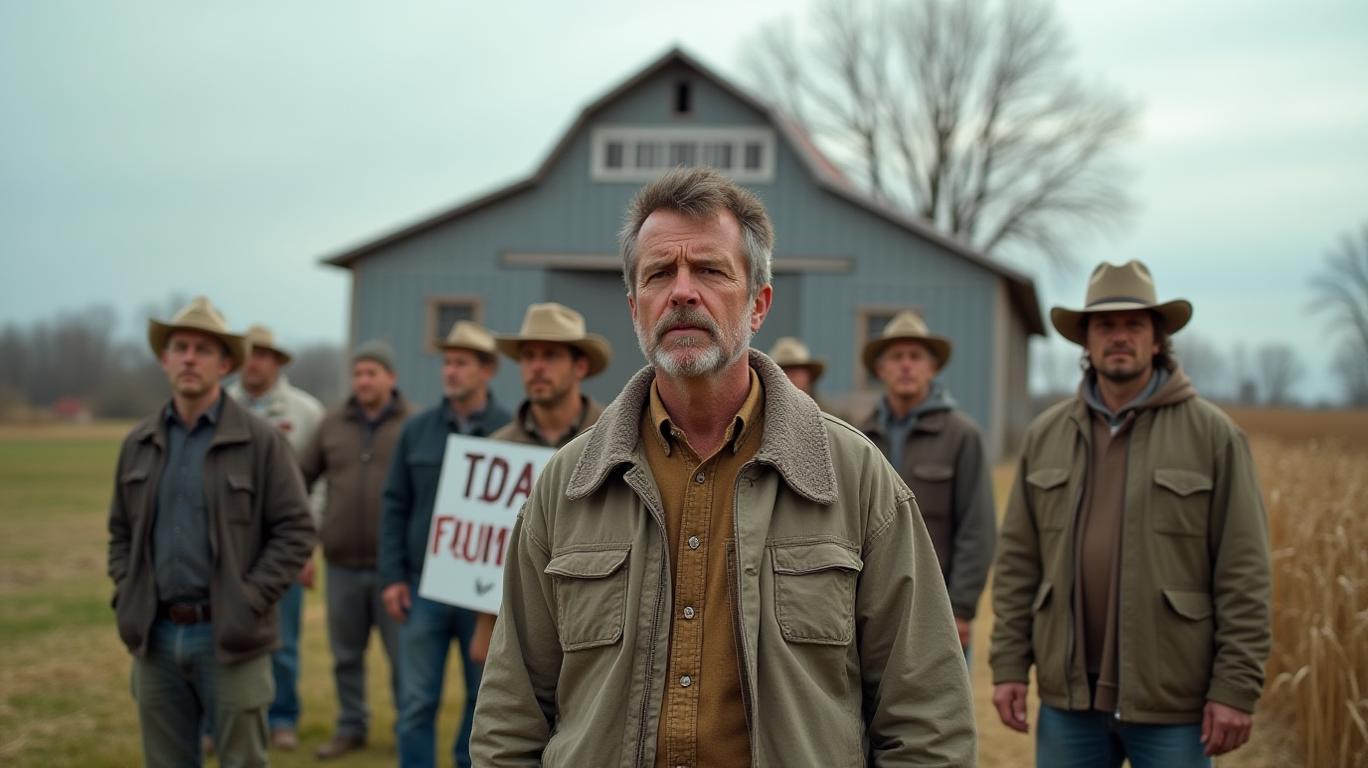
Farmers play a pivotal role in addressing climate change, and agricultural land holds significant potential for environmental recovery. However, the recent freezing of billions of dollars in USDA funding earmarked for climate-resilient practices has posed a critical setback. Programs like the Inflation Reduction Act (IRA)-funded Rural Energy for America Program (REAP) and the Partnerships for Climate-Smart Commodities (PCSC) were designed to enhance research on drought-resistant crops, incentivize soil health practices, and promote renewable energy development. The uncertainty surrounding these funds adds economic pressure to an already challenged sector and hinders the transition to regenerative agriculture.
Despite these challenges, there are compelling reasons to continue investing in sustainable farming. The U.S. has 880 million acres of farmland, accounting for roughly 39% of the nation’s total land area. Unsustainable agricultural practices contribute to land degradation, including deforestation, overgrazing, and excessive fertilizer use, which lead to soil erosion and fertility loss. Transitioning to more sustainable methods is essential to ensure a food-secure future and mitigate the estimated 12% decline in agricultural productivity by 2050.
Soil has immense potential to capture greenhouse gases, making it an ideal focus for investment and research. Supporting regenerative farming, small to medium-sized sustainable farms, and educating the next generation of farmers on responsible growing practices can lead to immediate and long-lasting benefits in both environmental resilience and food security. Federal programs and funding designed for climate-resilient farming practices have proven effective in helping farms transition to more sustainable practices, largely through research and development initiatives.
The role of farmers in combating climate change is crucial. By adopting innovative and regenerative practices, the agricultural sector can heal the planet while ensuring food security for future generations. However, the recent freezing and termination of essential USDA funding jeopardize this progress, putting additional strain on an already vulnerable industry. It is imperative to advocate for the restoration and enhancement of federal programs that promote climate-resilient practices, enabling farmers to continue their vital work in sustainability. Investing in our agricultural future is not just a necessity for environmental health; it is a crucial step towards a resilient economy and a secure food system. Together, we can support our farmers in transforming our landscapes and creating a sustainable future for all.

Stay ahead of the market.
Get curated U.S. market news, insights and key dates delivered to your inbox.


AInvest
PRO
AInvest
PRO



Comments
No comments yet