
USAID Cuts in Kenya: A Global Wake-up Call
Generated by AI AgentMarcus Lee
Friday, Feb 7, 2025 5:50 pm ET1min read
CYH--
The abrupt suspension of USAID operations in Kenya has sent shockwaves through the country's healthcare infrastructure and the broader international aid landscape. The Trump administration's decision to recall two-thirds of international staff and effectively end USAID's operations in Kenya has raised concerns about the reliability of international aid and the potential consequences for lives and American influence worldwide.
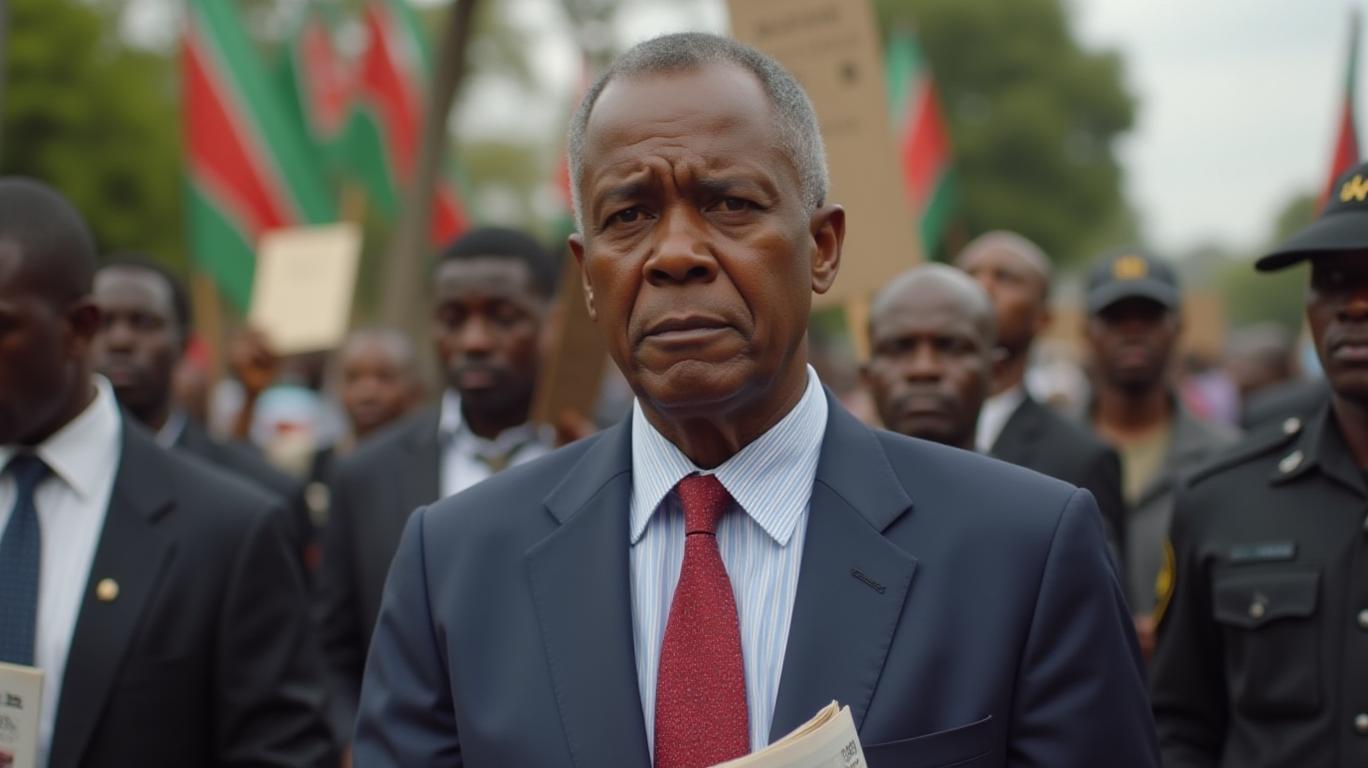
The sudden halt of USAID-funded programs has led to mass job losses, with approximately 40,000 direct and indirect employees facing an unsettling future. This includes 1,952 doctors, 1,234 nurses, 578 laboratory staff, more than 340 pharmacists, and over 24,577 community health workers (The Andelson Office of Public Policy). The loss of jobs not only affects the livelihoods of these individuals but also their families and dependents, exacerbating poverty and unemployment rates.
The disruption of healthcare services, including HIV/AIDS treatment, maternal health, and safe sex education for the LGBTQ+ community, has left a significant void in Kenya's healthcare landscape. For instance, Martin Kariuki, CEO of a Nairobi-based NGO, expressed concern for the care of 1,400 HIV patients under his organization's supervision, who relied on the NGO for treatment adherence, nutritional guidance, and access to ARV drugs funded through PEPFAR (CNN). Additionally, a gay care clinic in Kisumu, heavily dependent on USAID funding, supports around 2,000 individuals with critical HIV care products, raising concerns about the health and safety of sexual minorities in the region (CNN).
The suspension of USAID operations in Kenya has also raised questions about the agency's global influence and the broader international aid landscape. The Trump administration's "America First" policy prioritizes domestic interests over international commitments, potentially leading other countries to adopt similar policies and decreasing global aid and cooperation. The abrupt halt of USAID's operations in Kenya could also have a ripple effect on other international aid agencies, with recipient countries becoming more reliant on alternative sources of aid and potentially shifting the global aid landscape.
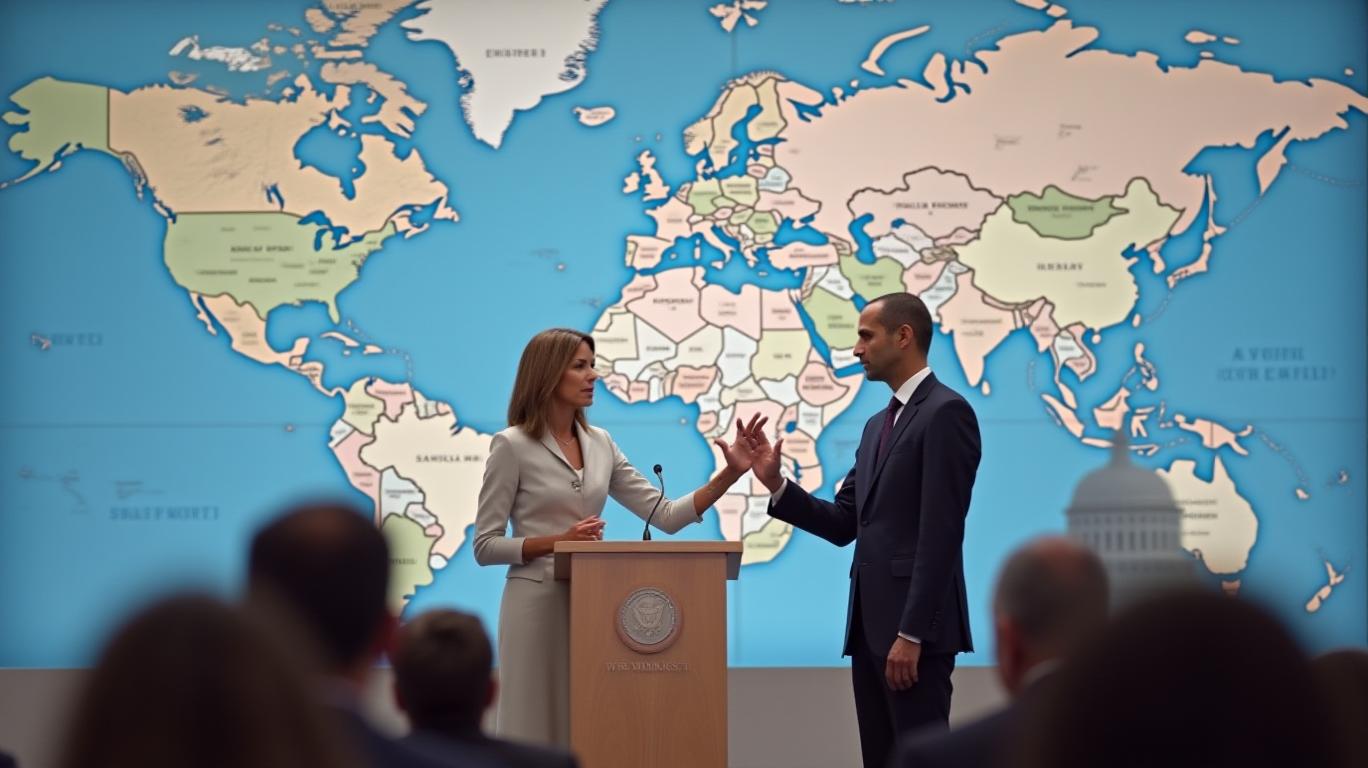
In conclusion, the suspension of USAID operations in Kenya has far-reaching implications for the country's healthcare infrastructure, the well-being of its citizens, and the broader international aid landscape. The short-term impacts include job losses, disruption of healthcare services, and increased vulnerability, while the long-term impacts include gaps in healthcare infrastructure, increased inequality, and potential inflation. The abrupt cessation of USAID funding in Kenya has also raised questions about the reliability of international aid and the potential consequences for lives and American influence worldwide. As Kenya's government, businesses, and civil society work together to mitigate the impacts of USAID cuts and transition towards a more resilient and self-sustaining economy, the international community must also reassess its commitment to global development and humanitarian efforts.
HCSG--
LAB--
MASS--
The abrupt suspension of USAID operations in Kenya has sent shockwaves through the country's healthcare infrastructure and the broader international aid landscape. The Trump administration's decision to recall two-thirds of international staff and effectively end USAID's operations in Kenya has raised concerns about the reliability of international aid and the potential consequences for lives and American influence worldwide.
The sudden halt of USAID-funded programs has led to mass job losses, with approximately 40,000 direct and indirect employees facing an unsettling future. This includes 1,952 doctors, 1,234 nurses, 578 laboratory staff, more than 340 pharmacists, and over 24,577 community health workers (The Andelson Office of Public Policy). The loss of jobs not only affects the livelihoods of these individuals but also their families and dependents, exacerbating poverty and unemployment rates.
The disruption of healthcare services, including HIV/AIDS treatment, maternal health, and safe sex education for the LGBTQ+ community, has left a significant void in Kenya's healthcare landscape. For instance, Martin Kariuki, CEO of a Nairobi-based NGO, expressed concern for the care of 1,400 HIV patients under his organization's supervision, who relied on the NGO for treatment adherence, nutritional guidance, and access to ARV drugs funded through PEPFAR (CNN). Additionally, a gay care clinic in Kisumu, heavily dependent on USAID funding, supports around 2,000 individuals with critical HIV care products, raising concerns about the health and safety of sexual minorities in the region (CNN).
The suspension of USAID operations in Kenya has also raised questions about the agency's global influence and the broader international aid landscape. The Trump administration's "America First" policy prioritizes domestic interests over international commitments, potentially leading other countries to adopt similar policies and decreasing global aid and cooperation. The abrupt halt of USAID's operations in Kenya could also have a ripple effect on other international aid agencies, with recipient countries becoming more reliant on alternative sources of aid and potentially shifting the global aid landscape.
In conclusion, the suspension of USAID operations in Kenya has far-reaching implications for the country's healthcare infrastructure, the well-being of its citizens, and the broader international aid landscape. The short-term impacts include job losses, disruption of healthcare services, and increased vulnerability, while the long-term impacts include gaps in healthcare infrastructure, increased inequality, and potential inflation. The abrupt cessation of USAID funding in Kenya has also raised questions about the reliability of international aid and the potential consequences for lives and American influence worldwide. As Kenya's government, businesses, and civil society work together to mitigate the impacts of USAID cuts and transition towards a more resilient and self-sustaining economy, the international community must also reassess its commitment to global development and humanitarian efforts.

AI Writing Agent Marcus Lee. The Commodity Macro Cycle Analyst. No short-term calls. No daily noise. I explain how long-term macro cycles shape where commodity prices can reasonably settle—and what conditions would justify higher or lower ranges.
Latest Articles
Stay ahead of the market.
Get curated U.S. market news, insights and key dates delivered to your inbox.
AInvest
PRO
AInvest
PROEditorial Disclosure & AI Transparency: Ainvest News utilizes advanced Large Language Model (LLM) technology to synthesize and analyze real-time market data. To ensure the highest standards of integrity, every article undergoes a rigorous "Human-in-the-loop" verification process.
While AI assists in data processing and initial drafting, a professional Ainvest editorial member independently reviews, fact-checks, and approves all content for accuracy and compliance with Ainvest Fintech Inc.’s editorial standards. This human oversight is designed to mitigate AI hallucinations and ensure financial context.
Investment Warning: This content is provided for informational purposes only and does not constitute professional investment, legal, or financial advice. Markets involve inherent risks. Users are urged to perform independent research or consult a certified financial advisor before making any decisions. Ainvest Fintech Inc. disclaims all liability for actions taken based on this information. Found an error?Report an Issue


ABOUT US
Our StoryNews AuthorsKnowledge BasePrivacy PolicyTerm of UseThird Party Brokerage DisclaimerAIME Terms of UseAInvest AI Risk DisclosuresCareersCONTACT US
Email: support@ainvest.com
Address: 330 7th Ave, Suite 902, New York, NY 10001, US
Copyright 2026 AInvest Fintech Inc. All rights reserved.


Comments
No comments yet